
Brent crude futures exceeded $100 per barrel after attacks on oil tankers in the Persian Gulf, while Saudi Arabia's August production data showed the scale of supply pressure behind the market's response. The kingdom reported crude output of 6.238 million barrels per day in August 2026, its lowest level since 1990.
The figure, reported to the Organization of the Petroleum Exporting Countries, or OPEC, was down 1.9 million bpd from the previous month. Saudi crude exports fell to approximately 3.2 million barrels per day, their lowest level in 13 years and a decline of about a third in August.
The International Energy Agency put Saudi crude supply even lower, at six million barrels per day in August. It said the decline, the lowest Saudi supply level in more than three decades, followed attacks on Saudi energy facilities.
Houthi attacks on Saudi Arabia set fires at oil facilities and wounded 73 people. The brief does not specify when the attacks took place, where the facilities were located or the extent of the damage.
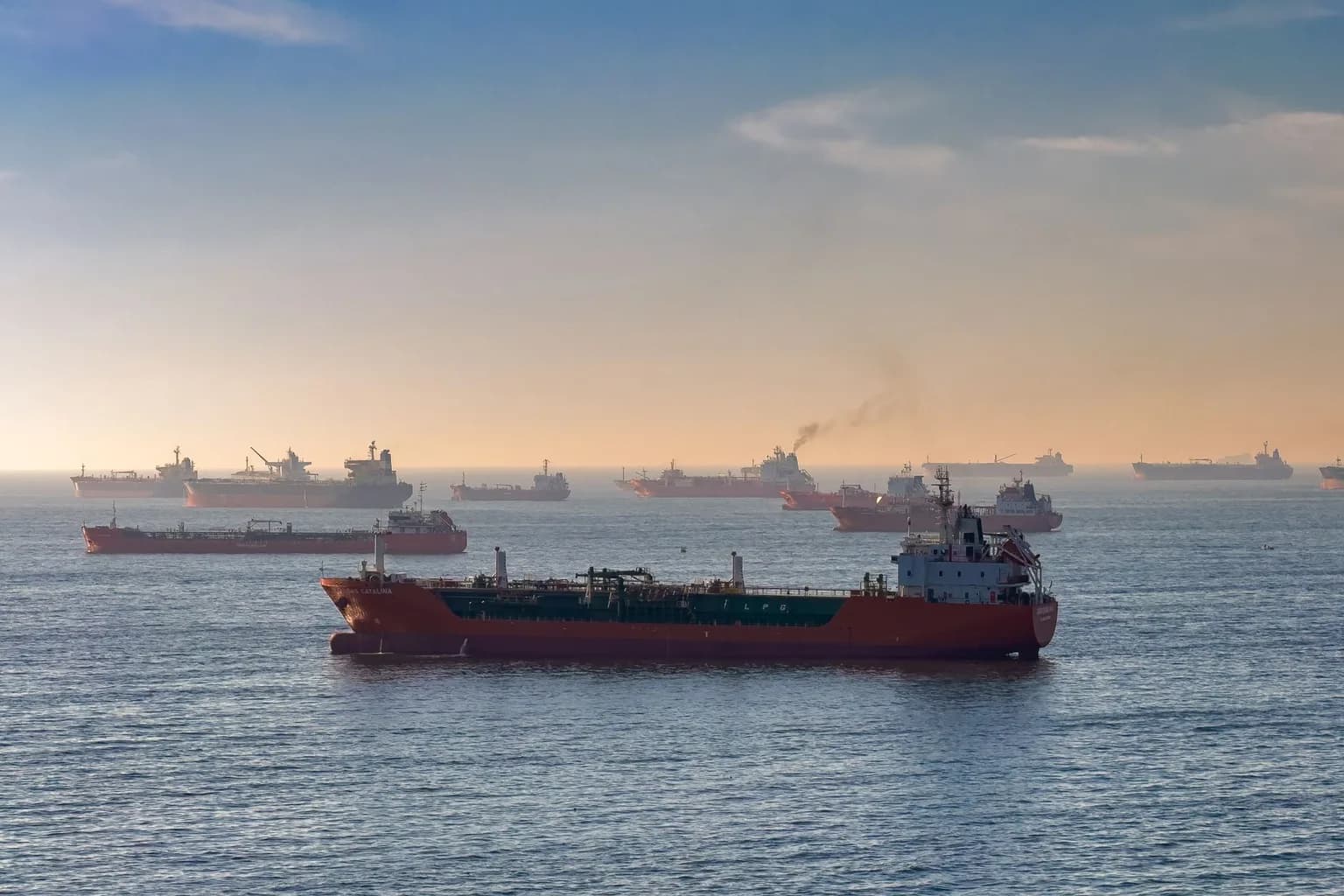
Disruption at the region's maritime chokepoints has added to the pressure on Saudi exports. In July, Yemen's Iran-backed Houthi rebels declared a maritime blockade of Saudi Arabia. They targeted ships and disrupted traffic through the Red Sea and the Bab el-Mandeb Strait.
The Islamic Revolutionary Guard Corps also began attacking ships in the Strait of Hormuz in retaliation following US and Israeli strikes on Iran. Tanker traffic has fallen sharply since February 28, after the US and Israel started striking Iran. The Strait of Hormuz typically carries roughly a fifth of the world's oil supply.
Saudi Arabia has diverted much of its crude through its East-West Pipeline to its Red Sea port of Yanbu, seeking to avoid disruption in the Strait of Hormuz. Disrupted export routes have also forced the kingdom to use its own storage tanks.
There is a difference between the production data and Saudi Arabia's reported supply to the market. Saudi Arabia reported market supply of 7.122 million barrels per day in August, leaving a gap of nearly 900,000 bpd between reported supply and actual production. The International Energy Agency's August assessment is also lower than Saudi Arabia's report to OPEC.
The August fall was the second time in 2026 that Saudi Arabia set a multi-decade production low. In April 2026, production fell to 6.316 million barrels per day, then a 36-year low. That represented a decline of 651,000 barrels per day from March.
Saudi Arabia had been exporting well above 7 million barrels per day as recently as a few years ago. The August figures show how attacks on facilities and shipping routes have constrained the country's ability to move crude, even as it redirects flows through Yanbu. The brief gives no indication of whether production or exports have since recovered, or whether the maritime disruptions have been resolved.




Comments (0)