
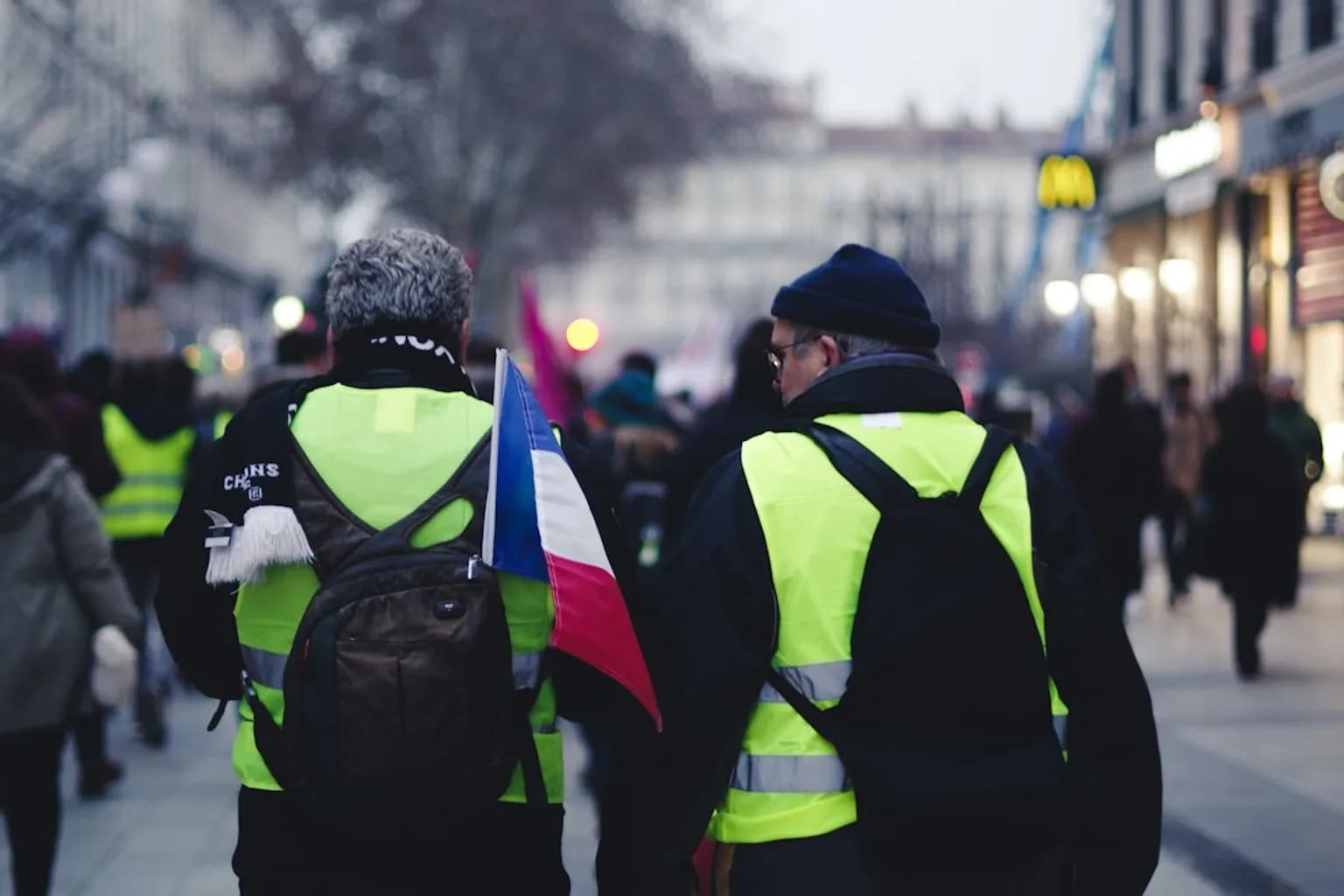
The statue of Marianne at Place de la République wore a yellow vest as tens of thousands of people marched through eastern and northern Paris on Saturday, 17 October 2026. The main march was largely peaceful during the afternoon, even as a heavy police presence surrounded the square and tension built from 2pm onwards (12:00 GMT).
For Kamil Alahyan, an 18-year-old high school student, the demonstration brought together grievances extending from the 2027 elections and politicians he accused of lying to the wealth accumulated by the ultra-rich over the past 10 years. Agnes, a 50-year-old actor, said France had faced problems involving climate, the economy and equality for years, while the government had failed to act.
Jean Pierre of the French Human Rights League described young people worried about their future and failing schools, Yellow Vest supporters struggling with rapidly rising living costs, and wider anxieties over the geopolitical situation.
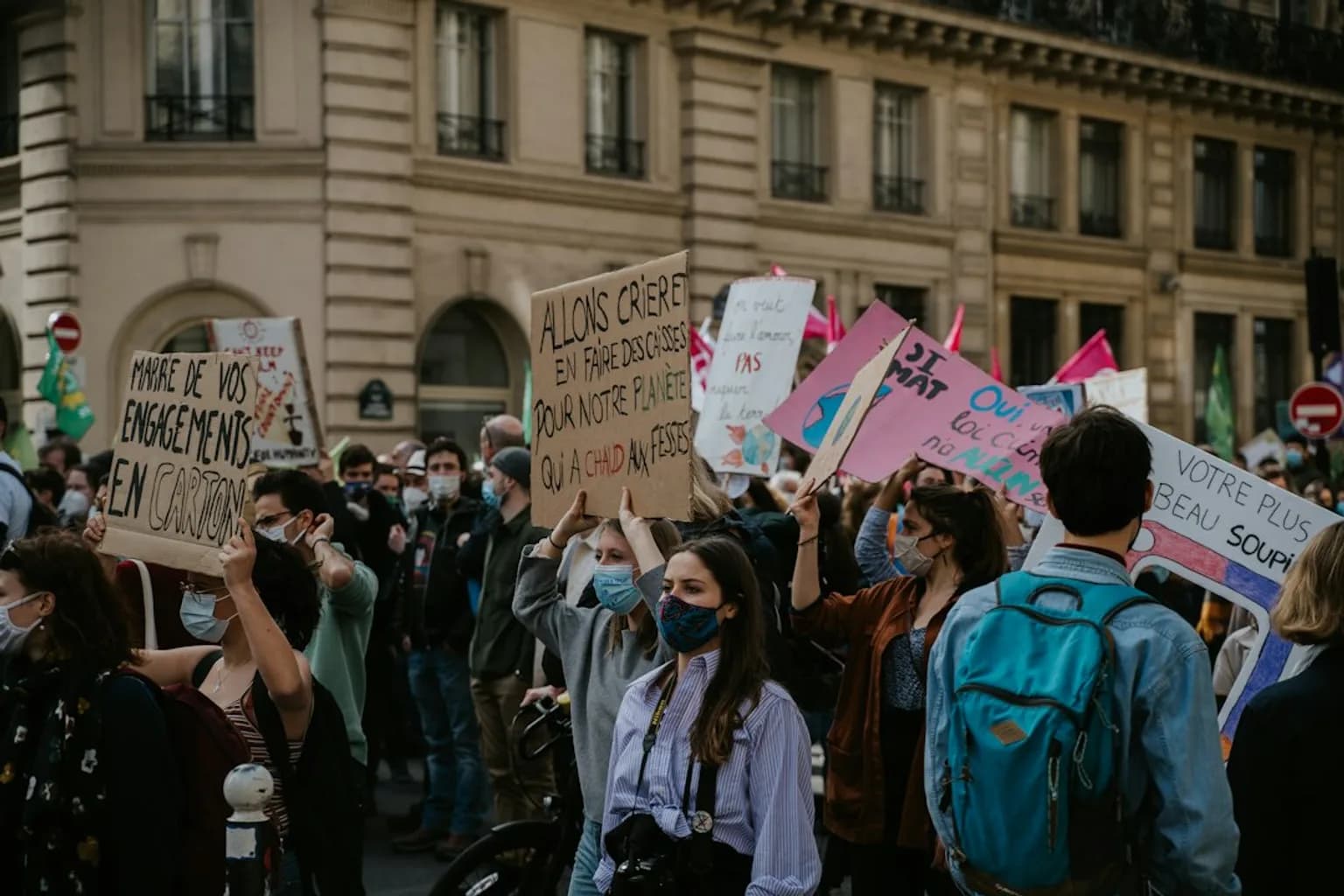
The protests followed more than a month of student action over staff shortages and dilapidated facilities in lycées, France’s secondary schools for 15- to 18-year-olds. The Yellow Vest movement called for the “yellow and youth” demonstrations, while the CGT union backed the protests.
Advertisement
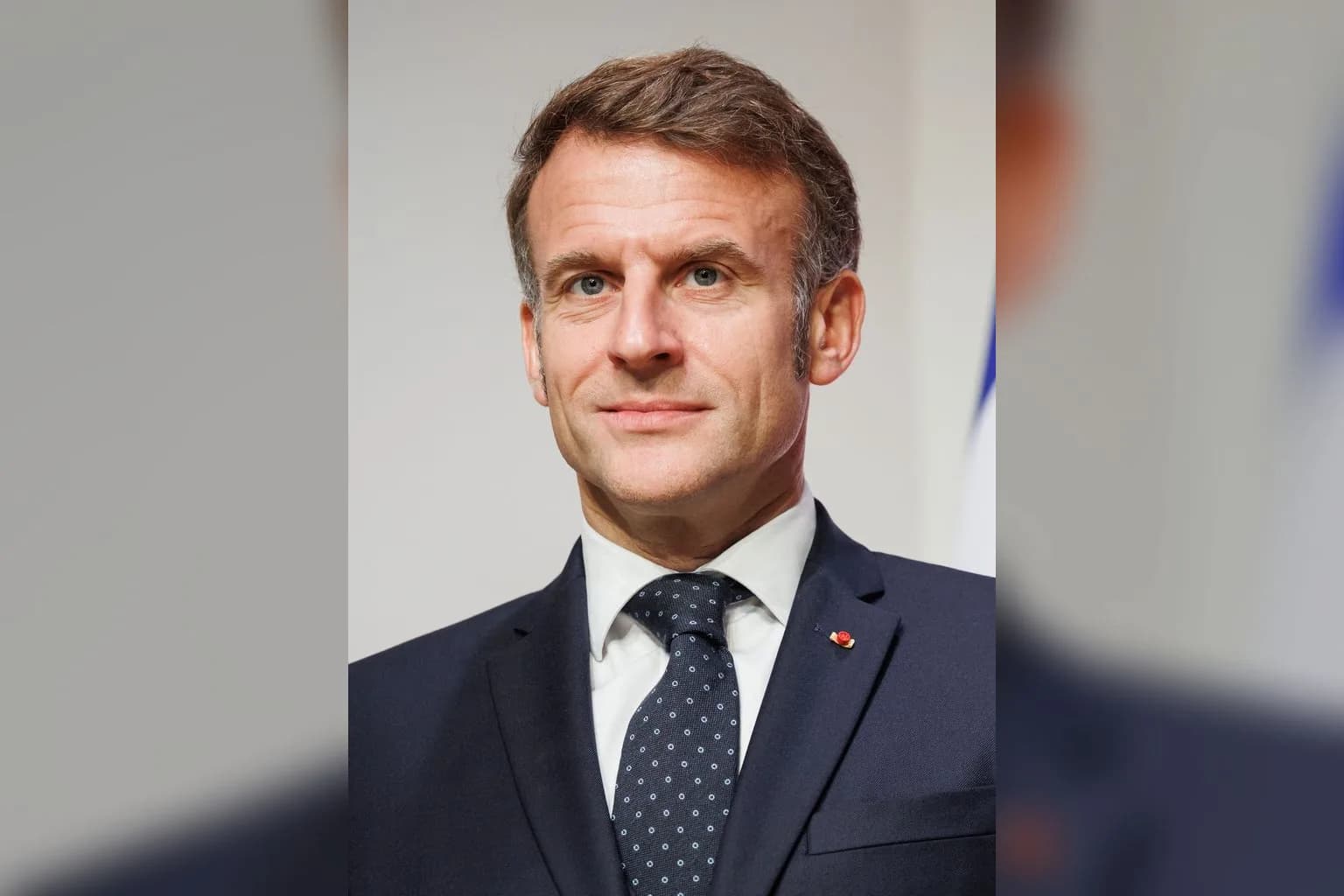
Authorities estimated that 550,000 people demonstrated across France on Saturday, including 110,000 in Paris. The demonstrations were led by students demanding education reforms and came before elections to replace President Emmanuel Macron.
Many demonstrators complained that the war in the Middle East had pushed inflation above three percent. In Paris, protesters shouted “Everyone hates the police” and “Macron, resign”.
A march towards Place de Clichy began extremely early. Police then tried to prevent protesters reaching Place de la République, using tear gas. At noon, people ran wearing masks as officers used stun grenades and launched tear-gas canisters.
Riot squads later used tear gas and water cannon against hundreds confronting them at several points in Paris. Authorities had banned protests around government buildings, the Champs-Elysees shopping avenue and train stations.
As the day went on, some groups lit street fires and torched vehicles, including at Place de la République. Riot police charged one crowd in central Paris and struck several people with batons.
The violence spread beyond the capital. Masked youths set Lyon’s tourism office on fire, an act the city’s mayor, Grégory Doucet, called “a tragedy.”
In Limoges, flames engulfed the 19th-century City Hall and its roof collapsed. Protesters in Marseille entered the town hall, overturned a bust and smashed furniture before police forced them out.
In Lille, protesters forced their way into the mayor’s office and vandalised it, while an Apple store was broken into and emptied. Parked cars were set alight and protesters broke windows at the western Paris offices of broadcasters CNews and Europe 1.
Clashes continued into the evening in Paris. Prime Minister Sébastien Lecornu said 150 police officers were injured during the unrest.
At least 1,800 people were arrested across France after violent groups clashed with officers and looted shops. Police said more than 130 of those arrests were in Paris.
On Sunday afternoon, Macron met senior government officials in an emergency meeting before addressing the nation. “Those who looted will have to pay back for the damage, and those who sought to bring down the Republic will be held accountable,” he said.
The president described “unrestrained violence” by “insurrectionist elements from radical far-left groups, joined by numerous criminals.”
Advertisement

Comments (0)