
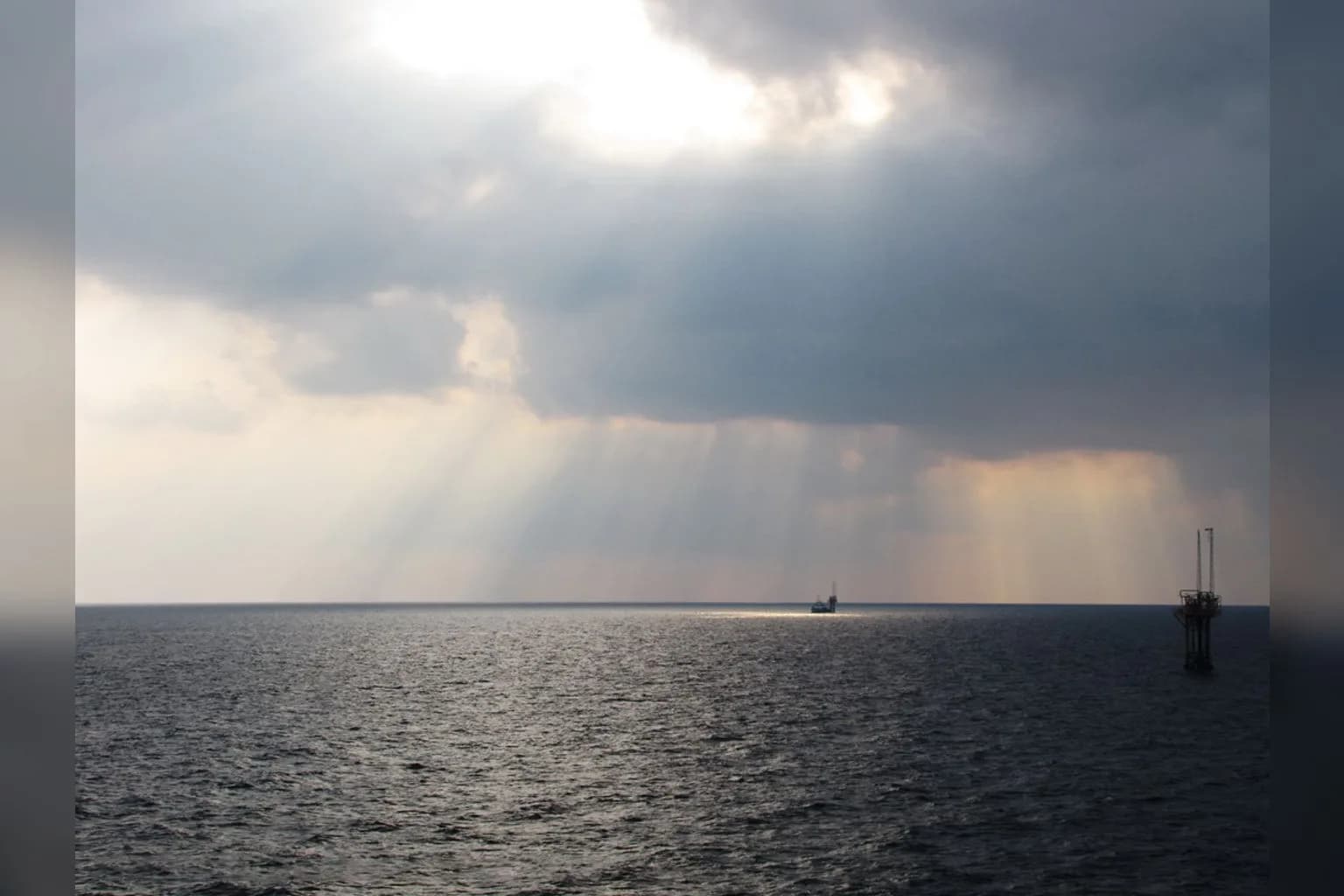
In Bangkok, Jihad Azour, director of the International Monetary Fund’s Middle East and Central Asia Department, told the fund’s annual meetings with the World Bank that the war had “left deep scars across various industries and destroyed major infrastructure.”
The region’s oil producers initially prevented an energy crisis by drawing on financial reserves and pre-war oil stockpiles, while finding alternative transport routes. Those cushions are now running down. “Stockpiled reserves have dwindled, and spare production capacity has become tight,” Azour said.
The conflict began with US and Israeli strikes on Iran, followed by Iran’s blockade of the Strait of Hormuz. It has since spread to Saudi Arabia and Yemen. Maritime energy traffic has been affected, and threats to liquefied natural gas shipping through the strait have restricted gas supplies.
The meetings brought IMF and World Bank officials together to assess global economic risks. Their discussions also covered persistently high energy costs and questions over whether the artificial intelligence boom can last.
Advertisement
Saudi Arabia is projected to see its economic growth rate shrink to -3.3% this year. The IMF’s forecasts, released on 13 October, put the contraction for the wider Middle East and Central Asia region at 0.3% this year. Its Middle East, North Africa, and Pakistan region is forecast to move from 3.3% growth last year to a contraction of 1.3% this year.
A 6.6% rebound is expected next year, provided trade and maritime transport normalise in the first quarter and exports recover during the first half. Even then, the IMF said countries’ greater spending to prepare for future crises means they will not return to pre-war growth trends anytime soon.
Oil prices remain at US$100 a barrel. Impaired refining capacity is adding another $100 in “crack-spread” margins per barrel for key products, including diesel. Brent crude oil futures point to high prices through 2027.
Kristalina Georgieva, the IMF’s managing director, said successive attacks targeting Saudi Arabia could “deal a blow to everyone around the world.” She added: “Even if the war in the Gulf were to end soon, the problem of high energy prices will likely persist for some time.”
The immediate question is whether the region can avoid further damage while its financial and energy buffers are depleted. Azour said: “If further problems arise in energy production, shipping routes, or core facilities, oil prices could fluctuate much more violently, and there is a high risk that the economy could deteriorate further than expected.”
He urged governments in the Middle East to “make price stability the top priority, rebuild depleted fiscal buffers, and build resilience to withstand potential future crises.” The IMF has warned that oil-producing countries will struggle to return their economies to pre-war levels for some time.
Advertisement


Comments (0)