
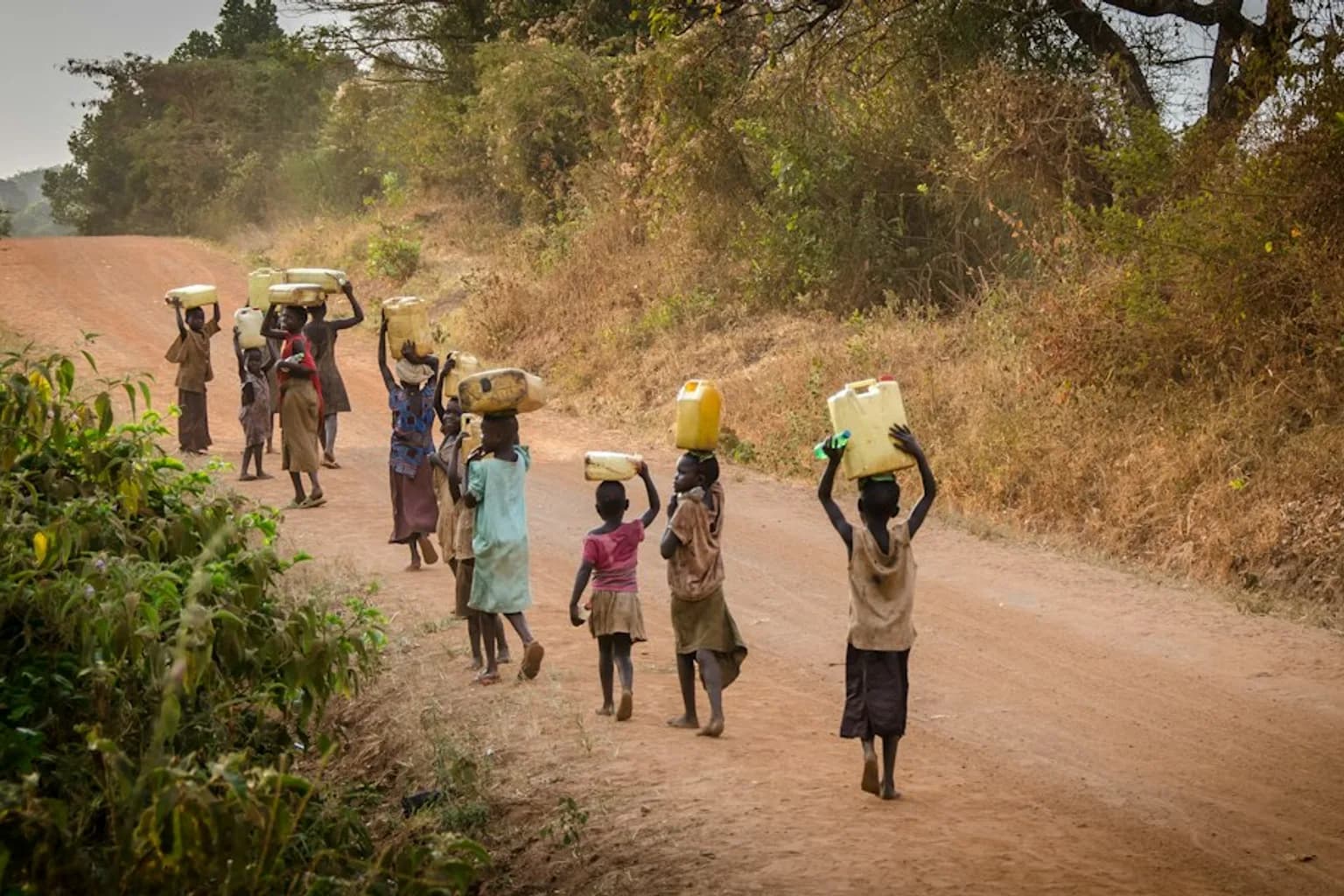
WHO Director-General Tedros Adhanom Ghebreyesus has called the Eastern Mediterranean region “the epicenter of global humanitarian needs.”
The region spans parts of Africa, Asia and Europe, covering 22 countries and territories. More than 117 million people in the occupied Palestinian territories, Sudan, Syria, Yemen and surrounding areas are entirely dependent on international humanitarian aid to survive.
Against that backdrop, the World Health Organization is urgently expanding Ebola preparedness across the region. Djibouti, Somalia and Sudan have been classified as the leading priorities for emergency response and are receiving priority support.
The effort follows Ebola outbreaks caused by the Bundibugyo variant that claimed lives in the Democratic Republic of Congo and Uganda. A recently confirmed Ebola case in Kenya was linked to the outbreak in the Democratic Republic of Congo.
Advertisement
No Ebola cases have been reported anywhere in the Eastern Mediterranean region to date.
Between July and September of this year, WHO expert delegations travelled to Djibouti, Somalia and Sudan to assess national readiness. They examined epidemiological surveillance, testing capacity, infection prevention and control, case management and coordination of emergency responses.
The visits found shortcomings in early detection, laboratory confirmation, supplies of personal protective equipment and emergency relief resources.
United Nations agencies are supporting local authorities with professional training, technology transfer, essential medical supplies and simulated scenario exercises.
WHO has also put in place readiness checklists, contingency-planning toolkits and detailed technical guidance. It has transferred specialised testing equipment, issued health advisories for passengers entering and leaving countries, and provided materials intended to raise public awareness.
The work is complicated by conflict, population displacement and health systems already under overwhelming pressure.
The World Bank announced on 14 October that it was allocating $93 million to reinforce the Ebola response in Africa. Of that sum, $80 million will go to the Democratic Republic of Congo to strengthen its epidemiological response, while $13 million will support 11 countries in improving preparedness and responses to health emergencies.
According to the Ministry of Health of the Democratic Republic of Congo, the country has recorded 9,066 Ebola cases, including 4,381 deaths.
Advertisement

Comments (0)