
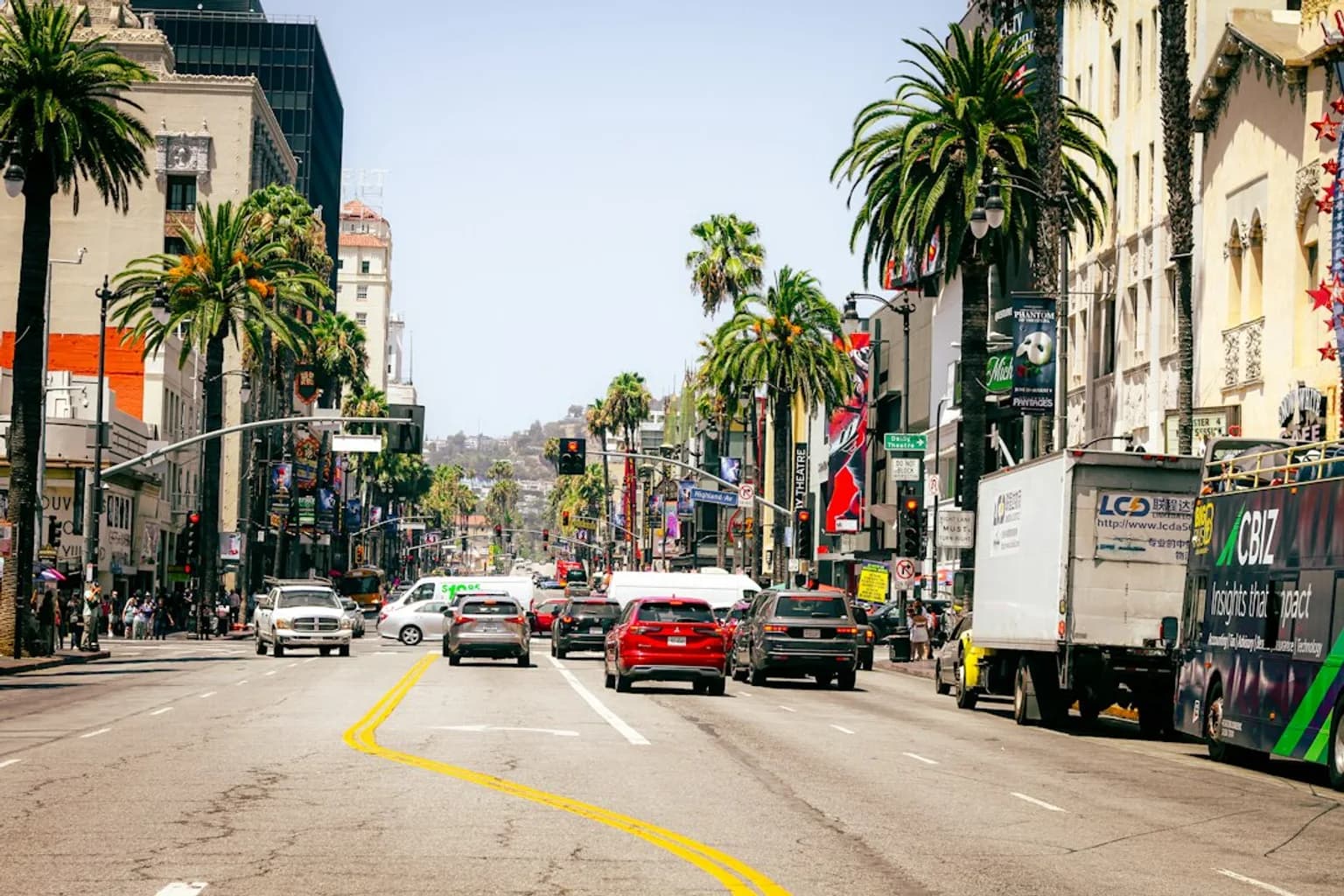
Jackie Brenneman, president and CEO of the Independent Film & Television Alliance, will open a new summit in Los Angeles with a keynote address on 10 November 2026. The alliance produces the American Film Market, which will use the event to confront a business being reshaped by consolidation, artificial intelligence and the creator economy.
The inaugural Global Screen Economy Summit will be held at the Fairmont Century Plaza on the opening day of the 47th American Film Market. The market runs from 10-15 November 2026 across the Fairmont Century Plaza, AMC Century City 15 and The Pavilion.
“Nearly every part of our business is being reimagined,” Brenneman said, from “how stories are discovered and what gets made to how content reaches audiences and the renewed excitement around the theatrical experience.”
The summit arrives after studio consolidation and streaming dramatically narrowed the market for independent content, disrupting the economics of film and television.
Advertisement
A $110 billion merger of Paramount and Warner Bros. Discovery closed, creating a combined company now called Skydance Media. Skydance has pledged that four films a year from the combined studios’ slate will be independent, meaning they are based on an original screenplay or co-produced by Paramount. Paramount must also create a $25 million Independent Film Fund, with $5 million a year for five years earmarked to acquire and finance independent films.
Agencies and producers have responded by forming the American Entertainment Alliance, which is dedicated to promoting US independent production. Its members include CAA, WME, UTA, Anonymous Content, Blumhouse, Imagine Entertainment, Legendary Entertainment, MRC, North Road, Producers United, Propagate Content and Ziffren Brittenham.
The alliance plans to seek legislation requiring major studios and streamers to put half of their original-content budgets into independent production. Jay Sures, vice chair of UTA, said: “As film and television increasingly consolidate, we need a regulatory framework that puts creators first, protects industry workers and preserves competition.”
Separate legislation offering the first ever federal tax credit for US production has been introduced. Bipartisan legislators hope to pass it by January, likely by attaching it to a spending bill later in the fall.
The market, reborn last year in Century City, is now placing that unsettled argument at the centre of its opening day. Evan Shapiro, a media analyst, will give the second keynote on a fast-changing business affected by consolidation, AI and the creator economy.
More than 45 sessions will run across three stages, including the new AFM House Stage. “The New Federal Production Incentive: A Turning Point for U.S. Production” is scheduled for 9:55-10:30am on 10 November. “The New IP Value Chain: How Stories & Storytellers are Finding New Paths to the Screen” will run from 11-11:35am.
Amy Baer, president of film and television at Artists Equity, and Stuart Ford, chairman and CEO of AGC Studios, will take part in informal conversations. “The New Studio System” will include executives from Angel Studios, Popular Demand Studios and Wesley Wang Media. A separate panel, “The New Math of Independent Film”, will bring together speakers from Cold Iron Pictures, Wrapbook, Ashland Hill Media Finance and Legion M.
The shifts extend beyond the established studio system. The number of original television series has fallen sharply from the period dubbed ‘peak TV’. Meanwhile, ByteDance’s overseas short-drama app PineDrama has passed 100 million cumulative downloads within a year of launch. Media Partners Asia projects that the microdrama industry outside China will reach 3.6 billion dollars this year.
TikTok is expanding its vertical-drama offering through a deal with Made By Us Studios, and unveiled upcoming creator-led projects at MIPCOM Cannes. The summit’s premise is plain: the old routes from story to screen are under pressure, while new ones are still being built.
Advertisement




Comments (0)