
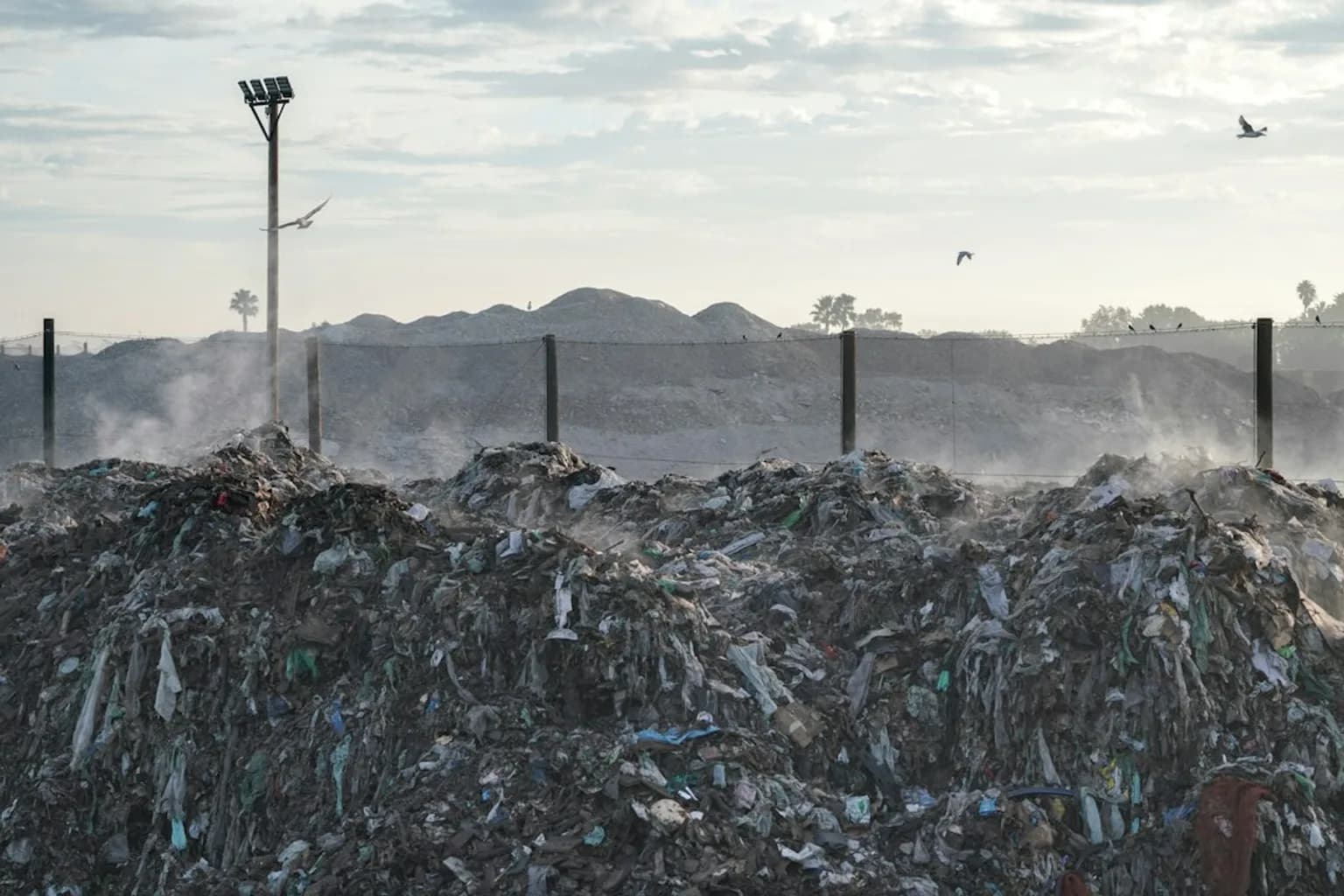
At a pyrolysis plant in Europe, a batch of plastic waste can become oil. The BLJ-16 plastic-to-fuel plant was installed and successfully commissioned there, with capacity to process 4 tonnes of plastic waste per batch at one batch a day.
Its oil yield is approximately 70%. The client plans to refine that oil further for electricity generation on-site.
That is the awkward bit of plumbing in the plastics industry’s push for advanced recycling. With the US recycling rate at 9%, the industry has presented advanced recycling, also known as chemical recycling, as a technological answer to the waste crisis.
The label covers several processes. Depolymerization can produce polymers at a quality conventional mechanical recycling cannot reach.
Advertisement
Pyrolysis, however, is the chemical recycling process deployed most widely. Dozens of pyrolysis plants have been built or planned around the world.
Those projects have recently been faltering, presumably because of poor economics and technical challenges.
The American Chemistry Council welcomed Senator Curtis’ introduction of the Recycled Materials Attribution Act. The legislation places attention on how recycled material is counted and claimed. When a widely used process produces oil that is refined for on-site electricity, the accounting behind a recycled-content claim becomes central to the argument over chemical recycling.
Two other figures cited in the industry’s orbit are Nick Langworthy, a congressman representing NY23, and Eric Appelman, Aduro’s Chief Revenue Officer, who was elected to the Board of Chemical Recycling Europe.
Advertisement





Comments (0)