
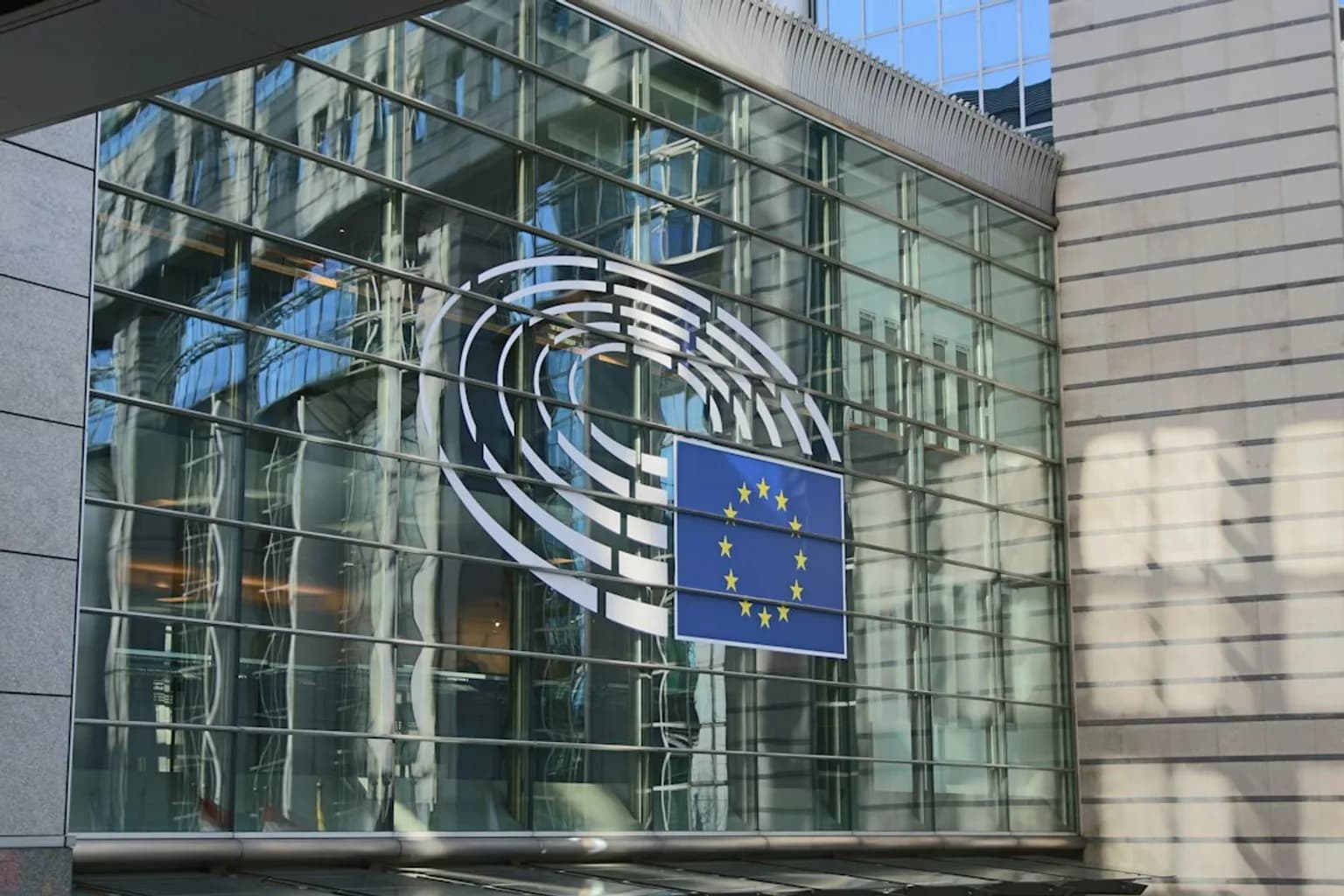
US companies, trade associations and industry organisations held at least 351 meetings with European Union officials and legislators from July 2024 to July 2026, in an effort that environmental watchdog Mighty Earth says was aimed at delaying and weakening the EU Deforestation Regulation.
Mighty Earth said 173 of the meetings were with members of the European Parliament, while 178 involved senior European Commission officials.
The regulation would bar the EU from importing cattle, cocoa, coffee, palm oil, rubber, soy and timber from land where deforestation has occurred. Mighty Earth describes it as the world’s most progressive legislation to protect forests.
The watchdog named the National Alliance of Forest Owners, the Advanced Woody Biomass Alliance, the US Soybean Export Council, Bunge, the American Chamber of Commerce to the EU and Cargill among the organisations that met most often with the European Commission. Mondelēz held eight Commission meetings concerning the regulation, while Cargill held two and Bunge held one.
Advertisement
The regulation’s formal implementation has been delayed twice and is set to take effect in December. The US Chamber of Commerce to the EU pointed to information technology systems and said companies’ obligations lacked sufficient clarity.
The American Soybean Export Council said it was seeking neither an extension nor an exemption, though it backed a transition period. Bunge said it supported the regulation’s objectives and was investing in monitoring and traceability for its soy supply.
Mighty Earth said pressure over the regulation also ran through the US Congress, the Department of Agriculture, the US Trade Representative’s office and the White House. The available information does not identify the arguments made in individual meetings or their effect on the regulation’s delays.
Advertisement



Comments (0)