
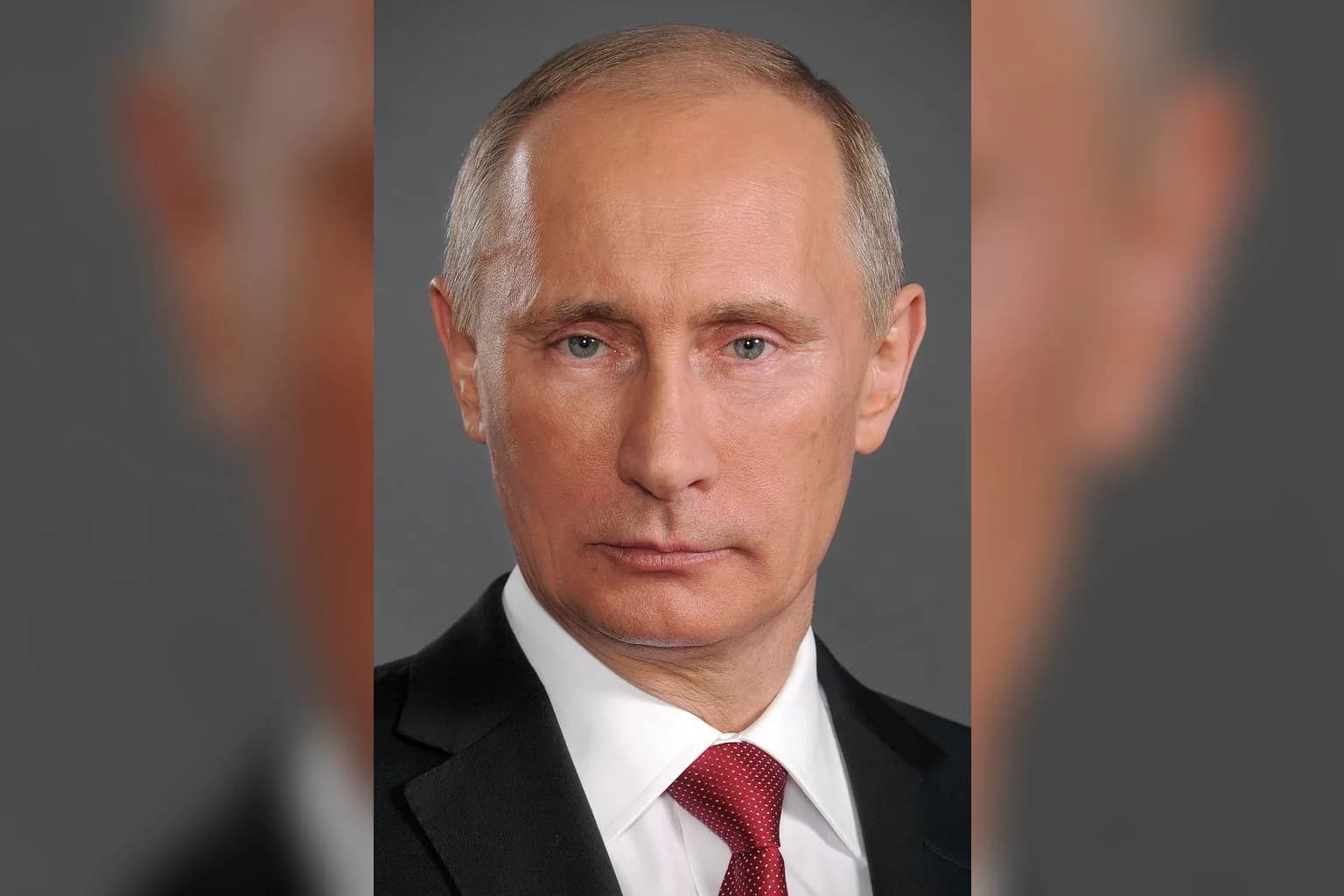
Vladimir Putin’s United Russia party is projected to secure 355 of the Duma’s 450 seats after Russia’s first parliamentary election since the full-scale invasion of Ukraine in February 2022. The result would give the party its strongest showing in its history and a supermajority large enough to change the constitution.
The Central Election Commission said United Russia had won 57.83% of the vote with 95% of ballots counted. The projected 355 seats are approximately 20 more than the party currently holds. Its previous record was 343 seats. In the 2021 Duma election, the party received 49.8% of the vote.
The three-day election ended in September 2026. State media and the Electoral Commission chair, Ella Pamfilova, announced preliminary results on Monday.
The vote took place under tighter political controls than in the previous Duma election. Only parties supporting Putin and the Kremlin’s war in Ukraine were registered. All 10 parties on the ballot backed the Kremlin and the war, while opposition parties were barred from competing. Yabloko was excluded from the ballot.
The Communist Party came second with 13.81% of the vote. Four parties are expected to enter the Duma, down from five previously.
Putin presented the election as a test of public backing for what Russia calls the “special military operation”. United Russia has dominated Russian politics for 25 years. In separate elections, Putin ally Ramzan Kadyrov won nearly 100% of the vote in the Russian republic of Chechnya.
The parliamentary vote included residents in Donetsk, Luhansk, Kherson and Zaporizhzhia, four Ukrainian regions occupied and illegally annexed by Moscow. Voting was also held in Crimea, which Russia illegally annexed in 2014. Kyiv denounced voting in those territories as illegal.
The EU said the election “underscored the continued and deepening erosion of democracy in Russia”.
The campaign and vote were held amid rising prices, fuel shortages and rumours of another mobilisation drive. Russia was also facing Ukrainian drone strikes and cyberattacks. At home, authorities continued a crackdown on political opponents, anti-war opposition and the internet.
The projected result strengthens United Russia’s control of the Duma at a time when the Kremlin has narrowed the space for political competition. The election offered voters only parties aligned with Putin and the war in Ukraine, while votes from territories claimed by Moscow were included in the national count.



Comments (0)