
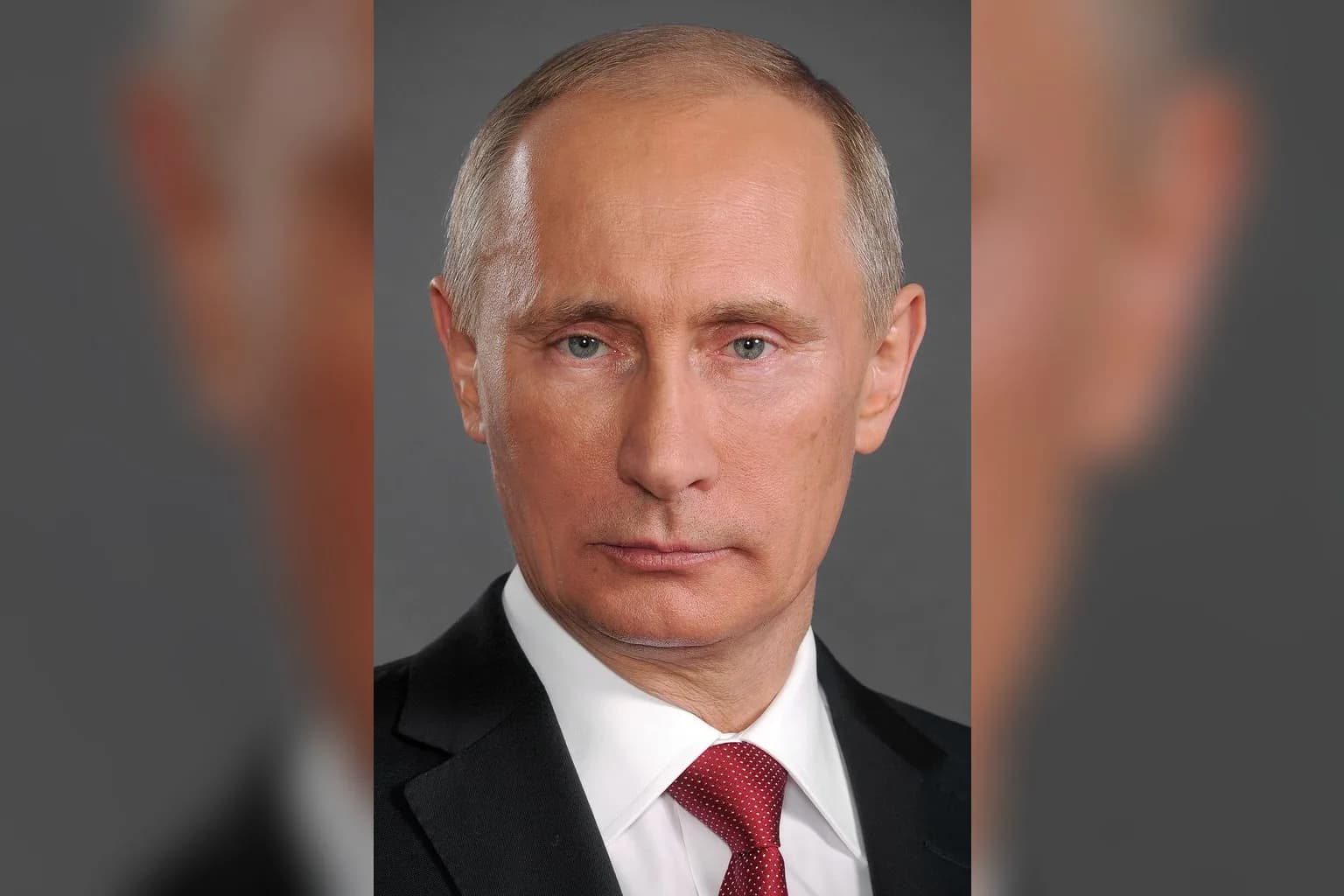
Russia’s ruling United Russia party has claimed its strongest result in a parliamentary election, with preliminary figures indicating that it would take 355 seats in the 450-seat Duma. The vote was the first parliamentary poll held since Russia’s full-scale invasion of Ukraine, and took place with only parties supporting President Vladimir Putin and the Kremlin’s war registered to run.
The Central Election Commission said United Russia had won 57.83% of the vote after 95% of ballots had been counted. Ella Pamfilova, the commission chair, said preliminary results pointed to 355 seats for the party, around 20 more than it currently holds.
Putin had presented the election as a referendum on support for what he calls the “special military operation” in Ukraine. Opposition parties were barred from participation, leaving the contest to pro-Kremlin parties.
The election was held amid rising prices, shortages of fuel and rumours of another mobilisation drive. It also came during a crackdown on political opponents and the internet.
For the first time in a Russian parliamentary election, voting included residents of Donetsk, Luhansk, Kherson and Zaporizhzhia, four Ukrainian regions occupied and illegally annexed by Moscow. Russia also held voting in Crimea, which it illegally annexed in 2014.
Kyiv denounced voting in the Ukrainian regions as illegal. The inclusion of those territories placed the election within Russia’s continuing military campaign in Ukraine and extended the poll to areas whose status is disputed.
Elsewhere, Ramzan Kadyrov, a close Putin ally, was re-elected to a fifth term as leader of Chechnya. He received 99.85% of the vote in his re-election.
The commission’s figures remain preliminary because they were announced before all ballots had been counted. No final national tally, turnout figure or detailed results for the occupied Ukrainian regions were provided in the reported results.



Comments (0)