
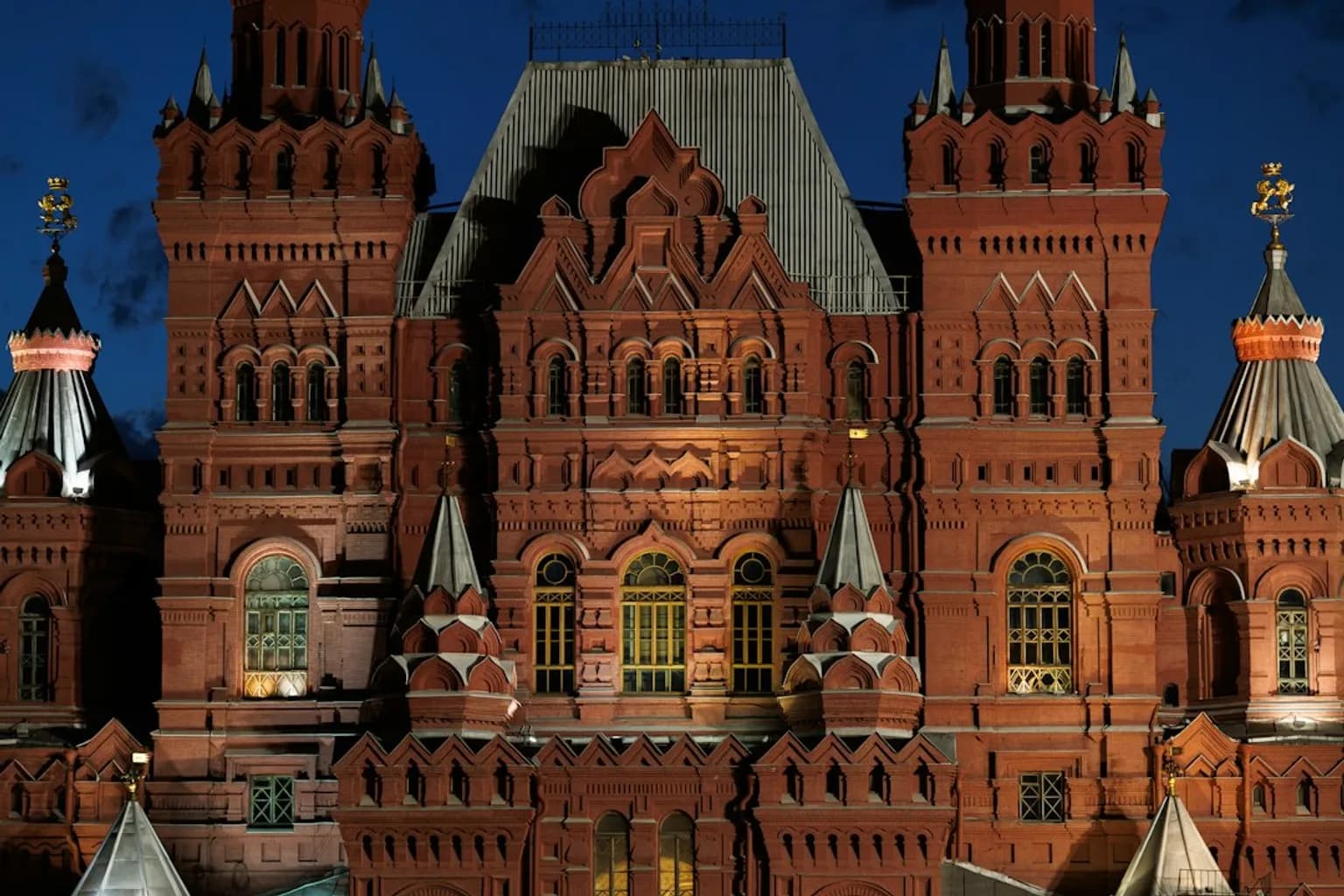
Russians began voting on Friday in a three-day parliamentary election that will choose 450 members of the State Duma, the lower house of parliament. The ballot is the first parliamentary election held since Moscow sent troops to invade Ukraine in February 2022, and takes place with the opposition excluded and only parties supporting the war registered to compete.
More than 110 million Russians are eligible to vote. Polls will remain open until 1800 GMT on Sunday evening. The Kamchatka peninsula and Chukotka, the first of Russia's 11 time zones, were the first areas to begin voting on Friday.
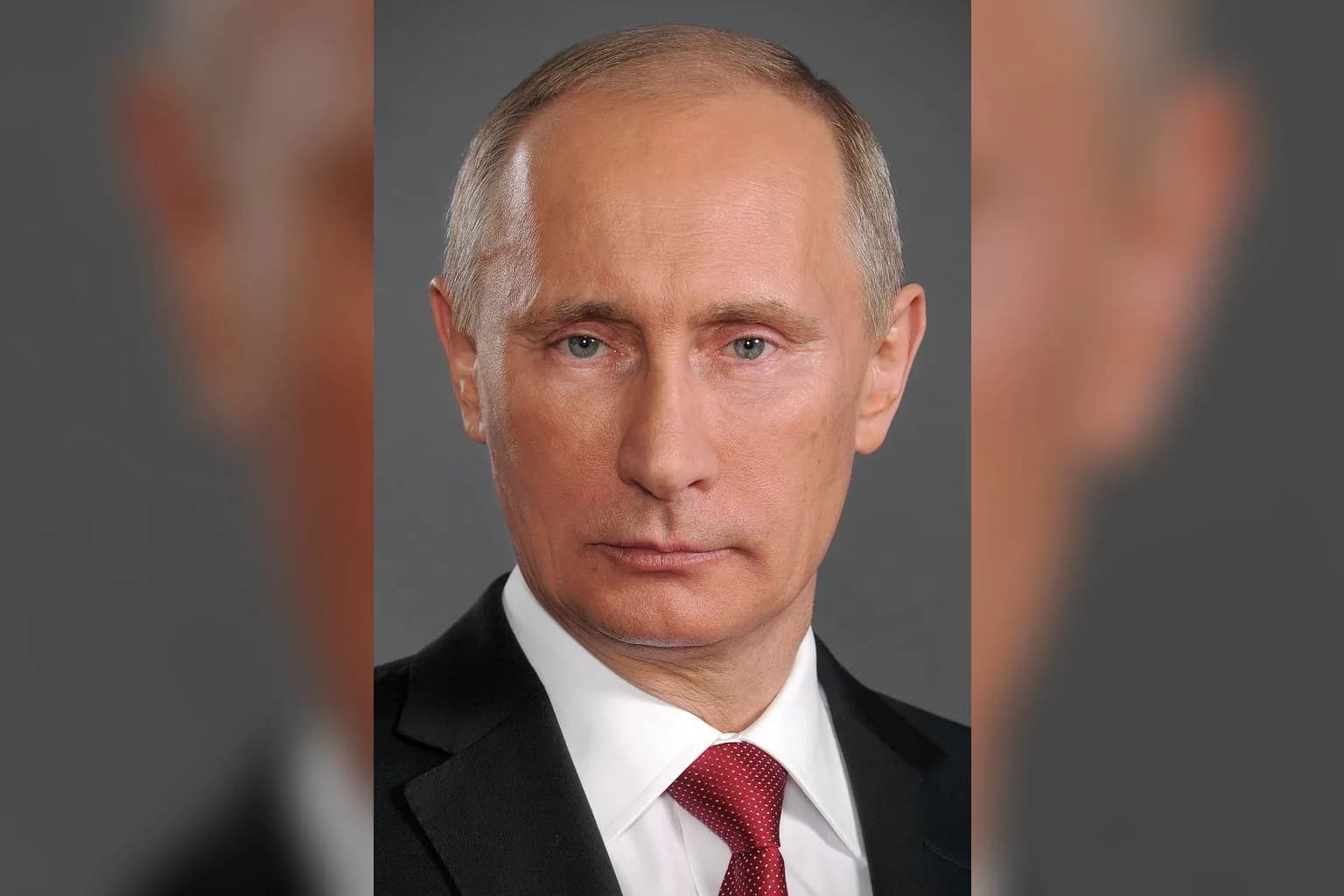
President Vladimir Putin's United Russia party is all but guaranteed to retain overwhelming control of the Duma. The party already holds over two-thirds of its seats. Putin has described the election as a 'collective contribution to Russia's victory against Ukraine'.
The voting system gives electors two separate ballots. Half of the Duma's 450 seats are filled through votes for political parties appearing on the ballot. The remaining seats are contested in single-seat constituencies, where voters select individual candidates.
Russia has allowed electronic balloting alongside in-person voting. Russian state news agencies reported that Putin voted online on Friday.
Opposition parties have been prevented from taking part in the contest. Yabloko, Russia's opposition party, was removed from the party list last month. The registered parties all support Putin's war in Ukraine.
The election also extends to areas beyond Russia's internationally recognised territory. For the first time in a parliamentary election, residents of four Ukrainian regions that Moscow illegally annexed after the war began are included in the vote. Balloting is also under way in Crimea, the Black Sea peninsula illegally annexed by Russia in 2014.
Authorities in Kyiv denounced the voting in Russian-held areas as illegal. Christian Wigand, a spokesperson for the European Commission, also called the voting in the Russian-held regions 'illegal'.
Russia did not invite observers from the Organization for Security and Co-operation in Europe. The absence of those observers comes as the election is conducted in wartime and across territory whose status Ukraine and the European Union reject.
The result will determine the membership of the State Duma, while the structure of the contest points to continued dominance by United Russia. With the opposition barred and pro-war parties alone registered, the vote gives the Kremlin a parliamentary process aligned with Putin's stated war aims.



Comments (0)