
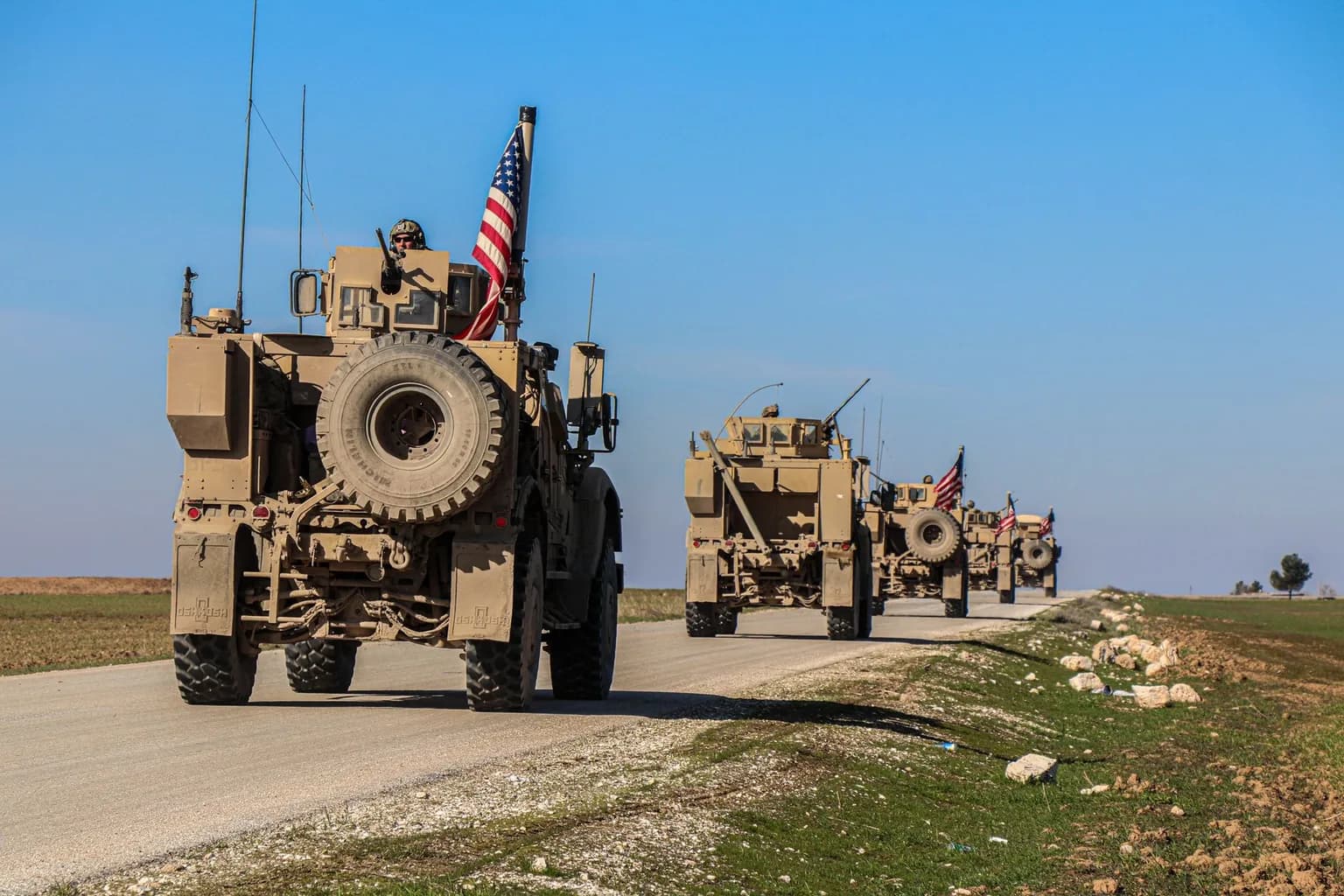
Five US troops and two contractors were injured when an Iraqi base was attacked on Monday during the regional escalation of August 2024.
US Defense Secretary Lloyd Austin blamed Iran-backed groups for the attack. He said his focus was protecting US troops while preserving the readiness to defend Israel if called upon.
That phase of the conflict followed the assassination of Hamas political leader Ismail Haniyeh in Tehran and the killing of senior Hezbollah commander Fuad Shukr in a strike on Beirut. Iran vowed a severe response over Haniyeh’s killing and said the US bore responsibility because of its support for Israel.
Secretary of State Antony Blinken said the US had delivered messages to Iran and Israel that the Middle East conflict must not escalate. He said further attacks “raise the risk of dangerous outcomes that no one can predict or control.”
Air Force General C.Q. Brown, chairman of the Joint Chiefs of Staff, began an unannounced Middle East visit on Saturday, with travel to Jordan, Egypt and Israel planned in the coming days.
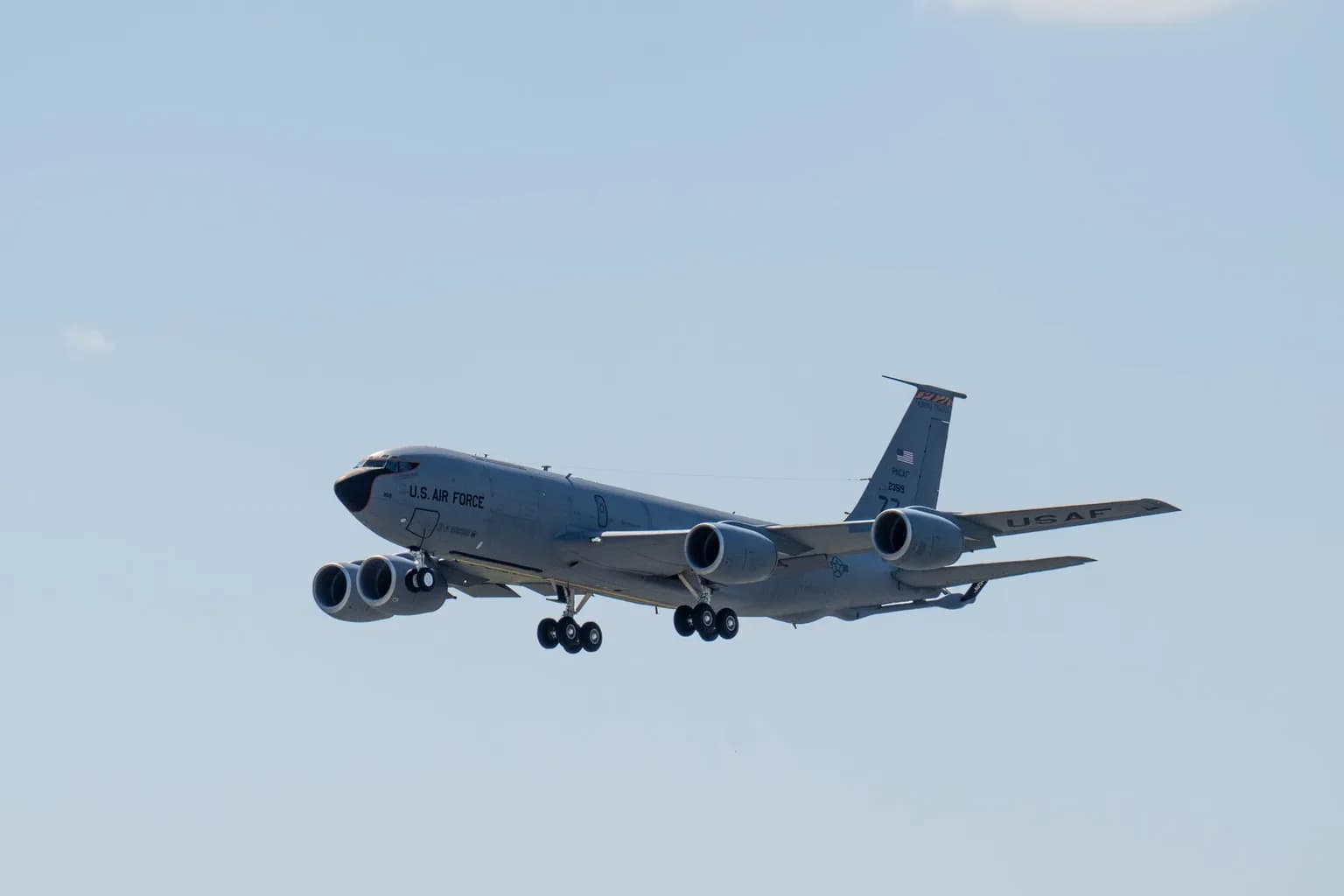
Washington responded in that period by sending more strike capability into the region. The Pentagon said it would deploy additional fighter jets and Navy warships. The US also sent the Abraham Lincoln aircraft carrier strike group to replace the Theodore Roosevelt carrier strike group, alongside an Air Force F-22 Raptor squadron and a cruise missile submarine.
Separate questions have arisen during the 2026 Iran war, in which US bases across Kuwait, Jordan, Oman, Qatar, Bahrain, the United Arab Emirates and Saudi Arabia have come under Iranian fire. Naval Support Activity Bahrain, home to US Naval Forces Central Command and the US Fifth Fleet, has also come under fire since that war broke out in late February.
More than 50,000 US service members are stationed in the Centcom region, across the Middle East from Jordan to Oman.
The physical toll on the bases has been substantial. About 70 structures at 11 US military bases in the Middle East have sustained $5 billion in damage, according to the American Enterprise Institute. A Pentagon watchdog report said Iranian attacks had damaged or destroyed hundreds of buildings and structures at installations in the seven countries under fire.
The damage has focused on capabilities that enable tactical airpower.
The military problem predates the 2026 war. Before it began, Iran, its regional allies and its proxies had built up large quantities of increasingly accurate short-range missiles and drones capable of reaching US bases near the Persian Gulf. Guidance technology able to deliver high accuracy is broadly available for ballistic and cruise missiles as well as drones.
That exposure has prompted a debate inside and outside the US government over the future of the American military presence in the Middle East. Jennifer Kavanagh, a senior fellow and director of military analysis at Defense Priorities, said bases around the Persian Gulf, including those in Bahrain, Qatar and Kuwait, are “simply not defensible.”
Options under discussion range from closing bases in Kuwait and moving forces to Jordan, the United Arab Emirates, Bahrain and Saudi Arabia, to strengthening installations with underground fortifications. Hawkish voices have proposed transferring forces to Ovda Air Base in Israel.
Jonathan Ruhe, a fellow for American strategy at JINSA, said there was a general sense in conversations with officials that the US position in the region “will have to change.” He said a move to Ovda could shift troops from Qatar and Jordan, as well as some personnel from Iraq and Saudi Arabia.
No withdrawal decision has been made. Multiple people familiar with conversations in and around the Pentagon said the outcome of the war with Iran would determine the ultimate decision on US troop withdrawals in the Middle East.



Comments (0)