
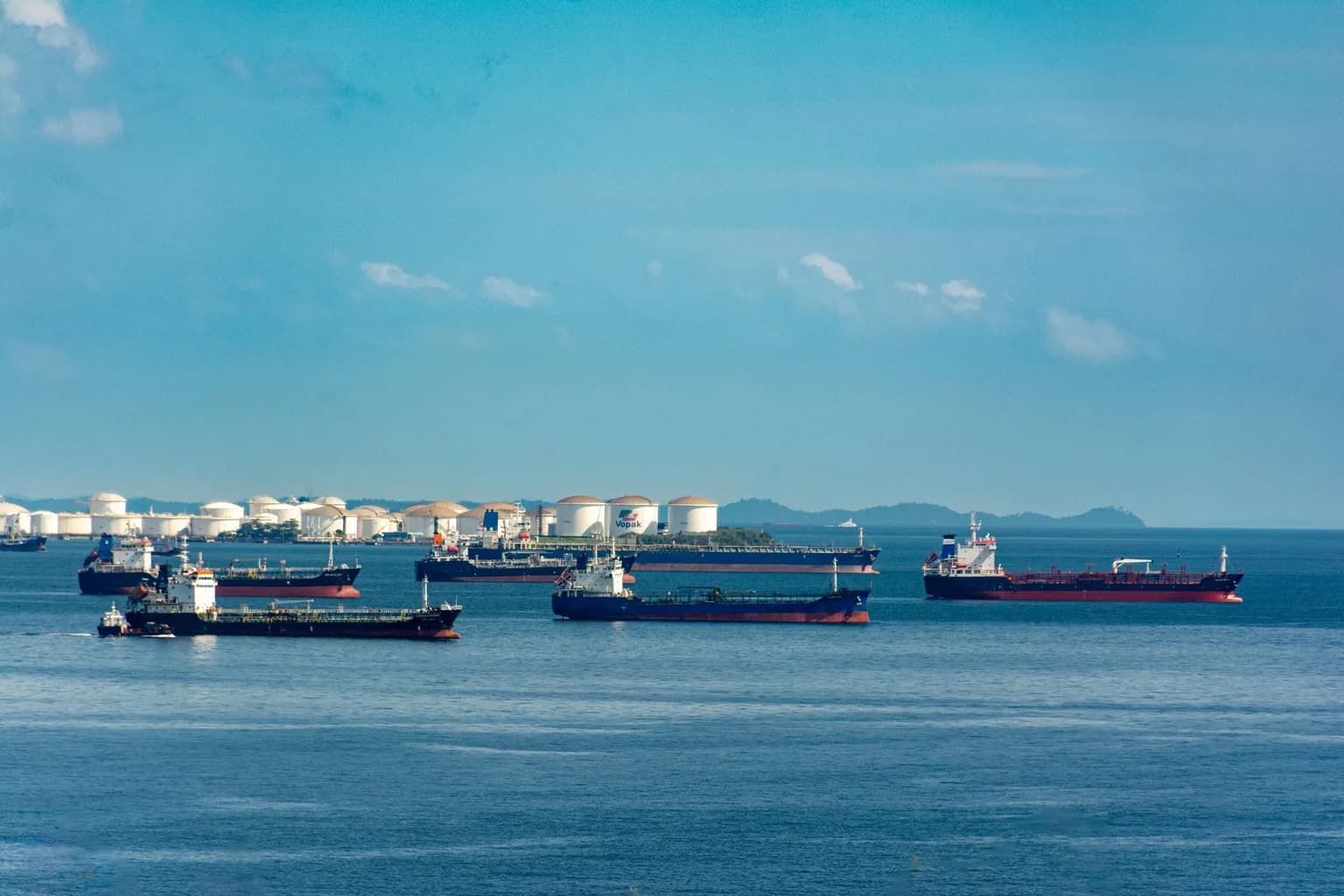
Gulf producers have built an offshore shuttle network to keep oil moving as traffic through the Strait of Hormuz has fallen sharply during the Iran war. The system has restored part of the region’s export capacity, though it requires extra tankers, longer journeys and higher insurance costs. Damage to Saudi Arabia’s East-West pipeline and Houthi control over approaches to the Red Sea have added pressure to an arrangement that was designed as an emergency measure.
The war began on February 28, 2026, following U.S. and Israeli strikes on Iran, and has entered its seventh month. Before the conflict, roughly 20 million barrels per day of crude and products passed through Hormuz. Crude oil and refined product shipments through the waterway averaged 21.6 million barrels per day in October–December 2025, then fell to 14.9 million barrels per day in January–March 2026 and 4.9 million barrels per day in April–June 2026.
Flows have since often ranged from 2–8 million bpd, depending on the week. They have reached as high as 6.5 million bpd in September. Limited Hormuz transits are now one of three routes available to producers. The others are pipelines that avoid the strait and ship-to-ship transfers in the Gulf of Oman.
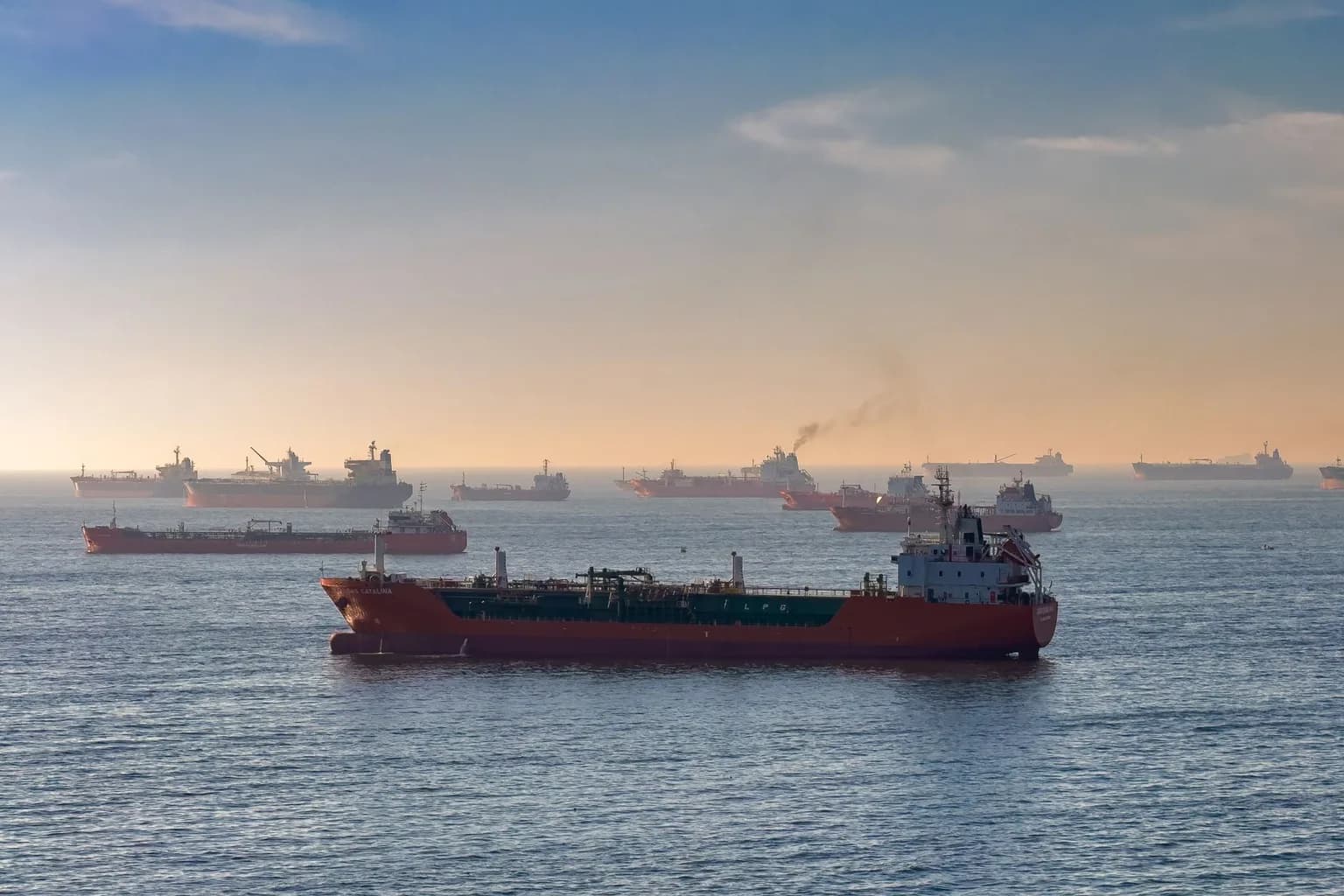
About 2.5 million bpd of crude is expected to be loaded through ship-to-ship transfers in the Gulf of Oman during September, up from 1.4 million bpd in August. That volume is equivalent to roughly 40% of the oil currently moving through Hormuz. Tankers carry crude through restricted corridors, transfer it to larger vessels in international waters, then return to reload.
Most vessels involved in the shuttle system switch off their transponders to avoid detection by Iran. From early May, the U.S. military has overseen transfers off Fujairah and off Sohar, Oman. Reuters reported that at least 116 ships were involved in ship-to-ship transfers by mid-June. The U.S. military effort was helping move roughly 7 million barrels per day out of the Gulf.
Saudi Aramco restarted crude exports from Ras Tanura on August 11. It has sold about 60 million barrels of crude from the terminal for September and October loading through transfers near Sohar port. The company has exported an average 2.3 million barrels per day so far in September.
ADNOC helped develop the shuttle model early in the conflict. Iraq, Kuwait and Qatar, which rely heavily on Hormuz, have also adopted transfers, though they have been unable to restore pre-war export volumes. Major Asian refiners in China, South Korea, India and Japan are among the buyers. Japan has secured sufficient crude supplies through November partly through offshore transfers.
Pipeline capacity remains central to the effort. Saudi Arabia’s East-West pipeline, built as a contingency route around Hormuz, has capacity of 5–7 million bpd. The UAE’s Abu Dhabi pipeline has capacity of 1.8 million bpd and also supports shuttle transfers.
Those alternatives have come under strain. Saudi Arabia halted oil and refined product exports from Yanbu after September 10 drone strikes damaged pumping stations on the East-West pipeline. Crude intended for Yanbu faces further delays and costs. Tanker rates have hit records as the network requires more ships to move reduced volumes.
On September 10, Houthi forces captured Mocha, tightening their control over approaches to the Red Sea. The development has placed further pressure on routes linked to Yanbu and has raised the prospect that the Houthi embargo could extend beyond Saudi-linked shipping to wider Red Sea traffic.
Each route now has its own security exposure. Hormuz traffic remains vulnerable during the conflict. The pipeline route has suffered drone damage. The offshore system relies on U.S. military oversight, vessels operating without transponders and the continued availability of tankers willing to make repeated shuttle journeys.
The transfers have kept supplies reaching buyers, though they cannot fully replace the volumes available through the East-West pipeline. The central question is whether a system that is expensive, slow and politically fragile can operate long enough to support present export levels. Producers may eventually have to choose between investment in permanent pipelines, terminals and deepwater facilities, or a return to Hormuz once the conflict ends.
Comments (0)