
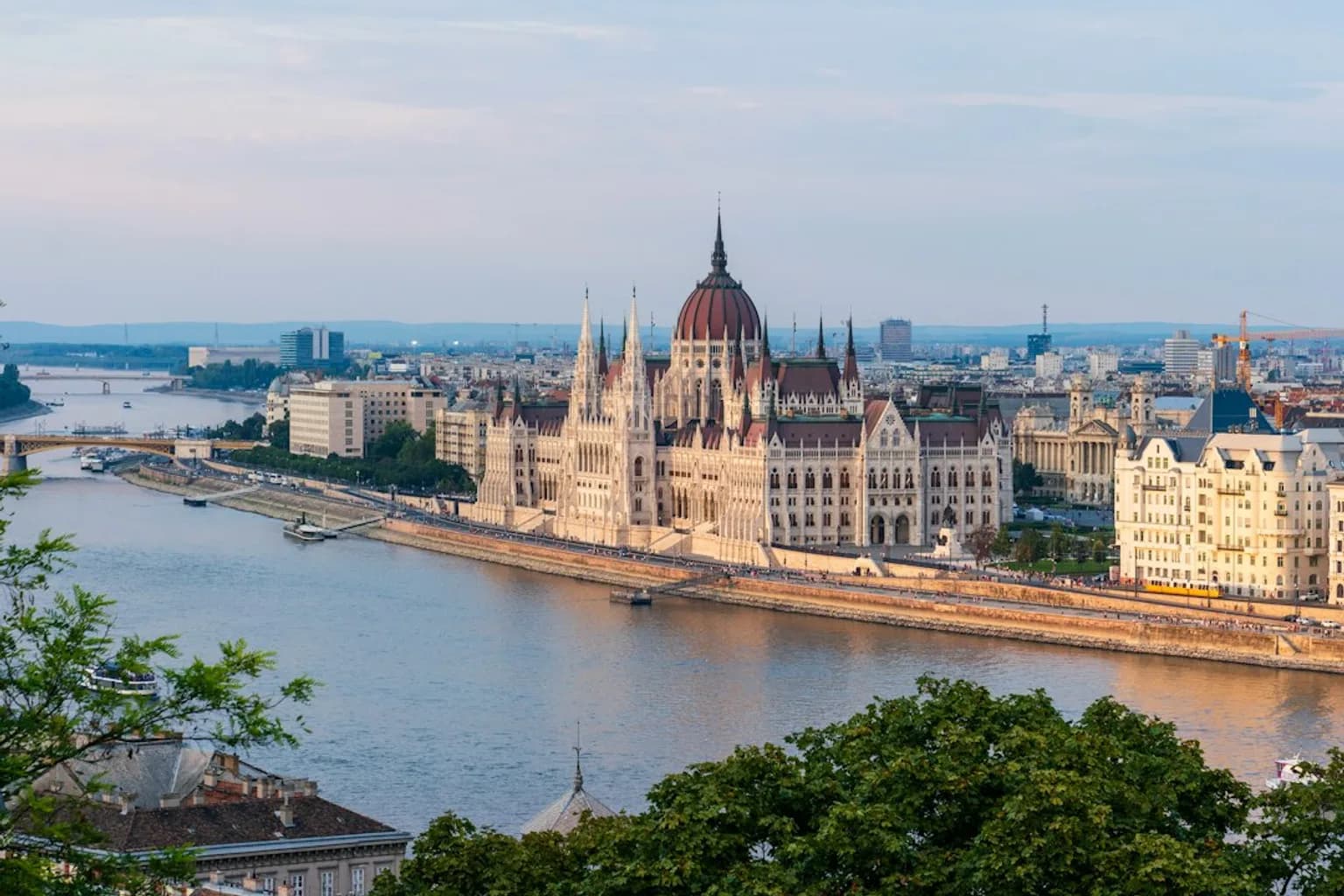
Péter Magyar’s government has won access to €4.2 billion in frozen European Union funding after Hungary’s parliament repealed provisions that had restricted portrayals of LGBTQ people in schools, media and books.
Parliament convened on Tuesday, 13 October, and voted 139–51 to amend child protection laws, scrapping measures that stigmatised gay and transgender people. Minutes later, the European Commission agreed to release €4.2 billion in frozen funding.
Magyar, Hungary’s pro-European prime minister and Viktor Orbán’s successor, leads the Tisza party, which holds the same two-thirds majority that Fidesz once commanded. He had promised to break with Orbán’s repressive policies. His government bundled the repeal into a wider package of laws intended to dismantle Fidesz legislation.
Fidesz and its sister party, the Christian Democrats, opposed the amendments. The Christian Democrats said: “There is no place for the promotion of LGBTQ content in schools or the media.”
Advertisement
The provisions being removed came from the 2021 Child Protection Law, passed under Orbán’s large Fidesz majority. It banned the “portrayal or promotion of homosexuality or transgenderism” to minors. The law reached across education and the right of assembly, as well as other legislation. Books dealing with LGBTQ subjects in an age-appropriate way could be sold only in black plastic packaging carrying warnings.
In April, the European Court of Justice ruled that the 2021 law breached EU treaties and the Charter of Fundamental Rights. The Court of Justice of the European Union found that it stigmatised LGBTI+ people. Orbán was voted out of office in April and succeeded by Magyar.
The amendments allow Hungary to meet key legal criteria under EU funding frameworks. Roughly €0.5–0.6 billion in cohesion funding remains blocked as a “horizontal condition” connected to the case.
LGBTQ and human rights activists welcomed the vote while urging the government to address other Orbán-era restrictions. Rights groups said section 5/A of the Family Protection Act and Article XVI of the Fundamental Law still contain anti-LGBTQ restrictions. The Freedom of Assembly Act is also still used to restrict Pride.
Tamas Dombos of the Hatter Society, a Hungarian legal advocacy group for LGBTQ+ individuals, said: “Even if the government's sole aim is to restore the legal status quo that existed before 2020, there are still a great many laws that would need to be amended… and we don't know whether the government's working on that.”
Advertisement




Comments (0)