
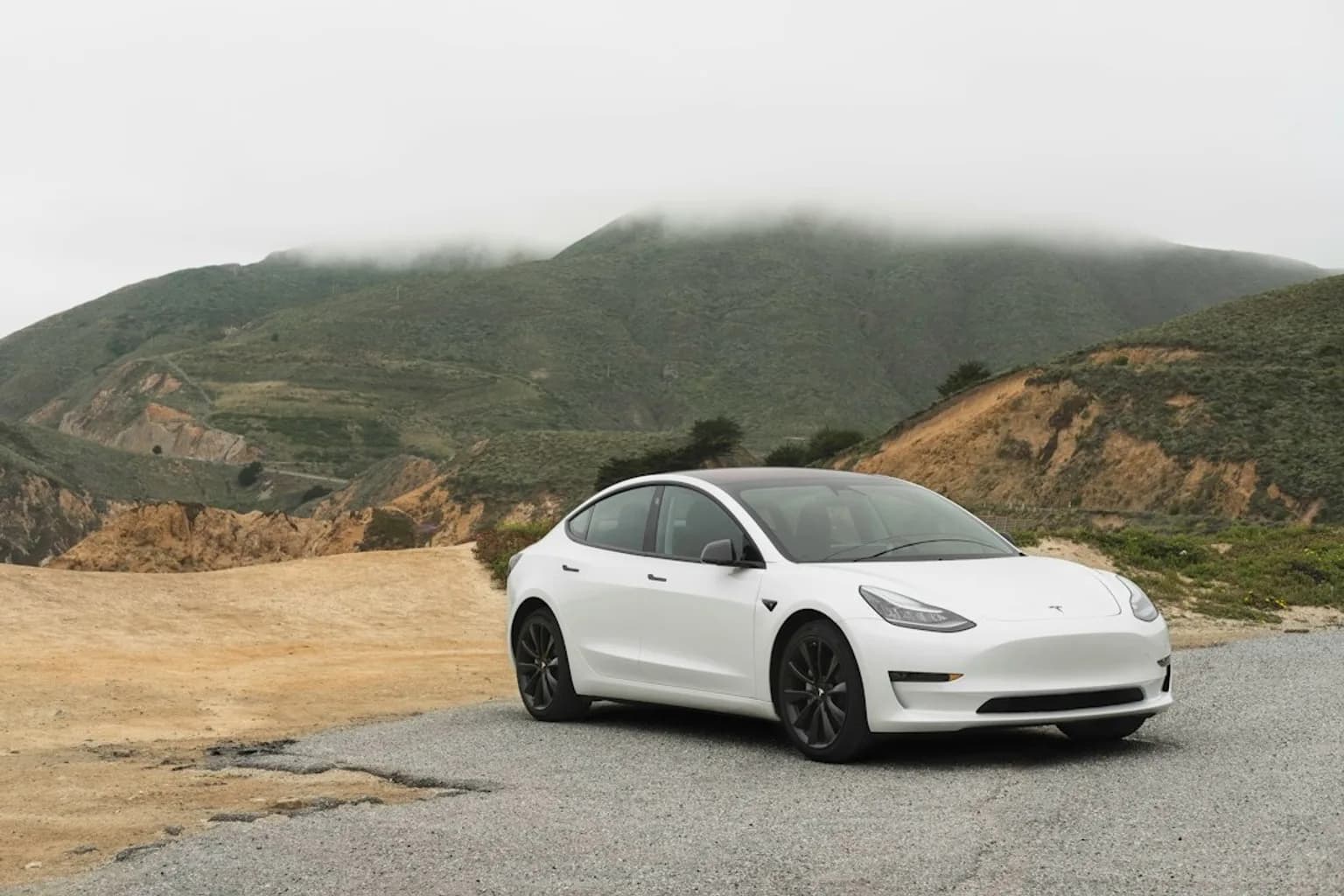
Thomas LoSavio and other California Tesla owners said they paid extra for software that did not work properly after Tesla represented that its vehicles had the hardware required for full self-driving capability. Their class action, filed in September 2022, challenged the company’s description of its Full Self-Driving technology.
On October 16, 2026, the 9th U.S. Circuit Court of Appeals threw out the order that would have allowed thousands of those owners to pursue the case together. The three-judge panel, made up of Ronald Gould, Jay Bybee and Daniel Bress, ruled that the plaintiffs had not shown every proposed class member saw the website statement before buying a vehicle.
That finding concerns the requirements for bringing a claim on behalf of a class. It does not decide whether Tesla’s statements about Full Self-Driving were false or misleading. The panel vacated the class certifications and returned In re Tesla Advanced Driver Assistance Systems Litigation to the district court for further proceedings.
Tesla began saying on its website in October 2016 that its cars came with the hardware needed for full self-driving capability. The Full Self-Driving package cost as much as $15,000 at its peak.
Advertisement
U.S. District Judge Rita Lin, sitting in San Francisco, certified two classes in August 2025. One covered buyers and lessees from October 20, 2016, to May 19, 2017. The other covered buyers from May 19, 2017, through July 31, 2024, who had opted out of arbitration.
Lin concluded that thousands of people probably encountered Tesla’s hardware claim on its website between October 2016 and August 2024. She also pointed to a similar assertion by Tesla chief executive Elon Musk at a 2016 press conference.
The judge said Tesla’s direct-to-consumer model sent most product information to customers through its website and Musk’s public statements, rather than through dealer networks used by traditional automakers.
The appeals panel reached a different conclusion on whether the alleged message could be treated as common across the proposed classes. Its ruling leaves open what the district court will do next.
Tesla’s purchase agreement contains an arbitration clause. In 2023, a judge directed most of the original plaintiffs into individual arbitration because they had signed that agreement.
Lawyers for the plaintiffs said: “We think the panel did not fully appreciate the unique circumstances here, and the importance of the hardware statement to Tesla's marketing campaign.”
The class case is separate from other proceedings involving Tesla’s driver-assistance marketing and systems. In December 2025, a California Department of Motor Vehicles administrative decision found Tesla had violated state false-advertising laws through its use of the terms ‘Autopilot’ and ‘Full Self-Driving Capability’. Tesla sued the California DMV in February 2026 to overturn that decision.
A federal safety investigation opened in October 2024 covers about 2.4 million Tesla vehicles. Separately, a federal judge upheld a $243 million jury verdict against Tesla in a case involving a fatal Autopilot crash.
Advertisement
Comments (0)