
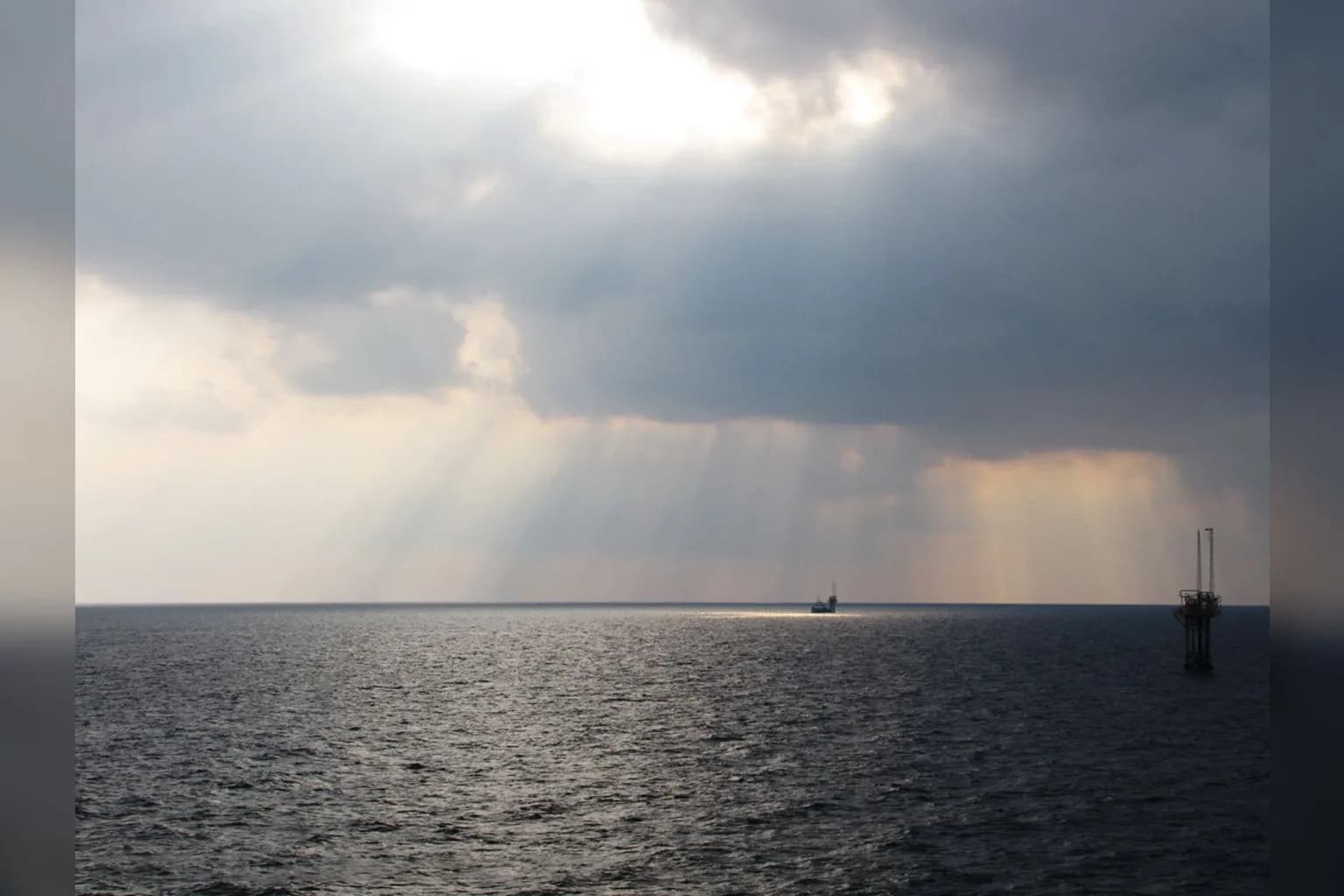
Iran says it is waiting for an official US response to a proposal that would reopen the Strait of Hormuz after a ceasefire, including the lifting of what Tehran describes as the American blockade of Iranian ports. President Donald Trump has publicly rejected the timetable offered by Tehran, leaving negotiations over the strategic waterway and wider nuclear issues stalled.
Abbas Araghchi, Iran's foreign minister, told reporters at the UN in New York on Friday that the strait could reopen and normal maritime traffic could resume within seven days if the necessary conditions were met. Iran's proposal envisages a ceasefire taking effect before the waterway is reopened.
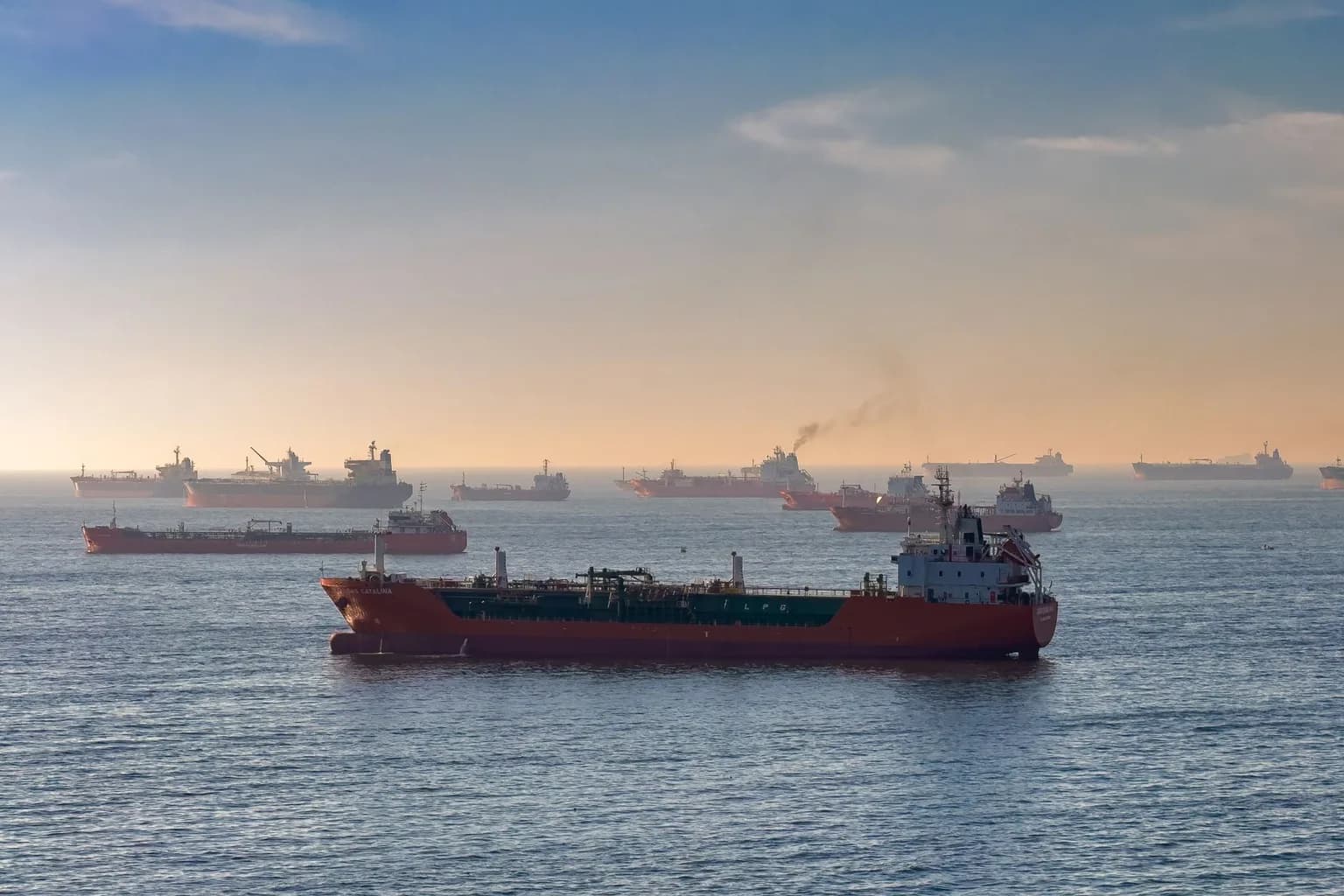
The Strait of Hormuz has been effectively closed since war began in February. Around a fifth of the world's gas and oil supply usually passes through it, placing the status of the route at the centre of the dispute.
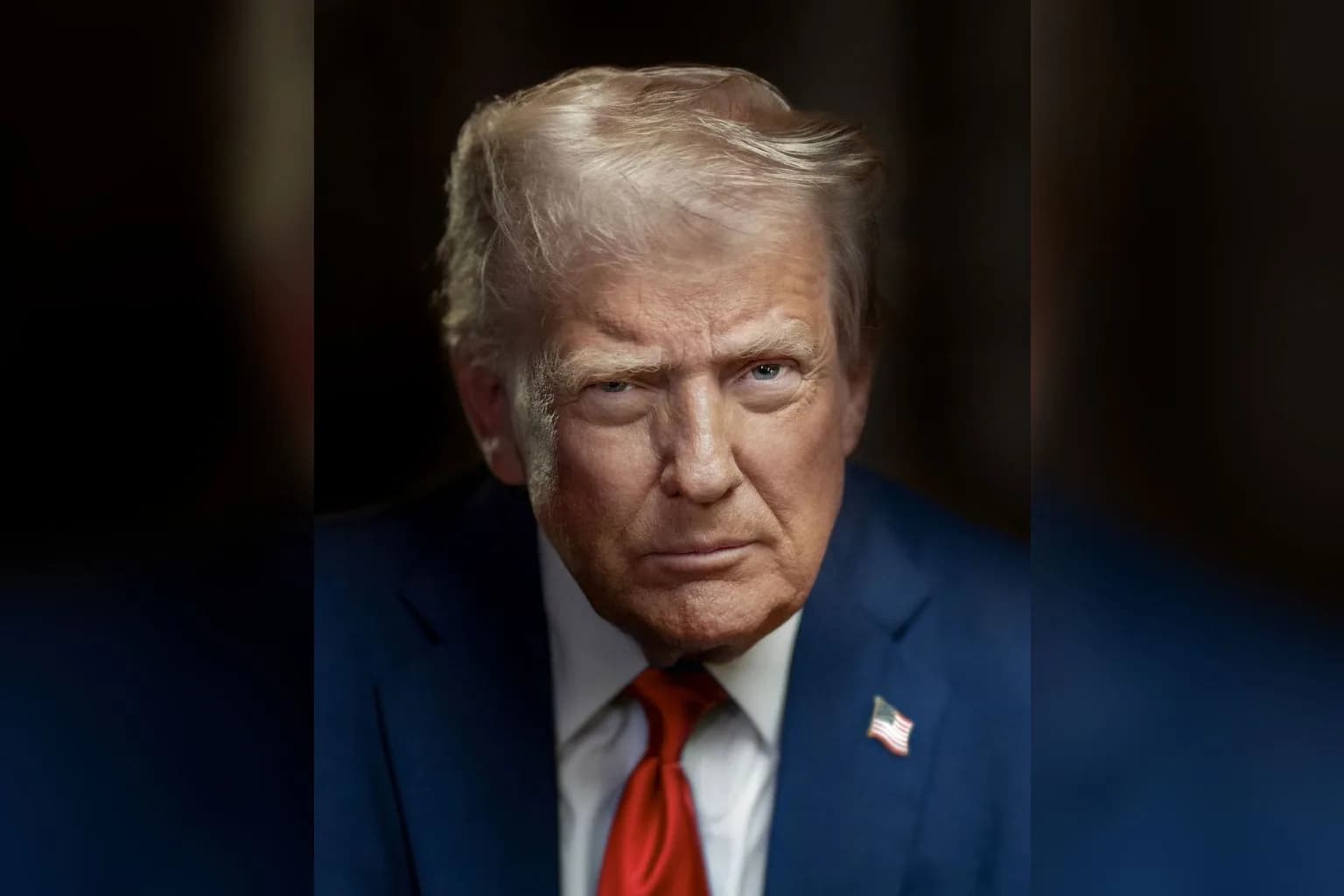
Trump told reporters at the White House that Iran “want to make a deal where they open the Strait immediately because they're losing so badly”. He rejected the proposed seven-day plan and said the US controlled the strait.
The Wall Street Journal reported that Trump had rejected Iran's proposal and had left open the possibility of renewed bombardment after the November congressional elections. The newspaper also reported that he had told staff he expected to resume hostilities after the November midterms.
The precise terms Washington may seek have yet to be made public. It is also unclear whether the memorandum of understanding signed by Iran and the US in June remains in force or has been overtaken by subsequent events.
Marco Rubio, the US secretary of state, told reporters on Wednesday that an agreement with Iran would require hard work over time. He said Trump retained military options, though no details of those options were provided.
Iranian President Masoud Pezeshkian told CBS News that Iran would permit UN nuclear inspectors to enter the country as part of a possible long-term ceasefire agreement, despite what he called an atmosphere of distrust. Negotiations over the strait and broader nuclear concerns have remained stalled despite recent shuttle diplomacy through Qatari mediators.
Iran's proposal comes as the US and China have set out areas of cooperation following a state visit by President Xi Jinping from 23 to 25 September, local time. The two countries reached an arrangement for a reciprocal tariff reduction valued at US$30 billion.
They also agreed to create the China-US AI Dialogue, a mechanism intended to exchange views on the risks and benefits of artificial intelligence. The next exchange is scheduled for November 2026.
The two heads of state agreed that Iran should meet its commitment not to develop nuclear weapons. They also agreed that no country or institution should be allowed to impose tolls on international waterways. The full content and significance of eight deliverables and understandings from Xi's visit has not been specified.
Separately, housing costs were at the centre of an eviction case in Madrid's Retiro district. Maricarmen Abascal, an 87-year-old woman, was evicted from her apartment on 23 September after renting it for 70 years.
The tenants union said an investment fund that acquired the property had raised the monthly rent from approximately 500 to 1,650 euros. The brief did not provide further details of the eviction or the fund's response.
Comments (0)