
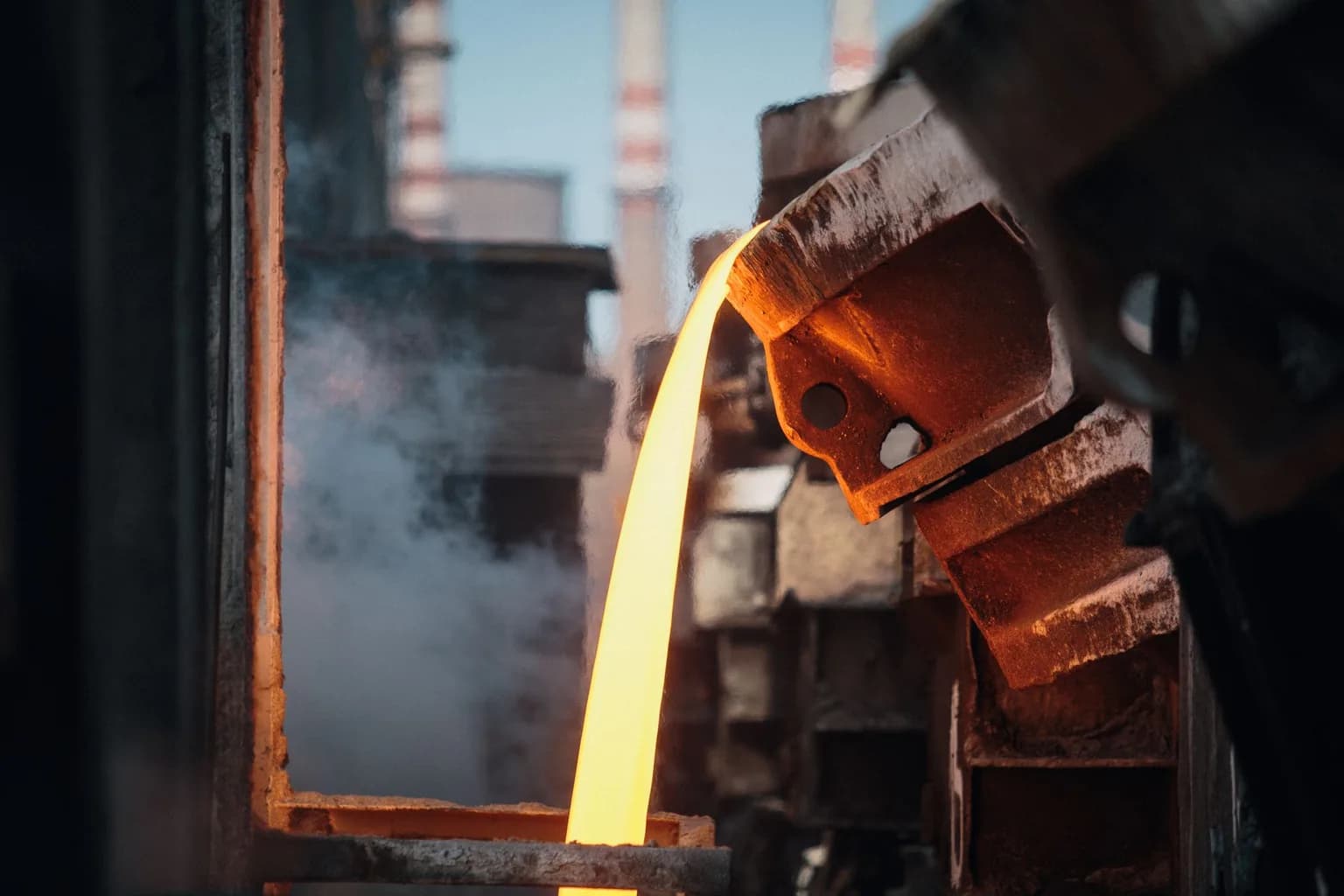
Mark Selby, the chief executive of Canada Nickel, said the company is looking to ship millions of tonnes of steel a year to Europe eventually. He said the carbon tariff would amount to pennies per tonne over the long run.
For Canadian metal exporters, however, the European Union’s Carbon Border Adjustment Mechanism is bringing new costs before its border charges begin. Steel, aluminium, iron and cement exporters are already measuring the emissions embedded in their products and paying for those figures to be checked by an accredited verifier.
A Global Affairs Canada memo signed on 10 December 2025 called the mechanism a “border charge” and “effectively a carbon tariff.”
Canadian iron, steel and aluminium are covered despite Canada’s national carbon price and its decade-old trade deal with the EU. Exporters will face further compliance costs in 2027, when European importers will have to pay the carbon charge at the border.
Global Affairs estimates that $2.8 billion worth of Canadian goods each year, mainly metals, is exposed to the levy. The figures are annual averages based on data from 2021 to 2024.
Newfoundland and Labrador has $885 million in iron and steel exports exposed annually, almost half of those exports. In Quebec, aluminium, iron and steel exports exposed to the charge are worth about $792 million a year.
The EU mechanism is being applied at a low level and is due to ramp up fully in 2034. By then, Canadian steel could cost an additional $150 per tonne.
Canada cannot currently secure an exemption because its carbon price is not linked to Europe’s carbon market, the EU Emissions Trading System. Switzerland, Norway, Iceland and soon the U.K. are exempt because their carbon-pricing systems are linked to, or fall under, that system.
In 2025, the EU carbon price is approximately $134 per tonne, compared with $95 per tonne in Canada.



Comments (0)