
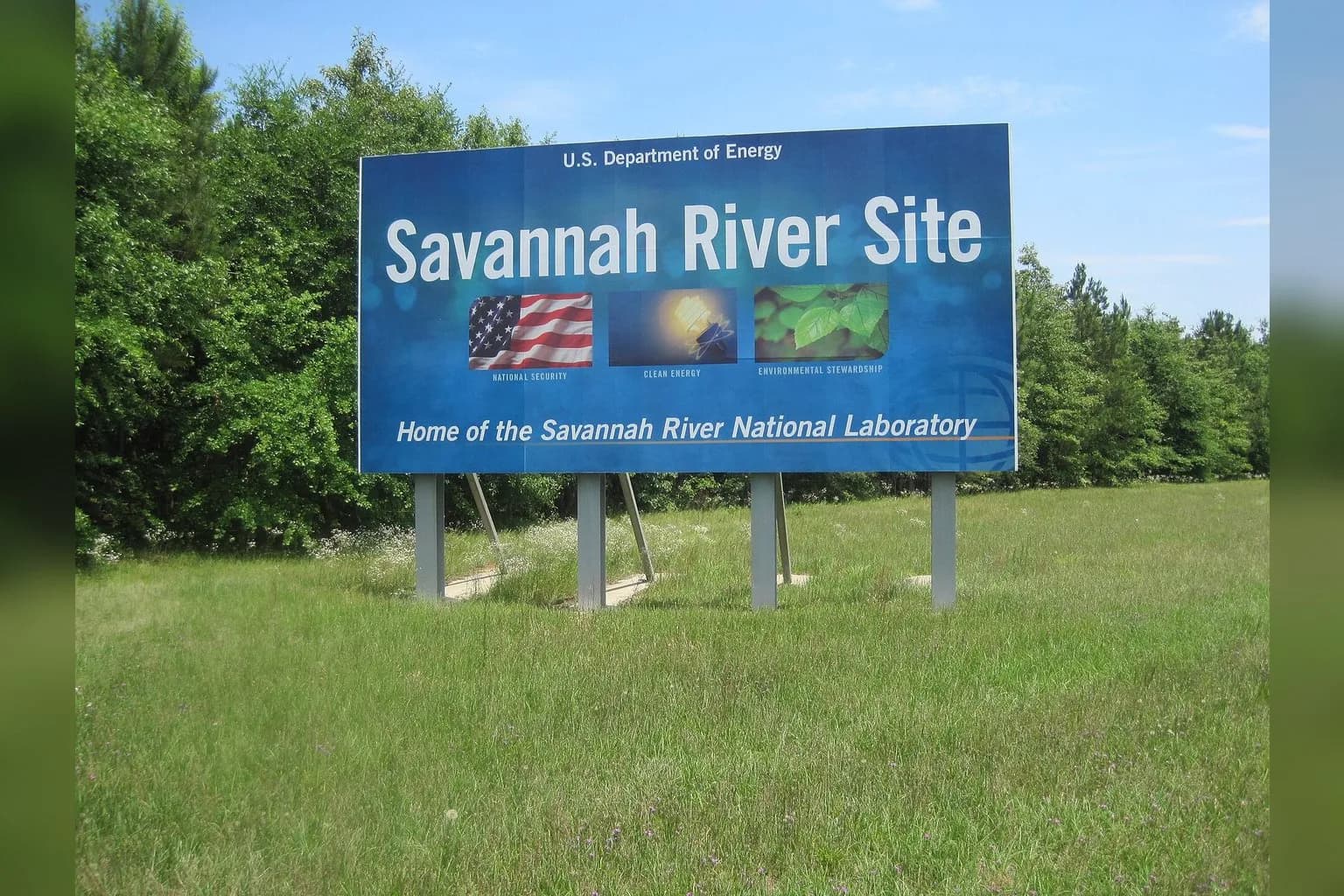
Employees in the Area A laboratory area sheltered behind barricades for about 30 minutes after a fire began in a single room at the Savannah River National Laboratory just before 5:40 p.m. on Wednesday evening.
The laboratory sits within the Savannah River Site, a 310-square-mile US Department of Energy complex spread across several counties in South Carolina. The Savannah River Site said the fire led to an “unfiltered ground-level radiological release.”
Rail, river and air traffic in the area were restricted, while entrances to incoming site traffic were also closed. A Federal Aviation Administration temporary flight restriction alert described the reason as a “US Govt Nuclear Incident”.
Officials said the fire was extinguished less than two hours after it began. One employee was taken to hospital with minor injuries.
A Department of Energy spokesperson said “no radiological contamination has been reported.” Officials also said no contamination was reported outside the “affected” building.
By 9:45 p.m., the site had lifted its emergency advisory and the protective actions that followed it.
The Savannah River National Laboratory conducts research on nuclear environmental cleanup and related technologies. The wider site was built during the early 1950s, at the height of the Cold War, to produce materials for nuclear weapons including plutonium-239 and tritium.
After the Cold War, the site moved from producing nuclear materials to managing them. Its work now includes long-term management and continuing tritium operations that support the nation’s nuclear deterrent.
Comments (0)