
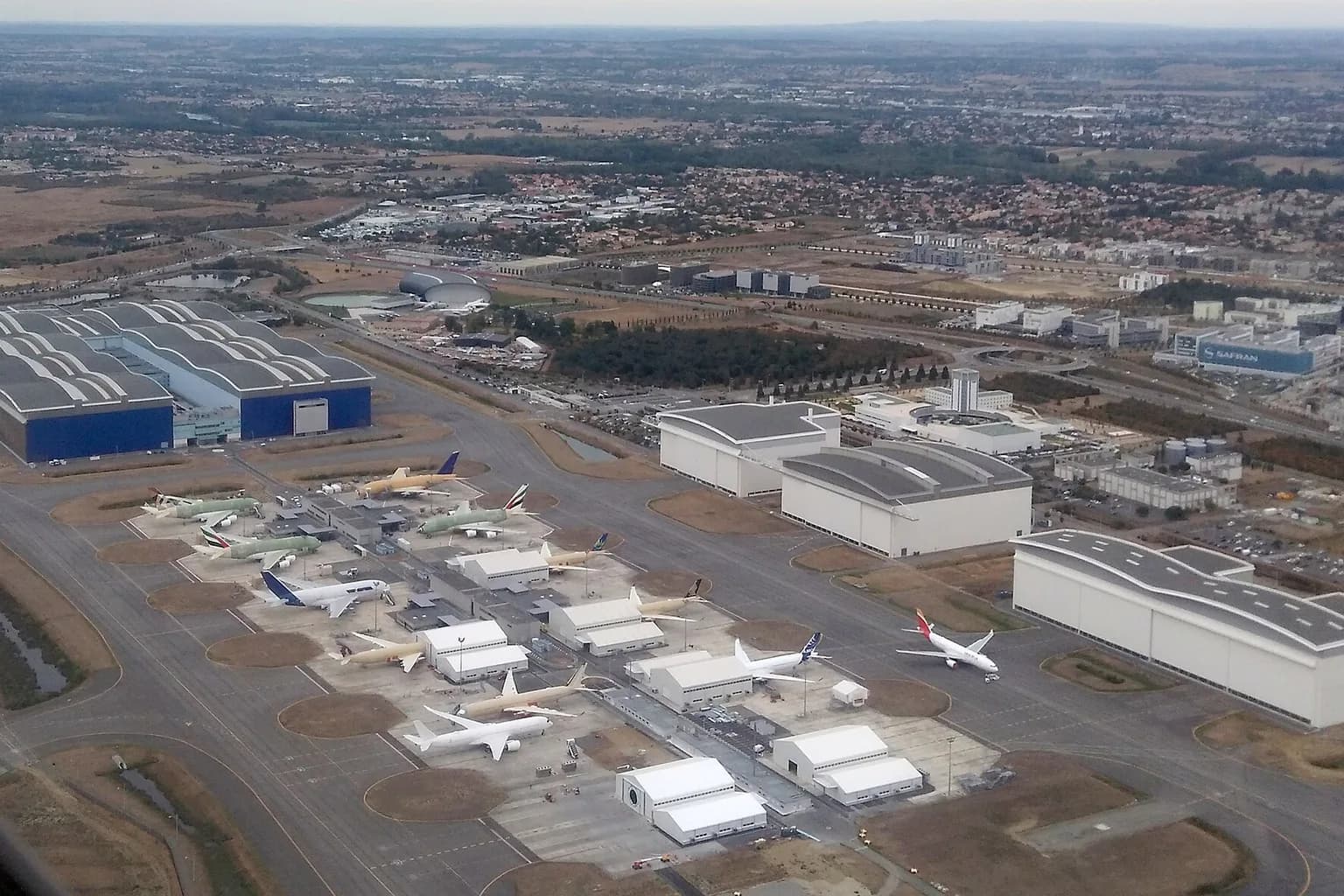
US Trade Representative Jamieson Greer warned on Monday, in a statement released on 26 October, that a $3.4 billion European Investment Bank loan to Airbus could jeopardise the tariff truce between Washington and Brussels. He said the financing risked breaching the 2021 Large Civil Aircraft deal.
Greer said his office had received no details of the financing, despite its announcement in June. “I had sincerely hoped that trade-distorting European subsidies to Airbus were a thing of the past,” he said.
“This situation injects substantial uncertainty into transatlantic trade in the aerospace sector,” Greer said, urging the EU to resolve the matter quickly.
The European Investment Bank said in June that it would provide Airbus with a record three billion euros ($3.4 billion) to support research and development. Ambroise Fayolle, the bank’s vice president, said the money was intended to give Airbus the capacity and flexibility for long-term research, development and innovation in commercial aviation and the security and defence sectors.
Boeing asked the government in July to press Airbus for transparency over the loan.
The dispute reaches back to 2004, when the United States and European Union began accusing each other of giving unlawful support to private companies including Boeing and Airbus.
After 17 years of conflict, the World Trade Organization found in 2011 that both companies had received subsidies with legally questionable elements or subsidies that gave an advantage to a manufacturer in breach of the rules.
During that period, both sides put tariffs on billions of dollars of each other’s goods. The US levied tariffs on $7.5 billion of goods and the EU imposed tariffs on $4 billion.
In 2021, under former president Joe Biden’s administration, the two sides agreed a five-year deal that effectively ended the 17-year dispute, the longest the WTO has heard. It paused tariffs on roughly $11.5 billion of goods.
The truce was extended in July after the European Parliament approved a broader 15% tariff deal. That agreement committed Europe to investing hundreds of billions of dollars in US projects including energy and defense.
If the agreement unravels, tariffs could return to a higher 30%. The EU also holds a retaliation package affecting more than $100 billion of US goods.
The claims over subsidies have remained sharply contested. The US alleged that Airbus gained a $200 billion economic benefit from $22 billion in illegal subsidies. The EU alleged that Boeing received $23 billion in illegal support through tax breaks and defense contracts.
For Airbus, the stakes extend beyond the loan. The company provides 135,000 European jobs, and about one-third of its revenue comes directly from Europe.
Comments (0)