
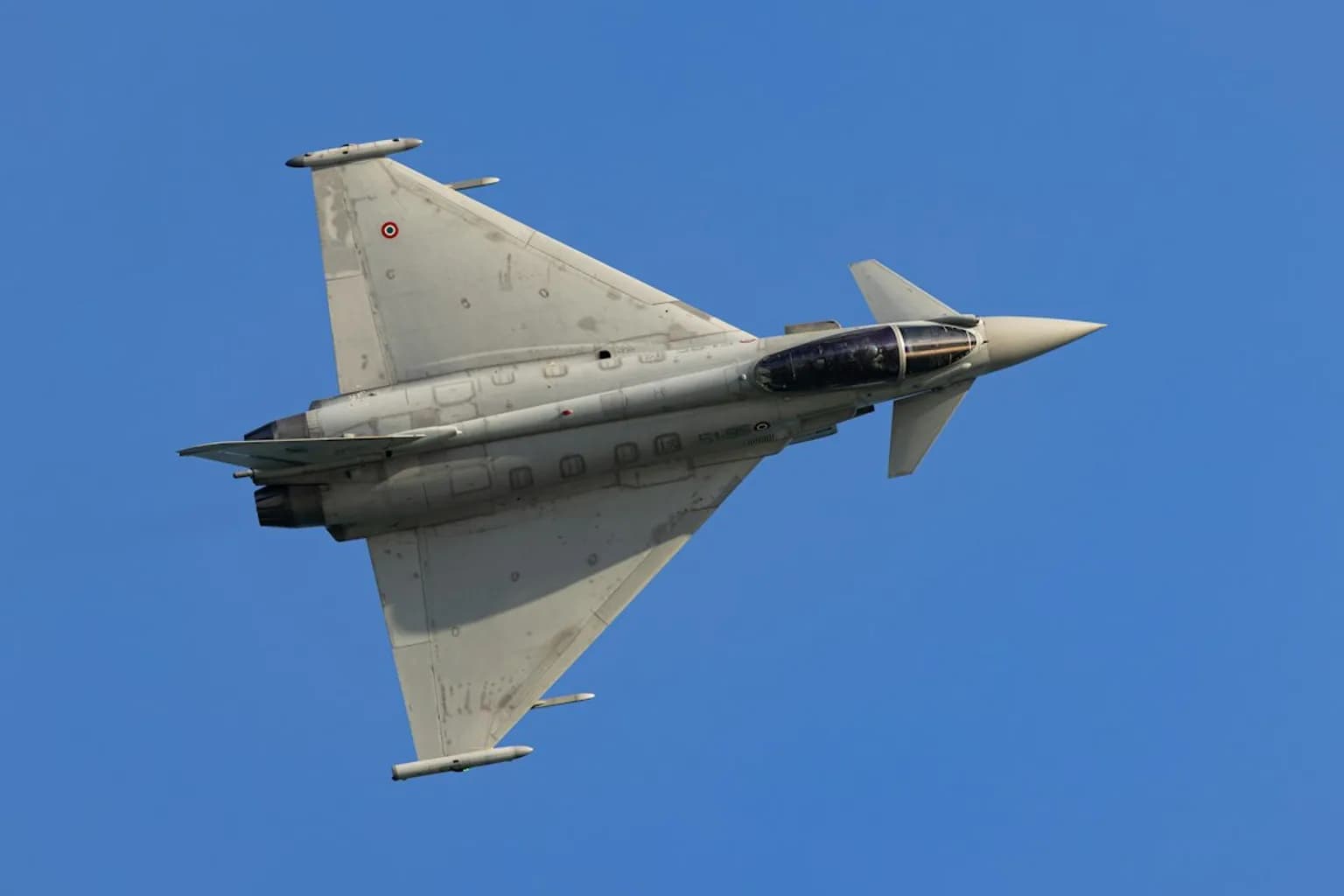
In June, Chancellor Merz and French President Emmanuel Macron abandoned their plan to build Europe’s next-generation fighter jet, bringing the Future Combat Air System, or FCAS, to an end after years of industrial disputes between Germany’s Airbus Defence and France’s Dassault.
Germany must now decide whether to join an established programme with Britain, Italy and Japan or develop a new aircraft with Sweden and Spain. Britain’s Global Combat Air Programme, known as GCAP, is its next-generation fighter project with Italy and Japan.
Berlin became a focus of fighter-jet diplomacy earlier this month when British Prime Minister Andy Burnham visited and offered Germany a place in GCAP.
Within the German government, the decision has brought competing priorities into view. Defence ministry assessments favour a new programme with Sweden and Spain, citing military requirements and the prospects for German industry. Internal ministry assessments recommend that course rather than joining GCAP.
Chancellery officials see diplomatic benefits in closer alignment with London. German officials also fear that joining GCAP would leave domestic industry with little influence over key technologies and production.
In September, Defence Minister Boris Pistorius described the problem to lawmakers: ‘On the one hand, all countries want to support their national industries. At the same time, everyone... also wants joint European armaments projects. Resolving this dilemma is no simple matter.’
Merz is scheduled to visit Japan on Wednesday, creating an opportunity to discuss Germany’s possible participation in GCAP. Japan’s approval would be essential to any German entry, and Tokyo is particularly concerned with keeping the 2035 deadline because its ageing F-2 fighter jets are due to begin retiring around then.
Germany is also planning a military satellite communications network that could cost €10 billion. It aims to meet NATO’s core defence spending target of 3.5 percent of GDP by 2029.



Comments (0)