
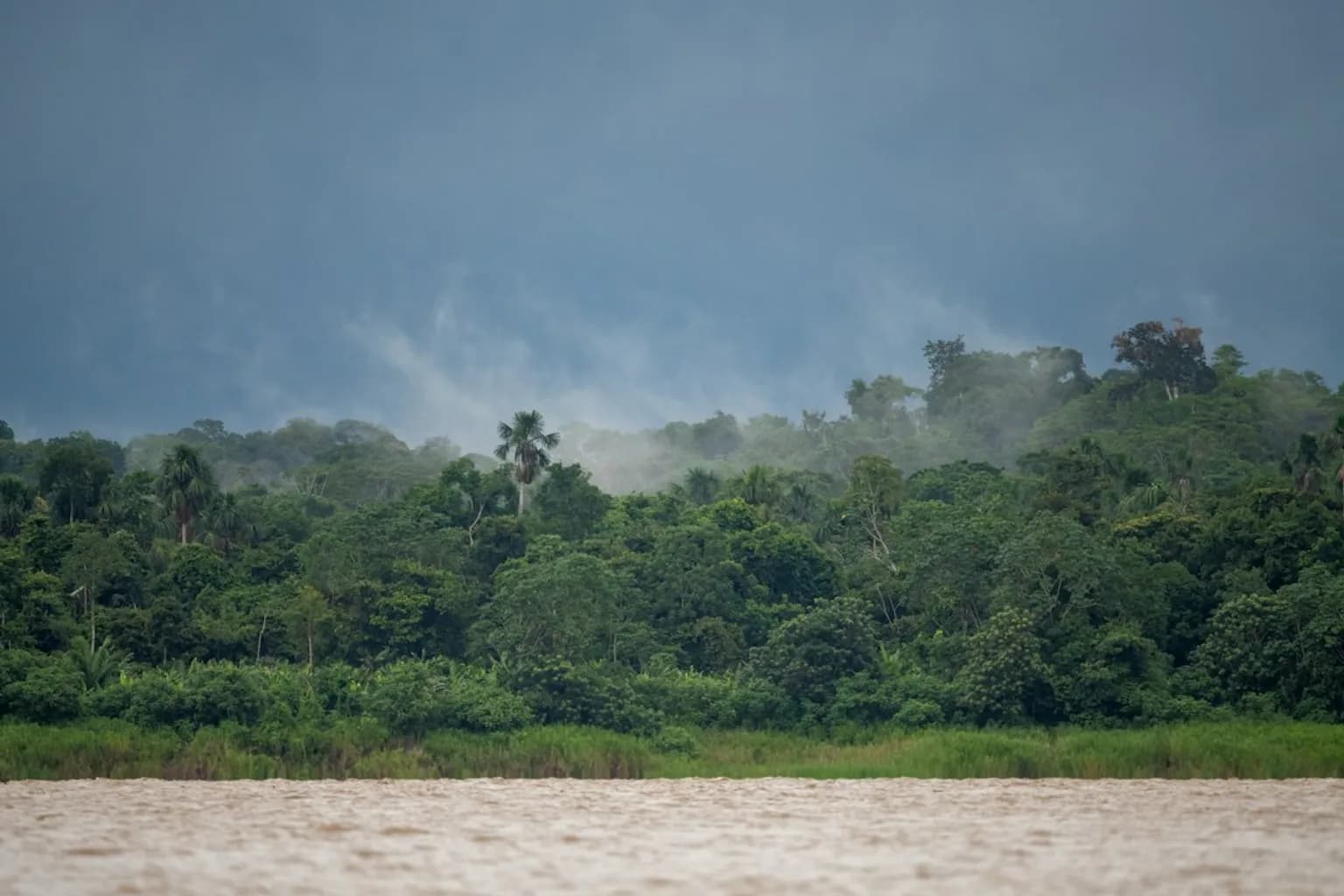
For 15 years, planes criss-crossed the skies over the Amazon, collecting atmospheric samples that allowed scientists to track carbon levels above the forest.
The data covered wet periods with little human interference, periods of heavy deforestation with minimal climate stress, and periods of acute stress that included droughts, wildfires and El Niños.
The resulting study, published in Nature, found that the Amazon may shift from a net carbon sink to a net source of atmospheric carbon.
That finding challenges the long-held view of the rainforest as a system that stores carbon in living vegetation. Even in wet years when forests were relatively undisturbed, the Amazon was a net source of carbon, though only a small one.
Emissions rose sharply in years when the climate was mild and deforestation increased. The highest emissions came in years when substantial human activity coincided with climate stressors.
Jen Johnson, a climate scientist at the University of Kansas and a co-author of the study, said action to reduce deforestation to zero was needed to manage the Amazon’s net carbon emissions.
Johnson also pointed to concern over a potential tipping point, in which gradual drying and forest loss feed back on each other in a self-reinforcing cycle. Such a transition could shift the Amazon from an ecosystem that has stored huge amounts of carbon in living vegetation towards drier forests or other ecosystem types that store far less carbon, she said.


Comments (0)