
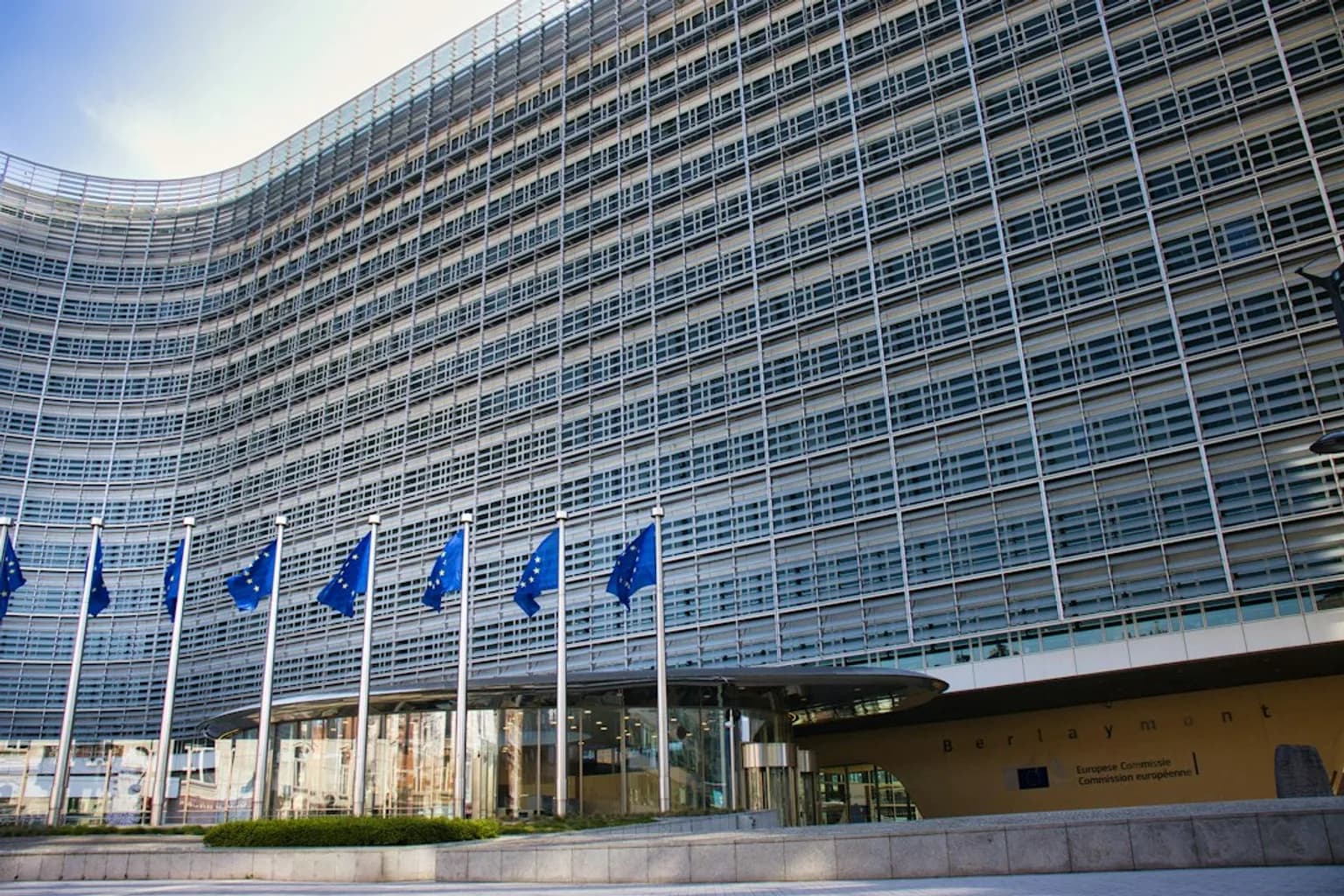
Ursula von der Leyen, the European Commission president, has set out a simple principle for a new effort to reshape European supply chains: “no critical dependence on a single supplier.” She has said DiversifyEU will apply without singling out countries and will help European companies broaden their supply chains.
The Commission plans to present three instruments on 9 December aimed at reducing EU industry’s dependence on Chinese suppliers. The proposal has put Brussels on a collision course with business groups that say critical alternatives often do not exist.
The central measure, DiversifyEU, could require companies in key sectors to broaden their supplier base. The Commission could use tariffs, or incentives linked to public contracts and subsidies, to do so.
Two further measures would address the consequences of trade disputes. A solidarity mechanism would create a compensation pool for businesses facing retaliation, while a rapid-response trigger would allow the EU market to be closed to countries engaged in active distortion or coercion.
For carmakers, the question is one of material constraints. The European Automobile Manufacturers’ Association says there is little or no alternative supply base for rare earths, magnets, battery materials, displays and some semiconductors. Europe also lacks the industrial ecosystem to provide one, it said.
The association said: “Europe will not match Chinese costs or become fully independent of China, nor does it need to.” It argued that diversification works when alternative suppliers are commercially viable and qualified, while mandates cannot create a supply base that has yet to emerge.
The Federation of German Industries has likewise greeted the plan with scepticism. It supports stronger diversification and resilience, it said, while opposing new reporting requirements and binding mandates. The group also considers tariffs, which are being discussed in this context, an inadequate means of encouraging diversification.
Business groups and companies have accused Brussels of regulatory overreach, saying the measures could raise costs and leave them facing impossible decisions. The dispute now turns on whether the EU can reduce a strategic dependence while preserving the competitiveness of industries that still rely on Chinese inputs.



Comments (0)