

Three years before she sought medical care, a 42-year-old woman living in Somaliland experienced what seemed to be a pregnancy. Her abdomen grew and she felt what she perceived as ‘fetal movements.’
The movements later stopped. Her abdominal growth halted and the enlargement gradually subsided, though she did not seek medical care during or after the apparent pregnancy.
She eventually went to hospital after three years of chronic, dull lower-abdominal pain and a feeling of heaviness that had become worse in recent months.
Doctors found a hard, irregular mass reaching to her belly button that barely moved under examination. Blood tests also showed mild anemia, meaning she had fewer healthy red blood cells than normal.
An ultrasound showed a calcified mass and an empty uterus. A CT scan then identified fetal skeletal structures within the mass, including a skull, spinal column, ribs, and arm and leg bones. The mass measured roughly 7 by 5 inches (18 by 13 centimeters).
Doctors concluded that she had a lithopedion, also called a ‘stone baby’, in which the remains of a dead fetus become encased in calcium deposits. The name comes from the Greek words ‘lithos’, meaning stone, and ‘paidion’, meaning child.
Lithopedions most often begin with an abdominal pregnancy, an ectopic pregnancy in which an embryo implants on the lining of the abdominal cavity. If a fetus dies after reaching a stage at which the body cannot naturally absorb it, the immune system can treat the tissue as a foreign object and calcium may progressively build up around the remains.
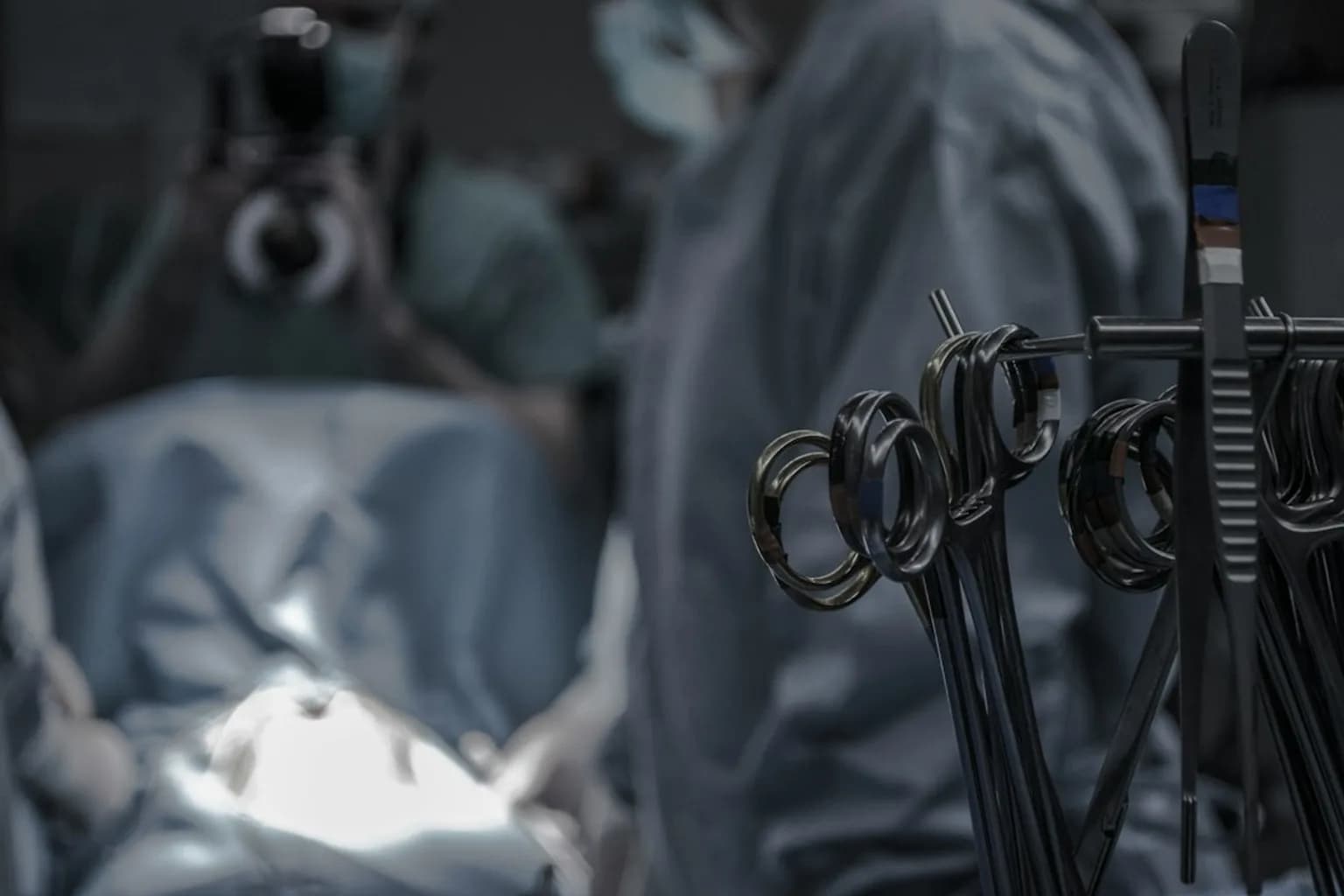
Surgeons removed the calcified fetal mass completely from her pelvis through abdominal surgery.
She developed a mild fever and nausea the day after the operation, both of which resolved with treatment. Follow-up visits over the next six months found that she had healed well and that her abdominal pain had completely resolved.
Only about 340 lithopedion cases have been documented in medical literature over the past 400 years, with the earliest recorded in 1582. Many recent cases have been diagnosed in postmenopausal women, while this patient was 42 years old.
The case highlights difficulties in maternal healthcare in resource-limited settings such as Somaliland, where limited access to routine prenatal care and early pregnancy scans can delay diagnosis.



Comments (0)