
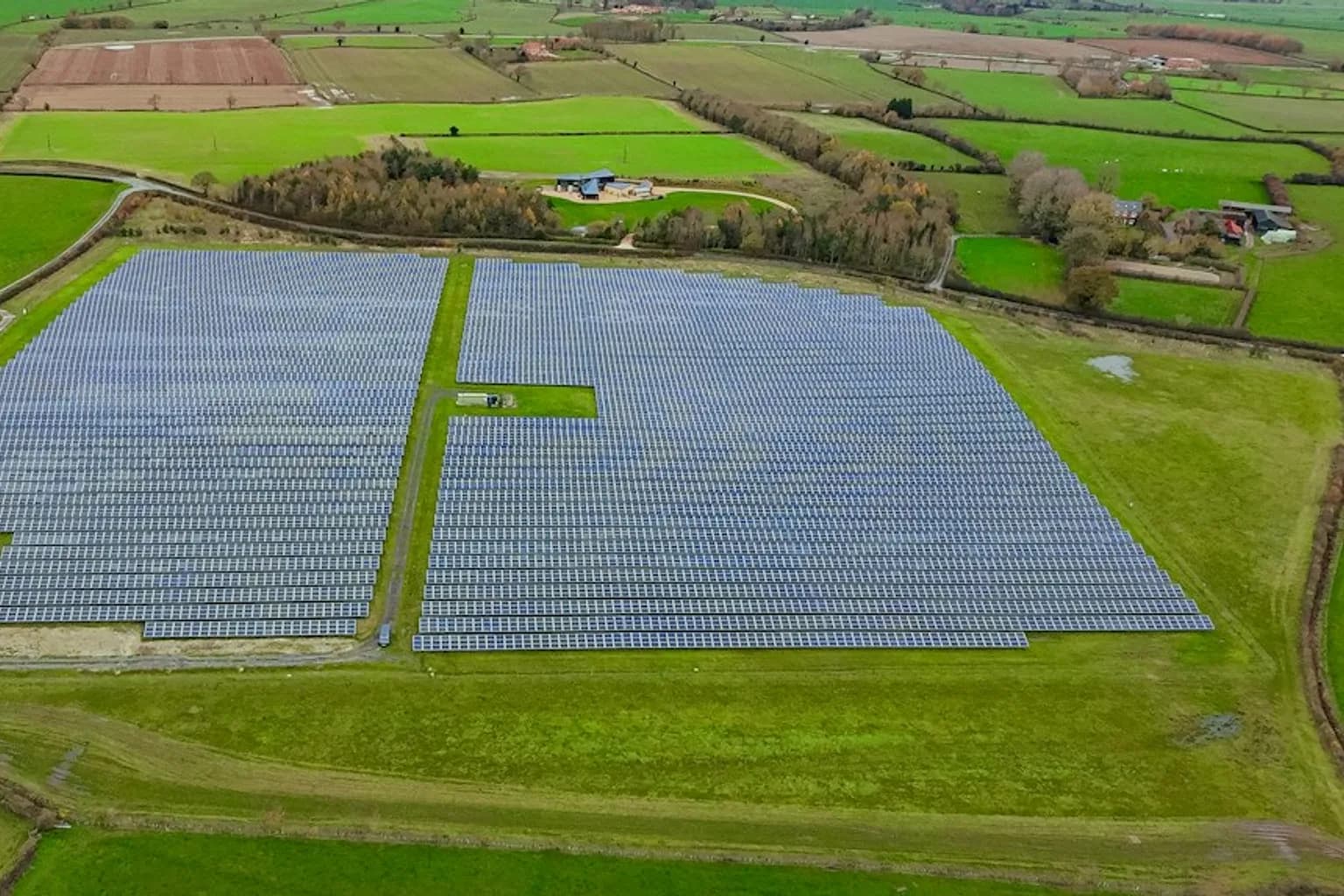
Solar electricity generation overtook nuclear power globally in 2025. BBC analysis of Ember data found that solar produced 13% more power than nuclear over the 12 months up to September 2026. Solar will almost certainly increase to 10% of power in 2026.
A decade ago, solar supplied just 1% of the world’s power. It became the cheapest electricity in history in 2020. A large fall in panel prices followed in 2023-24.
The change in scale has been stark. Solar electricity has increased roughly 2,700-fold, while nuclear generation has remained more or less constant since 2000. A solar panel costs well under $100 (£75) and will generate electricity for 30, 40 years without any input.
In 2025, solar met three-quarters of the growth in the world’s demand for electricity, overtaking wind power generation. The expansion is visible in national electricity systems. In Pakistan, solar supplied less than 2% of electricity in 2019 and now provides 24%. In India, new solar has met 60% of the rise in power demand in the past two years.
The US now has enough solar to power more than one-third of its households. More than four million homes in Australia have rooftop solar, well over a third of all households.
California offers one example of how solar is contributing beyond daylight hours. Solar and batteries met, on average, over a quarter of electricity demand from 19:00-21:00 over the first half of 2026. Between 2019 and 2022, rising wind and solar generation brought the US $249bn (£186bn) in climate and health benefits.



Comments (0)