
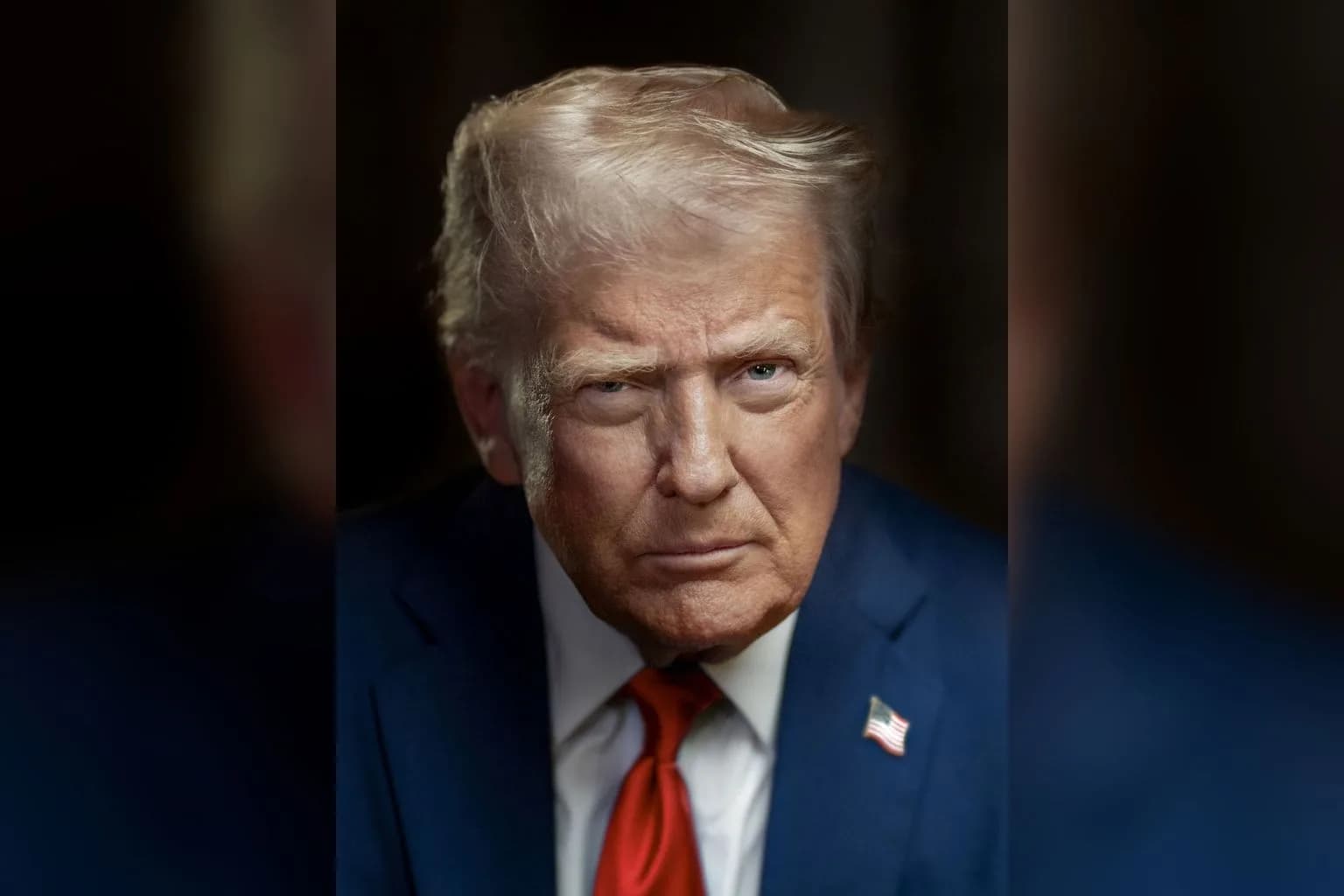
At a campaign stop in Lubbock, Texas, on Tuesday (27 October 2026), Donald Trump held out the prospect of an end to the eight-month-old conflict with Iran within “in a couple of weeks, if you don't mind”.
The US president has repeatedly said he is weighing fresh military action after the November 3 midterm elections. He also discussed the possibility of military action at a Friday rally in Fort Myers, Florida. When asked about a post-election attack, he said: “anything is possible”.
Trump has yet to make a final decision on new strikes. US officials have nevertheless told several West Asian countries and regional allies to prepare for potential renewed military action after the elections, describing a campaign that could last several days.
Those preparations reflect the concern among regional officials that Iran and its proxy groups could answer with attacks of their own. US officials have urged allies to take precautions against possible retaliatory strikes on energy facilities and other crucial infrastructure, a response that could extend the fighting.
The military posture is already growing. Late last month, the Pentagon sent the USS Theodore Roosevelt and amphibious landing ships carrying Marines, roughly 9,000 troops, from San Diego to the Persian Gulf. One US official said the deployment could produce an unusually large force of more than 20,000 sailors and Marines, alongside hundreds of aircraft.
American forces are stocking munitions and readying bombers and fighter jets for possible new strikes. The US military is also sending an additional Patriot system to Israel to strengthen its missile defences.
Trump launched the conflict with Israeli Prime Minister Benjamin Netanyahu on 28 February 2026. The Pentagon's latest estimate to Congress puts the cost to American taxpayers at $47.1 billion.
A preliminary peace agreement collapsed in July after Tehran resumed attacks on commercial shipping in the Strait of Hormuz. Trump and his envoys have since struggled for months to restore negotiations.
Special envoys Steve Witkoff and Jared Kushner met Iranian leaders in Qatar-mediated talks held on the sidelines of last month's United Nations General Assembly in New York. Iranian Foreign Minister Abbas Araghchi said on Wednesday (28 October 2026) that Tehran “continues to give diplomacy a chance to succeed”.
Trump has described any new conflict as “very quick”. He has also said it must “end properly”, with Iran never having a nuclear weapon.
That remains difficult to square with the risk of retaliation foreseen by US officials and regional allies. It also comes after the GOP-led House and Senate each voted this year to order Trump to end the war.
Comments (0)