
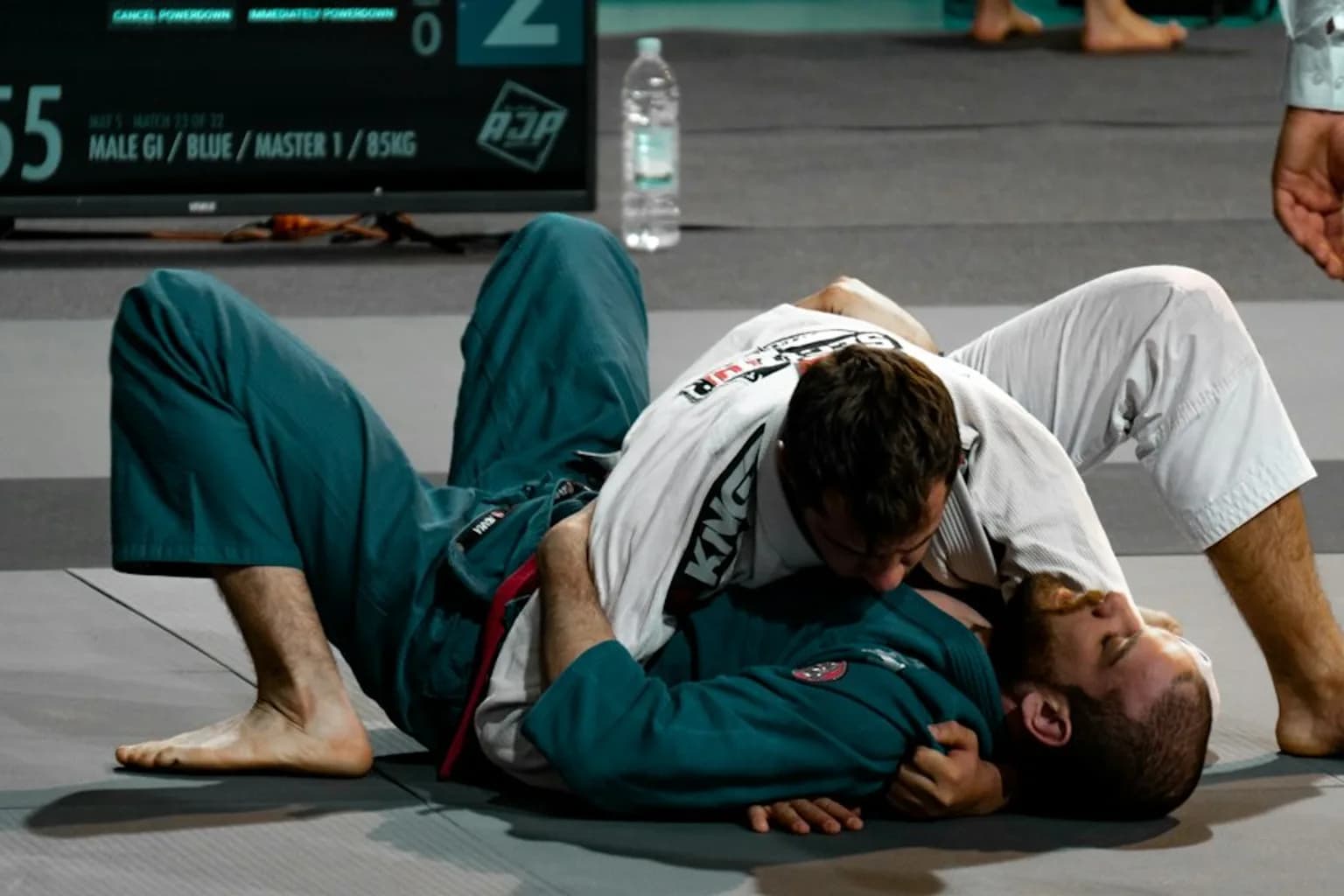
When the International Judo Federation fully restored Russian athletes’ right to compete under their national flag in November 2025, it became the first major sports organisation to take that step since Russia’s full-scale invasion of Ukraine began in 2022. The federation has been led since 2007 by Marius Vizer, an Austrian-Romanian executive.
For EU officials, the decision has become part of a wider contest over Russia’s return to world sport before the Los Angeles Olympics in 2028. A European External Action Service document dated 16 September sets out possible responses, including sanctions against athletes and withdrawing EU funding from sports federations that readmit Russia.
The officials said the International Olympic Committee’s unresolved position on flags, anthems and team colours “leaves scope for coordinated EU action to prevent the normalisation and political instrumentalisation of sport while the war of aggression continues.”
The dispute follows a sharp reversal from the early days of the war. In late February 2022, the IOC urged international federations to exclude Russian and Belarusian athletes from all competitions.
By late 2023, the IOC had decided that Russian and Belarusian competitors could take part in the 2024 Summer Olympics as neutrals, a policy also used for the 2026 Olympics. Sports bodies began bringing Russian athletes back from 2023, and some federations began allowing the Russian flag and anthem again from 2025.
On 7 July, the IOC temporarily lifted the suspension of the Russian Olympic Committee’s activities and recommended that federations remove restrictions on Russian athletes.
Vizer’s federation has particular ties to Russian judo. Putin met Vizer and the International Judo Federation’s honorary vice-president, Sándor Csányi, over tea in Budapest in 2019.
Putin remains honorary president of the Yavara-Neva judo club in St. Petersburg. He was suspended as honorary president of the International Judo Federation days after Russian tanks entered Ukraine.
Arkady Rotenberg took over Yavara-Neva in 1998, when Putin headed the country’s Federal Security Service and had called for the club’s creation. Rotenberg later served on the International Judo Federation executive committee from 2013 to 2022.
Vitalii Dubrova, head coach of the Ukrainian Judo Federation, said: “Russia uses propaganda to promote the idea that sport is apolitical, while money and influence help it regain its place in international sport.”
Ukraine’s objection is sharpened by the damage at home. Nearly 90 stadiums have been damaged or destroyed since the full-scale invasion, and Russia bombed one of Ukraine’s biggest football stadiums in Kharkiv in late September.
Nine European nations have asked the EU to end financial support for international sports bodies including the IOC. Whether the measures in the 16 September document will be adopted remains unknown.
The argument over political neutrality also reaches beyond judo. A BBC investigation found that 13 athletes who competed under a neutral banner at the 2026 Winter Olympics had taken part in pro-war activities.
In September, Russian hockey player Alexander Ovechkin appeared in a campaign advertisement for Putin-backed United Russia and called Putin “my president” after the full-scale invasion began in 2022.
At the Washington Capitals’ home opener on 7 October, pro-Ukraine demonstrators gathered outside Capital One Arena to protest Ovechkin’s ties to Putin.
Football has brought another test. FIFA listed a Russian side for its boys’ Under-15 World Cup and Festival in Azerbaijan in September, the first appearance by a Russian team in a FIFA tournament since the full-scale invasion began in 2022. Ukraine called for a boycott of the event.
The EU’s proposals remain options rather than policy. Yet the stakes are already clear: Russian reintegration is advancing from neutral participation towards national representation, while Ukraine is asking sports bodies to keep the consequences of the war in view.
Comments (0)