
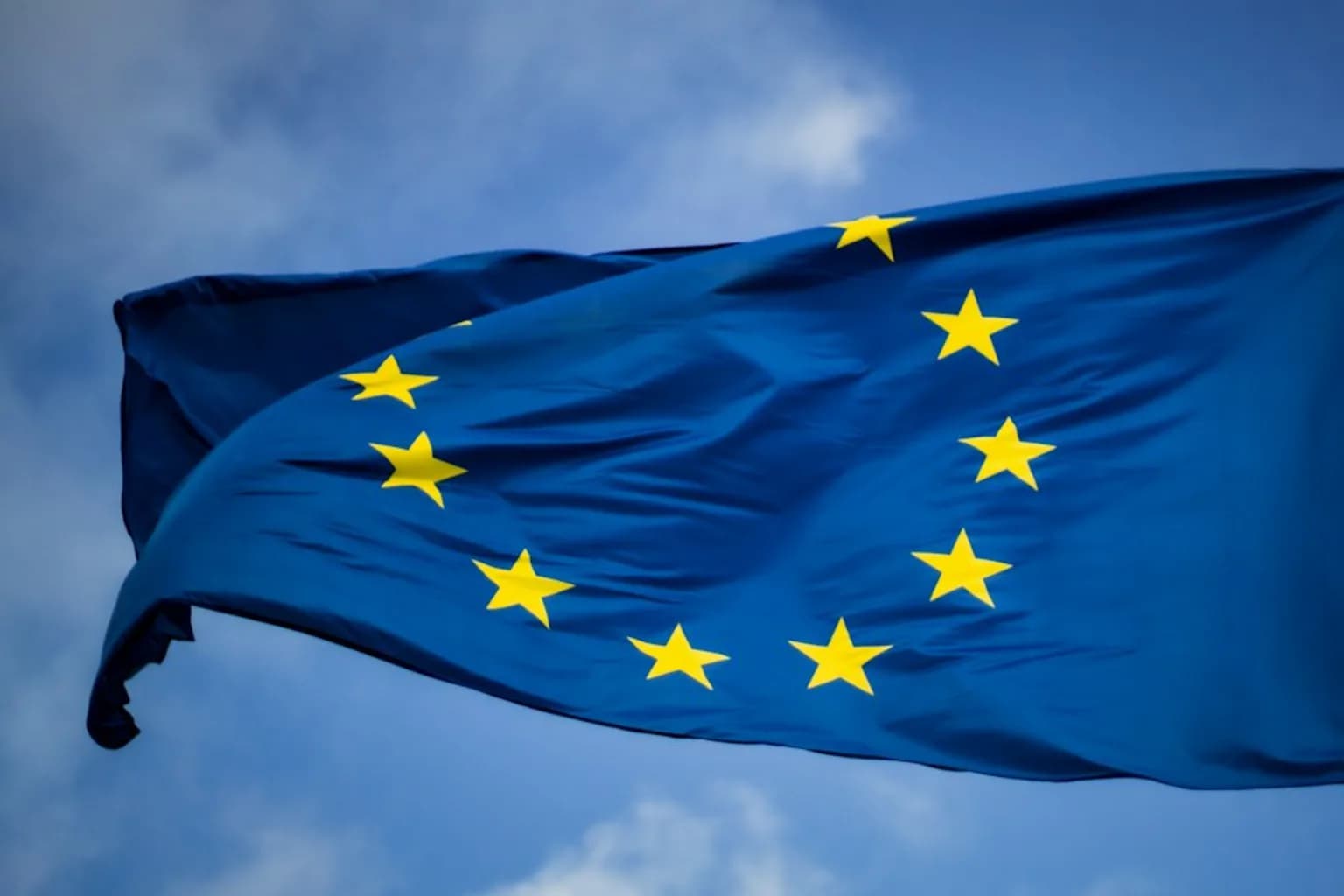
In Rotterdam, three Russian gymnasts were kept from a world championship that offered the first stage of team qualification for the 2028 Olympics in Los Angeles. The Netherlands denied visas on 13 October to Angelina Melnikova, Viktoria Listunova and Anna Kalmykova after Schengen area members considered them a threat to international relations.
Melnikova has backed Russian President Vladimir Putin and stood in local election primaries for the ruling United Russia party. Listunova has publicly supported Russian aggression in Ukraine and had previously been denied a visa for a competition in Croatia in August. Kalmykova holds a sports contract with the Russian National Guard.
The World Artistic Gymnastics Championships ran from 17 to 25 October in Rotterdam. The visa decision showed one route available to European governments as they try to respond to a broader return of Russian athletes to international sport.
An internal European External Action Service document dated 16 September sets out possible EU measures intended to prevent that return. The proposals include personal sanctions, visa restrictions, ending funding for sports federations and pressure on competition organisers through broadcasters and sponsors. Organisations that admit Russian teams under national symbols could lose EU funding, while Russian athletes competing under those symbols could face visa restrictions.
Advertisement
EU governments have yet to agree on which steps to take, or how far states should intervene in decisions made by sports federations. Diplomats expect the European Commission and the diplomatic service to bring forward further proposals before EU ministers responsible for education, sport and culture meet on 20 November.
The dispute follows a steady loosening of the restrictions imposed after Russia’s full-scale invasion of Ukraine began in 2022, when international federations barred Russian and Belarusian athletes. At the Paris Olympics in 2024, Russian and Belarusian competitors who were permitted to take part did so without flags, anthems or other national identification. By that year, World Gymnastics and other federations had allowed athletes from both countries to compete as “neutral athletes”.
In November 2025, Kirsty Coventry, the head of the International Olympic Committee, said that “every eligible athlete, team and official should have the opportunity to participate without discrimination or political interference”. Brussels officials fear her position could speed Russia’s return to international sport.
In February, six Russian paralympians were granted the right to compete under the national flag at the Milan Paralympics. World Gymnastics then lifted its ban in May 2026, allowing Russian and Belarusian gymnasts to compete under their national flags. Gymnastics, aquatic sports, wrestling, judo, taekwondo and weightlifting federations have begun lifting restrictions on Russians competing with national symbols.
In July, the IOC provisionally lifted its suspension of the Russian and Belarusian Olympic Committees, a step that could enable a fuller return for the 2028 Los Angeles Olympics. The World Curling Council has taken a different course, extending the suspension of Russian adult athletes from international competitions until the end of 2026 in a decision adopted on 10 August.
European leaders agreed at a summit in June that Russia’s participation in international sporting and cultural events should not return to normal until a just and lasting peace is achieved in Ukraine. In July, nine EU countries called for funding to stop going to sports organisations that allow Russian and Belarusian athletes to compete.
The EU document also proposes a wider coalition against Russia’s return, including the United Kingdom, Norway and Switzerland. Whether those governments, EU member states and autonomous sports federations can sustain a common position remains unresolved.
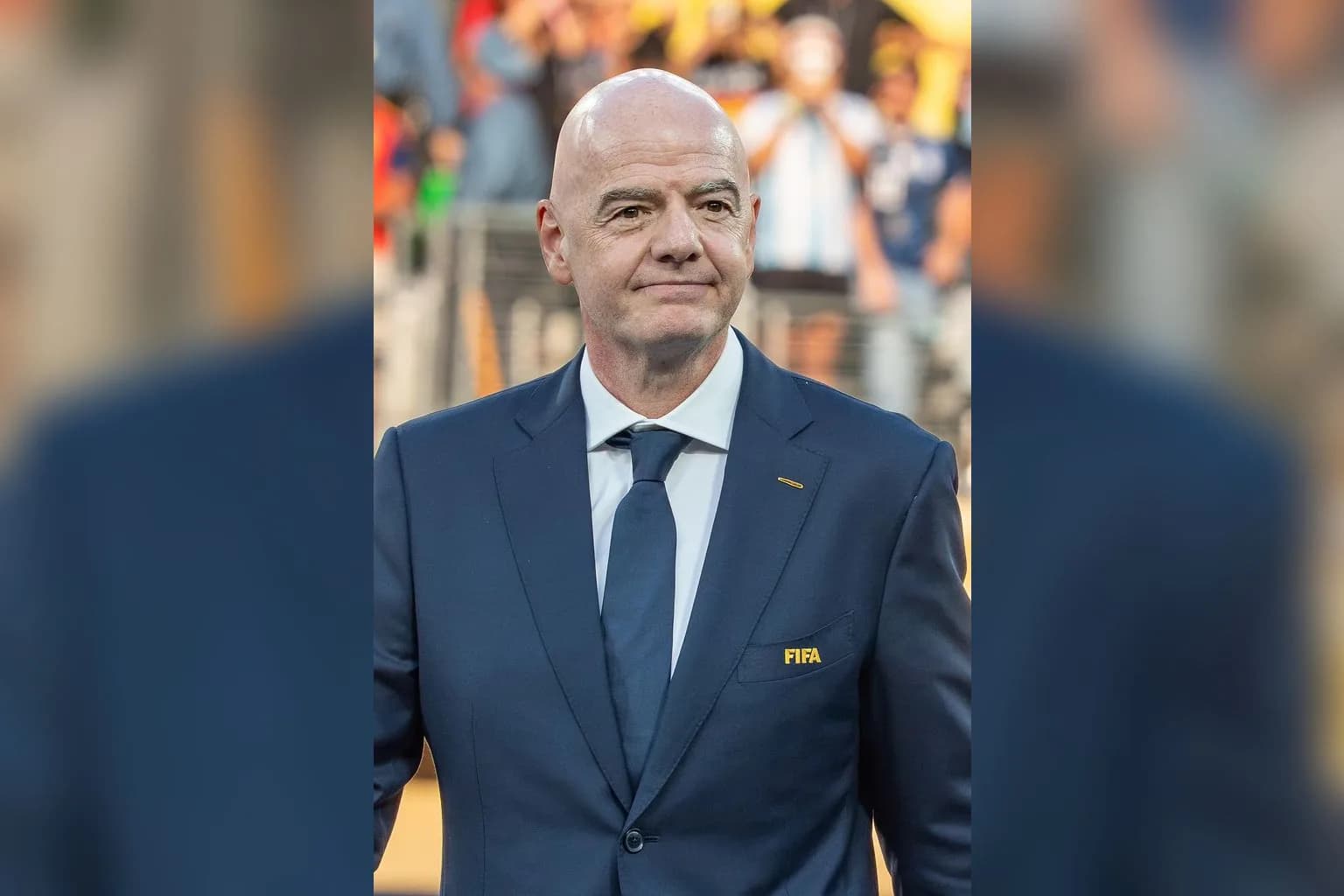
Ukraine has pressed the case against normalisation. Matvei Bednyi, the Ukrainian sports minister, told Politico that the IOC “effectively performs a pressure relief valve function for Russia”. Andrii Sybiha, Ukraine’s foreign minister, criticised FIFA president Gianni Infantino after he spoke in favour of lifting restrictions on Russian teams. Sybiha said that 679 Ukrainian girls and boys would never be able to play football, and blamed Russia for their deaths.
Advertisement
Comments (0)