

Ursula von der Leyen used her State of the Union address on 16 September to put the European Union’s trade imbalance with China in human terms. A deficit of €1 billion a day, she said, “leads to deindustrialisation in the industrial heartlands of Europe”.
The Commission president said the deficit “has reached a tipping point” and said the EU would “use all the tools to rebalance our relationship” with China. EU leaders had already instructed the Commission at the June 2026 European Council to develop workable policies in response to what has been called the “second China shock”.
The pressure is visible in the trade figures. EU imports from China reached €559.5 billion in 2025, while the goods deficit was €359.9 billion, up from €312.2 billion in 2024. The deficit has grown consistently over the past decade and now amounts to around 2 percent of annual EU GDP. Von der Leyen has put its daily value at €1bn.
The EU is now weighing faster trade defence measures, a “Buy European” industrial policy and a diversification instrument. France and Germany have pressed for stronger European tools against what they see as unfair commercial practices by Chinese companies.
Advertisement
On 5 October, the two countries circulated a non-paper proposing those measures and raising whether Chinese investors in strategic industries should offer stronger commitments on technology transfer. Emmanuel Macron has argued that a European response is the one that can work against unfair Chinese competition. He discussed technology-transfer requirements for Chinese investors in strategic industries. Pedro Sánchez backed Macron’s call for greater European unity during Macron’s state visit to Madrid.
Several EU governments have also discussed a mechanism partly modelled on Section 301 of US trade law. The US provision allows Washington to investigate foreign trade practices and impose countermeasures. A proposal for the diversification instrument is expected around the turn of the year.
The design and powers of any new EU tool have yet to be set out. The Commission already investigates allegations that dumped or subsidised imports from third countries are harming EU producers. Trade defence measures, including anti-dumping and anti-subsidy duties, are intended to protect European production from distortions in international trade.
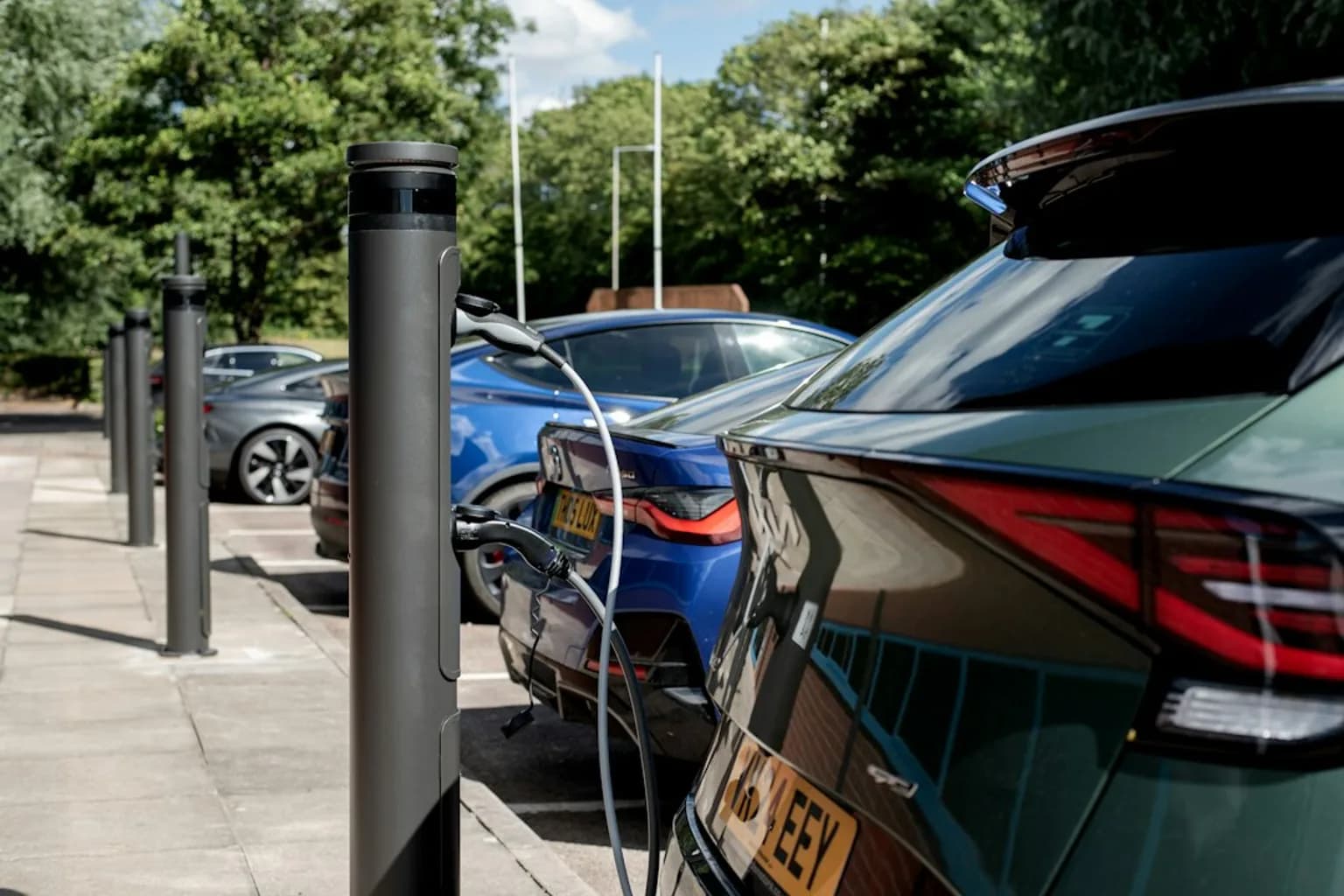
The EU has used such powers against Chinese battery electric vehicles. It imposed countervailing duties after an investigation found that state subsidies had given Chinese manufacturers an unfair advantage in the European market.
The dispute reflects a change in the industries facing Chinese competition. China’s accession to the World Trade Organization in 2001 brought the first China shock, disrupting light industries including clothing and furniture. China subsequently began competing directly with the euro area in close to 40 per cent of the sectors where Europe holds a comparative advantage, up from around 25 per cent in the early 2000s.
China’s “Made in China 2025” industrial strategy has brought high-profile sectors, including electric vehicles, into the dispute. Germany is particularly exposed through its core industries of cars, machinery and chemicals. Its manufacturers are facing stronger Chinese competition at home and in third markets, while also losing exports to China in those sectors.
Chinese exports in August 2026 were 25% higher year-on-year. Rising demand for high-technology and AI-related products drove Chinese export performance in 2026, alongside state-backed industrial policy.
China’s Ministry of Commerce has said it would “resolutely respond” if the EU introduced trade restrictions aimed at Chinese companies or products. The ministry has also warned that tougher measures introduced while trade talks continue would damage trust.
Advertisement


Comments (0)