
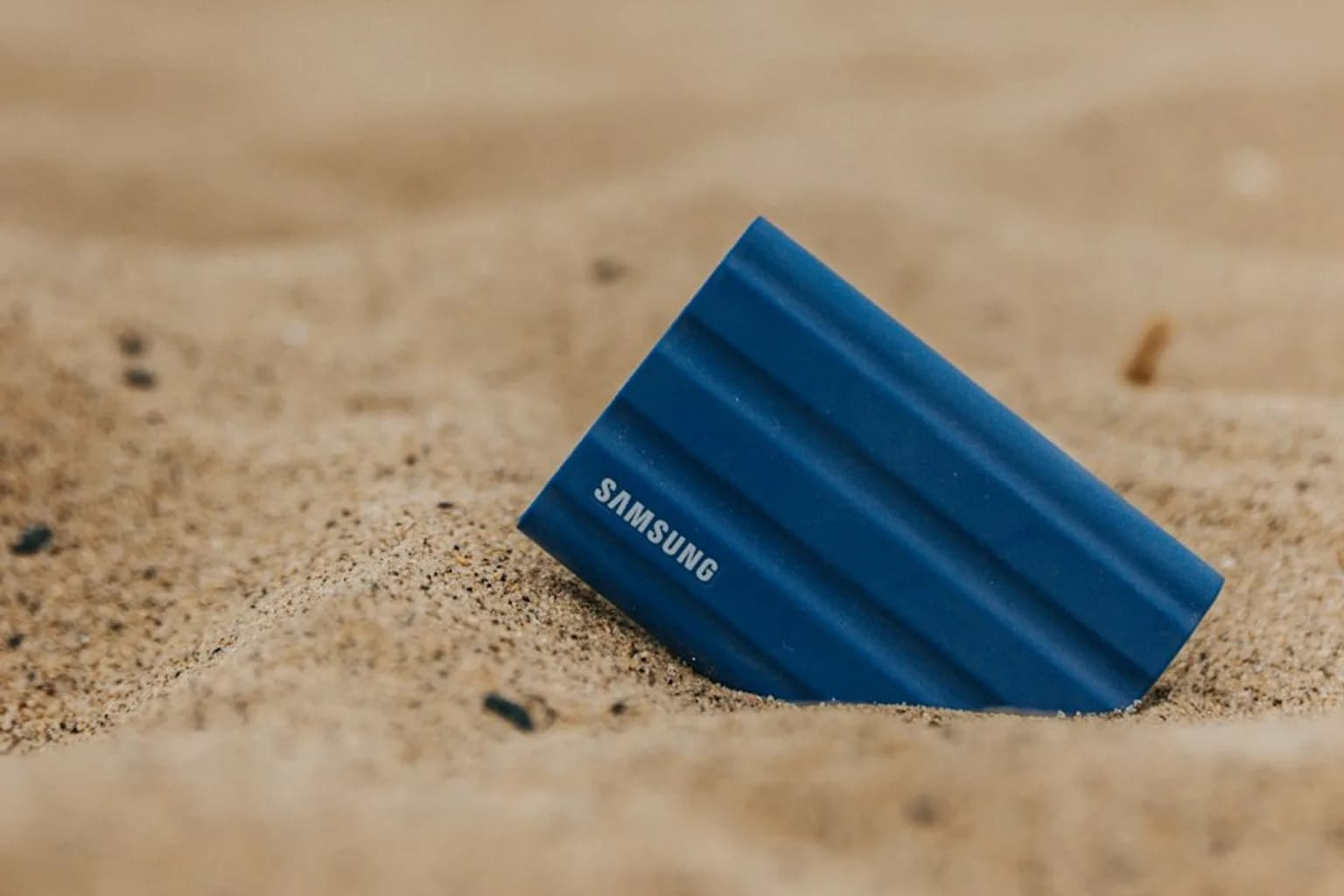
Samsung SDI has cleared Japan’s cybersecurity requirement for grid-connected equipment and is setting its sights on sales of 2GWh in the country by 2030. The Korean battery maker received JC-STAR certification last year for its SBB 1.0 and SBB 1.5K energy storage system lineup, with its target amounting to 10 times the 2026 projected figures.
The opportunity comes from a rule that has shut out major Chinese competitors from a market where reliable storage is increasingly important to the electricity grid. Japan mandated JC-STAR certification from April 2026 for equipment connected to the grid, a measure intended to prevent power grid terrorism and national information leakage.
JC-STAR is a cybersecurity compliance assessment and labelling system for Internet of Things products, announced by Japan’s Ministry of Economy, Trade and Industry. The ministry’s Information-technology Promotion Agency conducts the reviews.
Approximately 50 companies from Japan, South Korea, the United States, Germany and Taiwan have secured certification. Huawei, Sungrow, BYD and CATL have secured none, while Chinese battery suppliers have failed to pass local Japanese certifications.
Advertisement
That has created an opening for Korean and Taiwanese manufacturers in Japan’s grid storage business. Samsung SDI states that its batteries cost 20-30% more than Chinese manufacturer products and 20-30% less than products from Japanese manufacturers.
Cold Electric, a Taiwanese battery energy storage system manufacturer, obtained JC-STAR certification in August. It is working with Yuasa M&B, an Osaka-based battery distributor, to build sales in Japan.
Japan’s first energy storage facility using Cold Electric products is expected to begin operating by the end of this year. Cold Electric plans to expand production capacity at its Taiwan factory 9 times, to 3 gigawatt-hours (GWh) by 2028.
Formosa Plastics Group, another Taiwanese battery manufacturer, is expected to receive JC-STAR certification by year-end. It plans to increase production capacity 5 times to 10GWh by 2029 and aims to sell 3GWh annually of battery storage devices in Japan.
A battery energy storage system stores electricity generated from renewable sources such as solar and wind, then supplies it when customers need it. In front-of-the-meter systems, the storage is connected to the electricity grid to regulate and balance energy flows.
Japan’s power storage facilities are expected to reach operating capacity of 100GWh by 2040, equivalent to operating 1-2 new nuclear power plants annually, according to RTS, a Japanese consulting firm specialising in photovoltaic and renewable energy.
The wider battery energy storage system market grew from $51.48 billion in 2025 to $64.48 billion in 2026, a compound annual growth rate (CAGR) of 25.2%. It is expected to reach $153.64 billion in 2030, with a CAGR of 24.2%.
Tariffs have increased prices for imported lithium cells, battery modules, inverters and control components, especially those from major Asian suppliers. They are also encouraging domestic cell manufacturing, local supply networks and alternative battery chemistries.
Advertisement

Comments (0)