
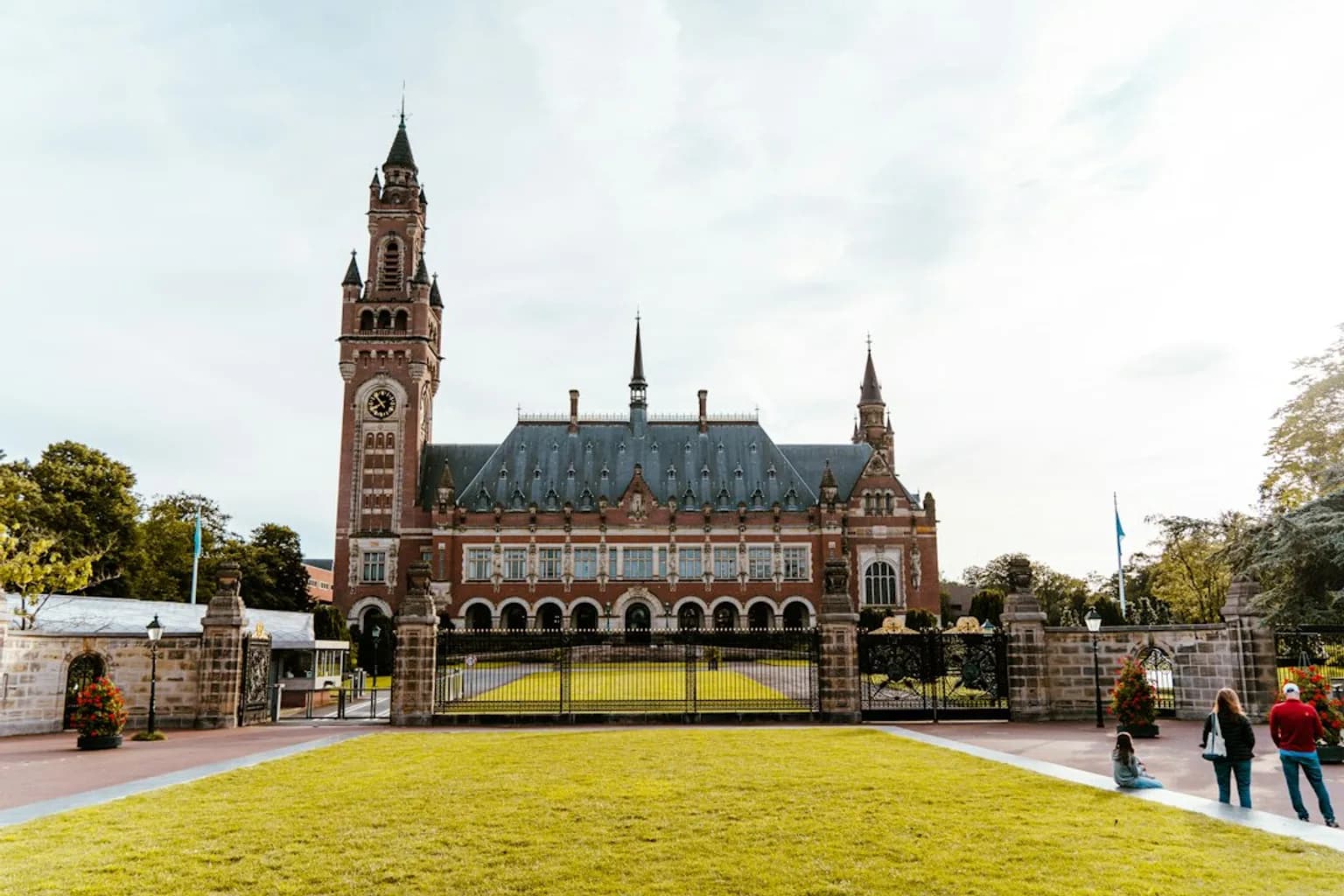
The International Criminal Court issued arrest warrants for Israeli Prime Minister Benjamin Netanyahu and former Defense Minister Yoav Gallant on charges of war crimes and crimes against humanity in Gaza. Netanyahu and Gallant rejected the accusations.
In February 2025, the Trump administration answered with an executive order aimed at ICC personnel and people assisting the court’s investigations. It warned of tangible and significant consequences for people involved in inquiries Washington considered a threat to US national security or that of its allies, including Israel.
For Taxpayer Alliance Against Genocide, the risk was immediate. The group had been created to prepare submissions to the ICC, yet withheld them because of concerns about prosecution. Democracy for the Arab World Now, which had routinely filed war-crimes evidence under Article 15 of the Rome Statute, was also among the groups challenging the order.
The order exposed the groups to civil fines of up to $377,700 and criminal penalties of up to 20 years in prison under the International Emergency Economic Powers Act.
Advertisement
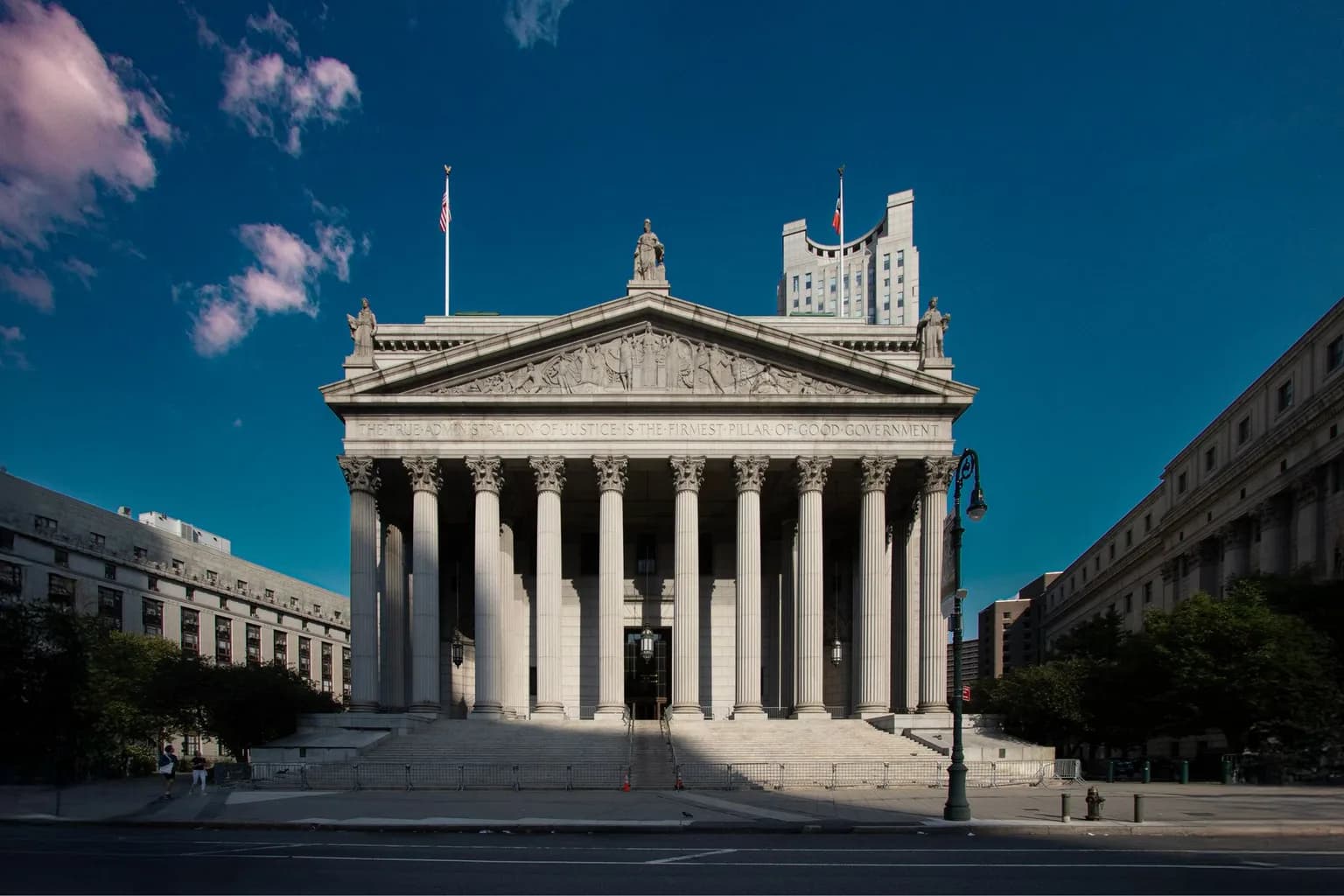
Judge Jesse M. Furman of the US District Court for the Southern District of New York has now granted the two groups a preliminary injunction in a 30-page order. The ruling temporarily blocks the administration from imposing those sanctions on Democracy for the Arab World Now, known as DAWN, and Taxpayer Alliance Against Genocide, or TAAG.
The legal question was whether the government could impose those consequences on the groups for their speech-related work with the court. Furman found that the February 2025 order was likely to violate their First Amendment rights because it regulated their speech-based activities by content and could not meet the legal test of strict scrutiny.
DAWN and TAAG brought their challenge during the summer.
Furman pointed to a separate case brought by two law professors, in which a court reached the same First Amendment conclusion about the executive order.
The judge’s order is narrower than the organisations had requested. He did not declare the executive order unconstitutional on its face, refused to enjoin the president and declined to bar enforcement against all other people or groups.
The rights groups said they would immediately resume providing evidentiary documentation to the ICC and restart formal coordination with UN Special Rapporteur Francesca Albanese and the Palestinian human rights organisations Al-Haq, Al Mezan and the Palestinian Centre for Human Rights.
In a separate lawsuit, 38 civil society organisations, including Amnesty International and the International Federation for Human Rights, known as FIDH, received permission from the same New York court to file a brief. They argued that ICC sanctions were disrupting groups that the government had never designated.
The broader effect of the sanctions threat had already reached beyond the two plaintiffs. The Coalition for the International Criminal Court, a network active in 150 countries, made all its US-based staff redundant to shield them from possible civil and criminal penalties.
Nazhat Shameem Khan, the ICC’s Deputy Prosecutor, said the Office of the Prosecutor had fielded calls from anxious victims asking “if they are safe and if their identity is safe.”
A State Department spokesperson declined to comment on the pending litigation. The spokesperson said the administration regards the ICC as posing 'an intolerable threat to US sovereignty.'
Advertisement

Comments (0)