
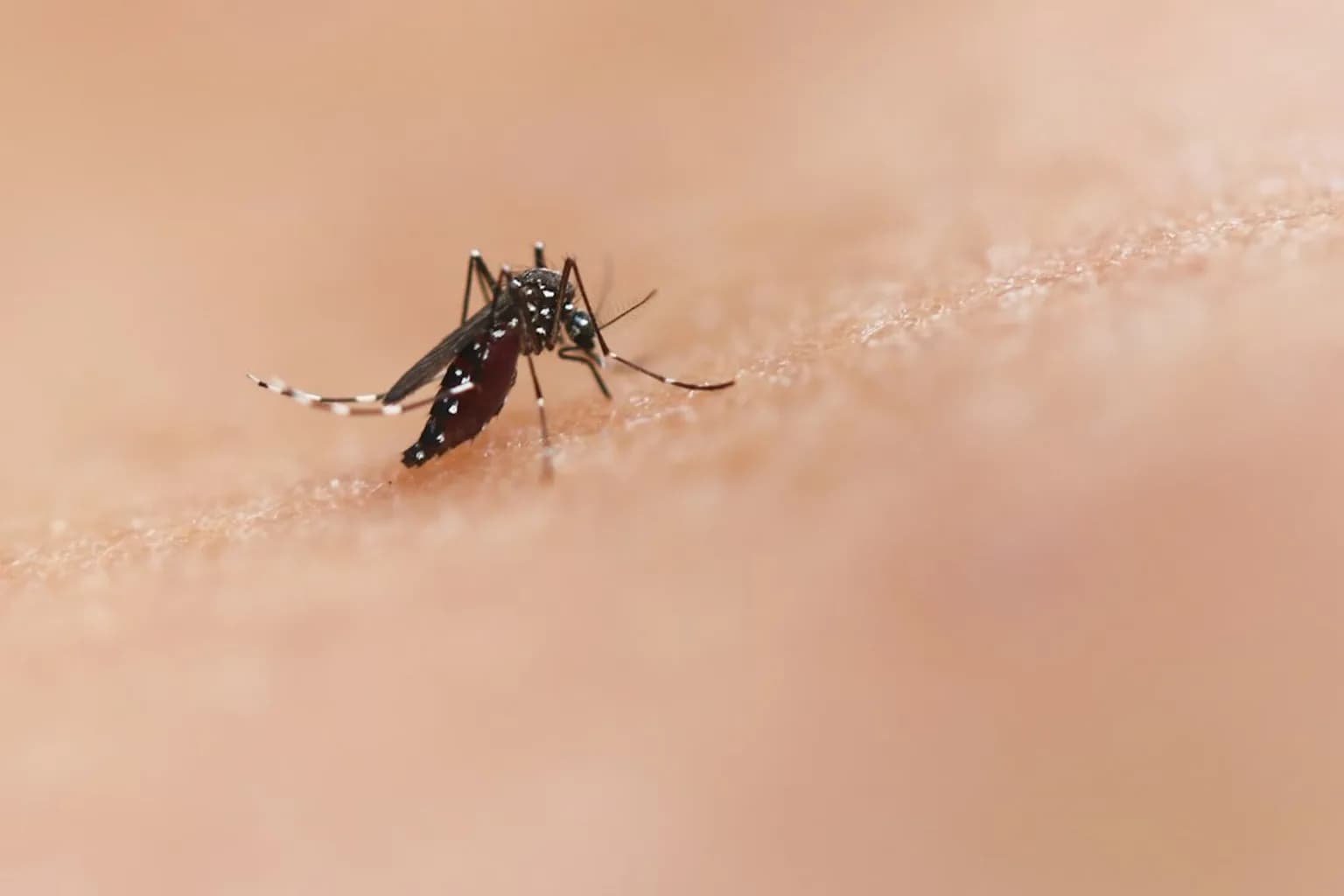
Europe is recording its worst season ever for West Nile virus, with nearly 1,600 cases reported in the European Union since spring. The infections have spread north to the Netherlands, widening the areas affected by a virus usually passed between mosquitoes and wild birds.
Italy has approximately 696 of the 1,569 cases recorded as of 23 September, according to the European Center for Disease Prevention and Control. Greece has reported 355 cases, while Spain has 125, France 102 and Romania 91.
There is a cluster of 28 cases in the Netherlands. In Baden-Württemberg, Germany, two people have contracted the virus locally for the first time in the state, with infections detected in the Stuttgart and Karlsruhe areas. Locally acquired infections have been recorded in Germany since 2019, initially mainly in eastern states.
All the reported cases were acquired within the patients’ own countries rather than during travel abroad. In Italy, infections have spread across almost the whole country, with hotspots around Rome, Padua and Milan.
Advertisement
As of 3 September, 61 deaths had been reported to the EU agency. Italy and Greece accounted for 49 of those deaths.
The current season follows 1,436 cases in 2024 and 1,112 in 2025. A previous record total of 2,083 cases was set in 2018. Switzerland confirmed its first locally transmitted human case of West Nile fever in 2025.
West Nile virus can infect humans and other mammals as well as birds. About 20 percent of infected people develop West Nile fever, while about one in every 100 becomes seriously ill. The fever usually clears without complications, although long-term effects are relatively common among severely ill patients.
Advertisement





Comments (0)