
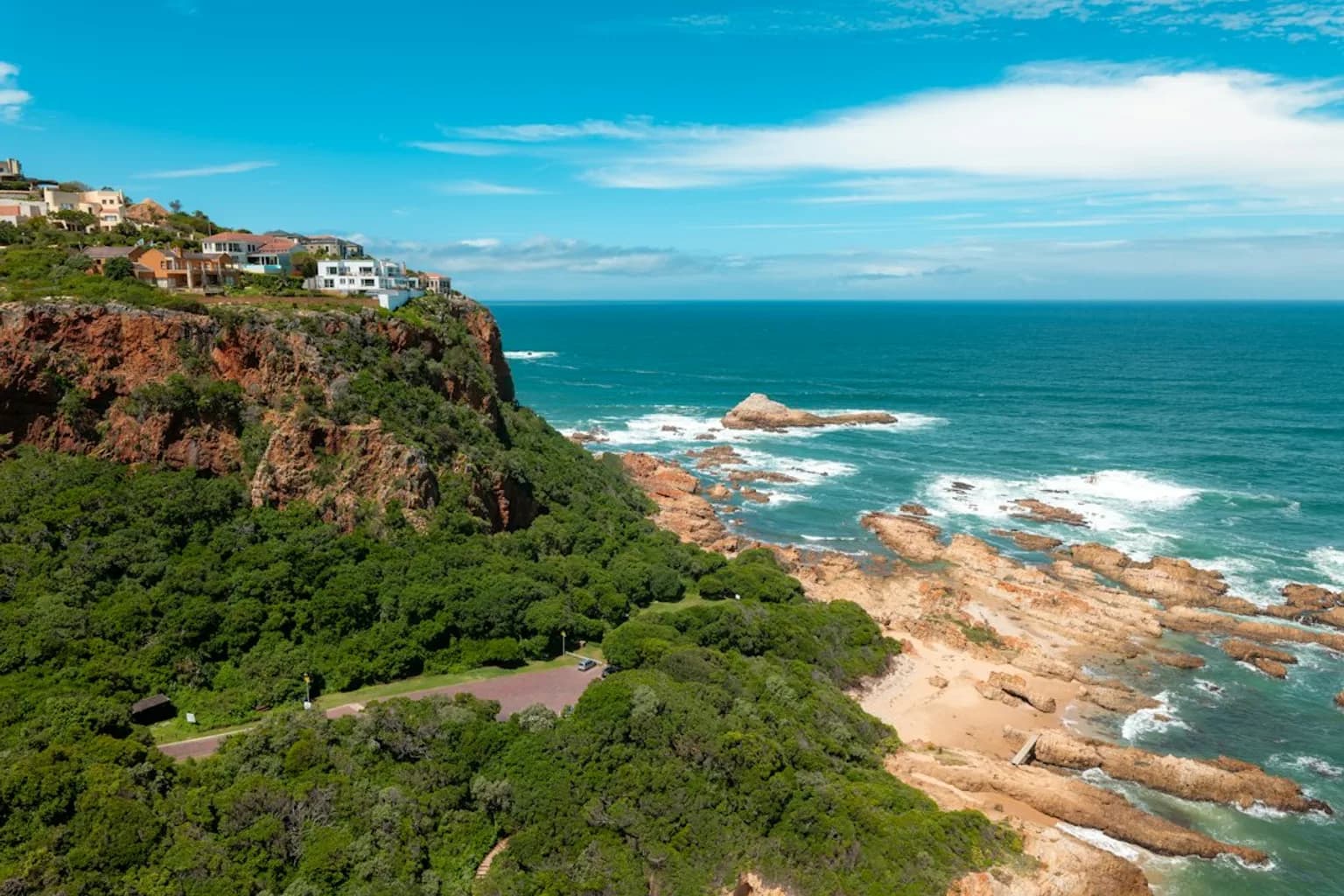
Andrey Bekker, a UC Riverside geologist, led an examination of rocks from South Africa that preserve a period when oxygen was becoming a lasting feature of Earth’s atmosphere. The samples came from the Rooihoogte and Timeball Hill formations in the Transvaal Supergroup and are about 2.32 billion to 2.25 billion years old.
The sediments formed in a shallow marine environment connected to the wider ocean. They also record major changes after widespread Paleoproterozoic glaciation.
About 2.3 billion years ago, the Great Oxidation Event brought a lasting accumulation of oxygen in Earth’s atmosphere, after a time when both the oceans and air had contained very little of the gas. Scientists had thought oxygen remained relatively steady afterwards. The new findings suggest instead that its levels may have risen and fallen far more dramatically for tens of millions of years.
The proposed explanation begins in the oceans. As oxygen entered seawater, it changed the water’s chemistry and raised sulfate concentrations. Certain microbes used that sulfate to break down organic matter, releasing phosphorus into the water.
Advertisement
That phosphorus was a vital nutrient. It forms the backbone of DNA and RNA and is central to energy-carrying molecules such as ATP. Greater phosphorus availability increased biological productivity and allowed more organic carbon to be buried in seafloor sediments.
Carbon burial then helped oxygen continue to build up in the atmosphere, producing a self-sustaining feedback loop. The recycled phosphorus supported further growth, which led to more carbon burial and allowed more oxygen to accumulate.
“Living things cannot grow or function properly without phosphorus. Once more of it became available in the oceans, it allowed more organic carbon to be buried. A side effect of that process is that more oxygen continued to be released into the atmosphere,” Bekker said.
The team examined the South African samples with a technique that separates phosphorus according to the minerals containing it. It distinguishes phosphorus that organisms could use from phosphorus held within mineral structures. Previously, scientists could measure only the total phosphorus preserved in rocks, leaving them unable to tell how much had been available to support life in ancient oceans.
“We can now separate the phosphorus that was available to organisms from phosphorus that was essentially locked away. That gives us a much clearer picture of nutrient levels in ancient oceans than we had before,” Bekker said.
The study, published in Nature Communications, combines measurements of different phosphorus pools with sulfur isotopes, redox-sensitive elements and biogeochemical modelling. Its evidence challenges the earlier picture of a relatively stable oxygen-rich atmosphere after the Great Oxidation Event, pointing instead to a changing relationship between ocean chemistry, nutrients and atmospheric oxygen.
Advertisement


Comments (0)