

A 39-year-old man who was a close family member of Kenya’s first Bundibugyo virus patient developed fever, fatigue and joint pain on Tuesday while already in quarantine. He was confirmed as the country’s second Ebola case on 14 October.
The man was already under care when he became ill. Kenya’s Ministry of Health said laboratory tests at the National Virology Reference Laboratory and the Kenya Medical Research Institute confirmed the infection.
The second case is linked to the first, and authorities say there is no evidence that the virus has spread in the wider community.
The first patient was a 40-year-old Kenyan who had been living in the Democratic Republic of the Congo. He fell ill on 15 September in one of three Ebola-affected provinces, then travelled by road to Uganda, arriving on 1 October after crossing a border that had been closed since May because of Ebola.
Advertisement
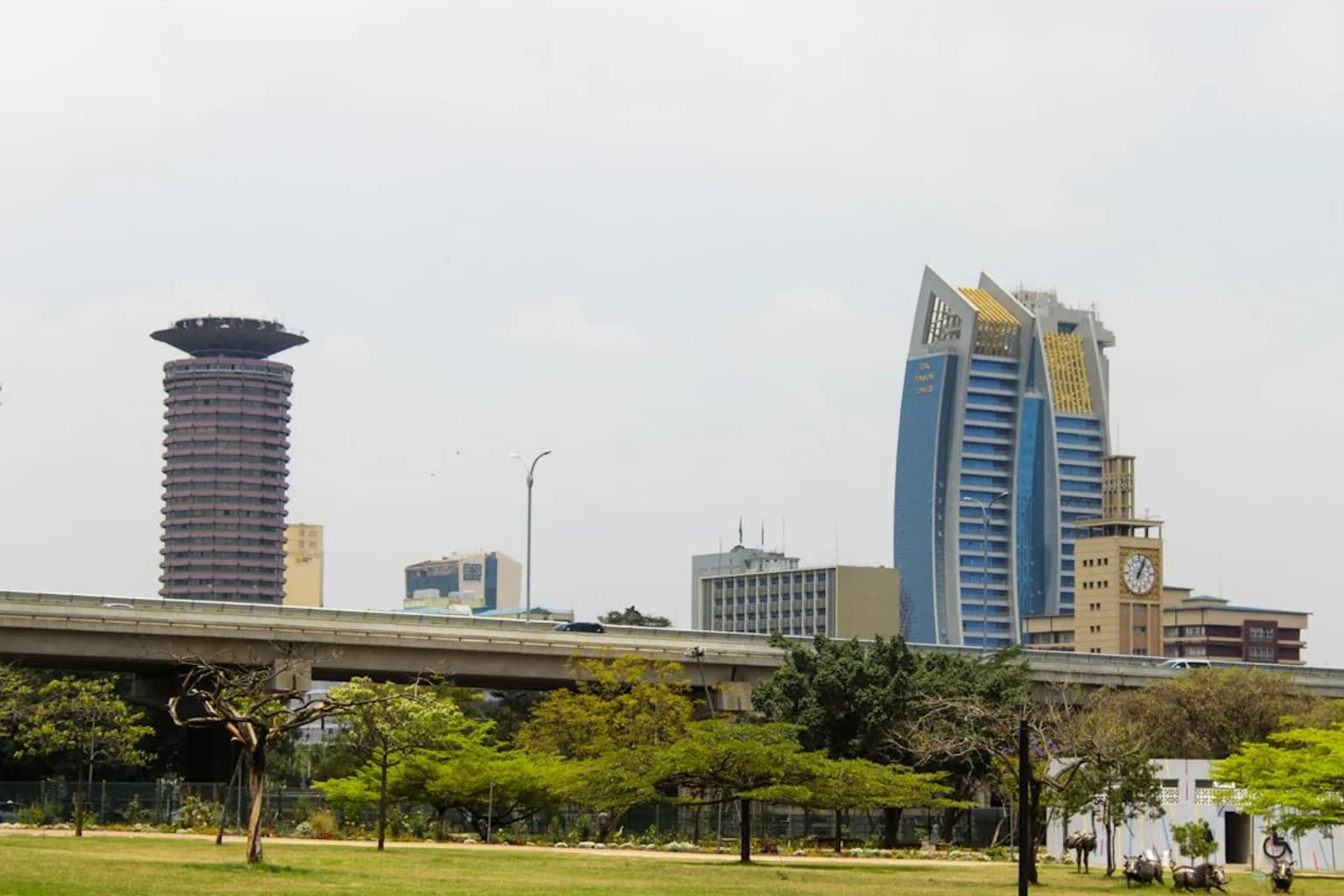
He then flew to Nairobi, arriving on 3 October. He was assessed at a hospital in the capital, tested positive for Bundibugyo virus and died on 5 October, two days after reaching Kenya.
Kenya notified the World Health Organization on 6 October, one day after his death.
Health officials traced 128 people who had come into contact with the first patient and placed them under observation. Since Tuesday, 113 of those contacts had been found, while 108 were in quarantine in Kenya. Tracing continued for the remaining 15.
The incubation period for Ebola ranges from two to 21 days. The Bundibugyo species has no approved vaccine or treatment.
The cases have also put scrutiny on Kenya’s ability to identify and isolate suspected infections outside Nairobi. A 20-year-old man with a severe febrile illness was assessed at Habaswein Subcounty Hospital in Wajir South after travelling from the Democratic Republic of the Congo through Uganda and reaching his home in Wajir on 20 September.
The suspected patient tested negative, according to county officials. Garad Saney Mohamed, Wajir county’s communications director, said the county had set up an isolation centre in Wajir town and formed a rapid response team.
Somalia lies 110km (70 miles) to the east of Wajir county, in northeastern Kenya and far from major hospitals, laboratories and transport hubs.
Kenya has tightened screening at border crossings and airports since identifying its first case. Patrick Amoth, the country’s Director-General for Health, said last week that officials from the Democratic Republic of the Congo, Uganda and the Africa CDC were due to meet to investigate how the first patient travelled through three countries without being detected.
Kenya is the fourth country to record a case linked to the Ebola epidemic in the Democratic Republic of the Congo, which is the second-largest Ebola epidemic on record.
Advertisement



Comments (0)