
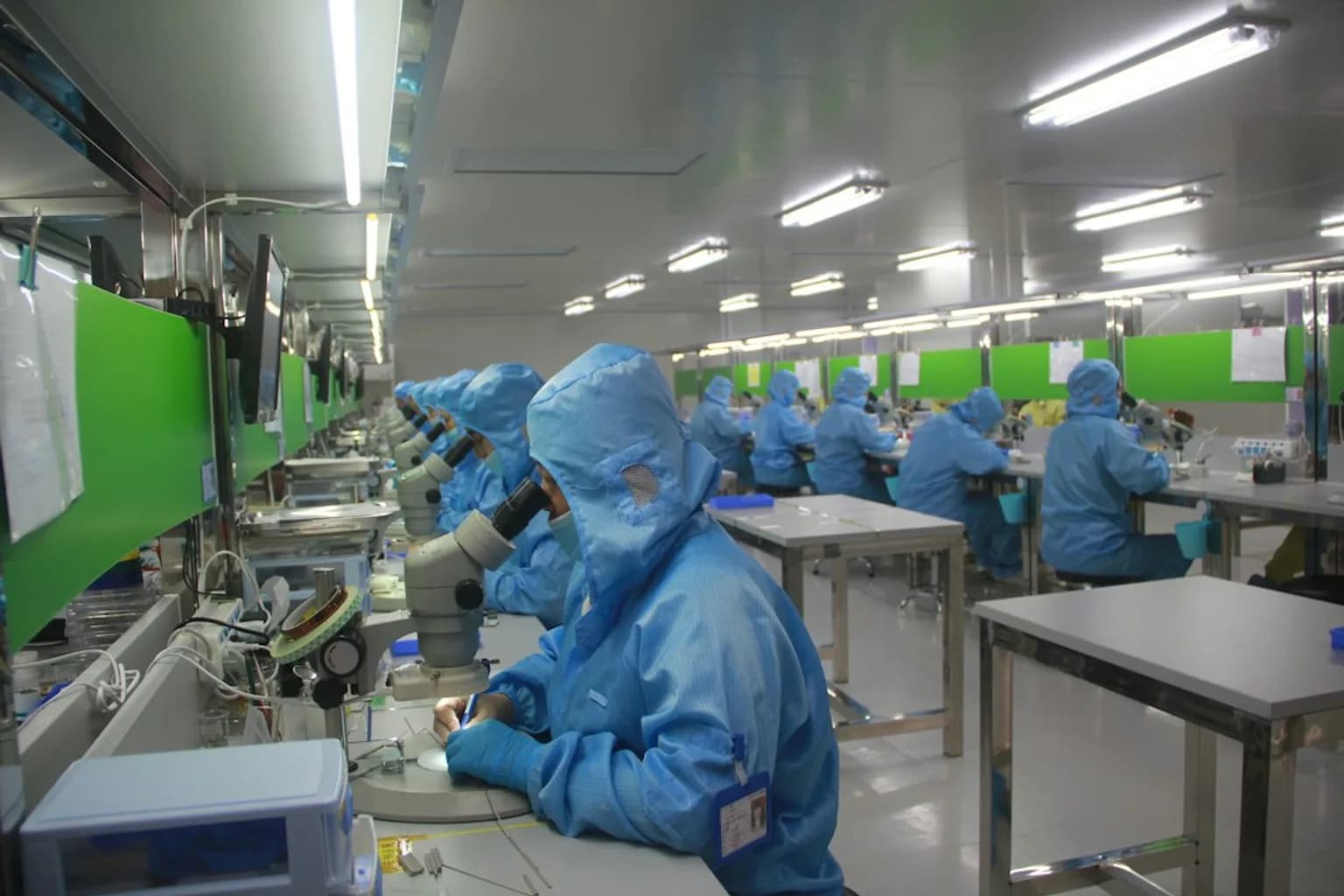
On Henri Rinchan’s English-language website, customers can browse peptides marketed for tanning, tissue regeneration and weight loss. The company says it was founded in 2015 and has a factory northwest of Shanghai. Its site allows purchases through a form asking for a name, email address, phone number or WhatsApp contact.
The products sit in a market where most substances sold as “peptides” are unapproved drugs. Sellers commonly apply the labels “for research use only” or “not for human consumption”, while their promotional material makes claims about high-grade ingredients and strict quality assurance. Consumers are unlikely to learn from that material about a manufacturer’s links to the fentanyl trade.
For nearly a decade, the US government has pursued Chinese companies producing fentanyl precursors. Those producers sold ingredients to drug cartels, which assembled them into fentanyl. Fentanyl remains the leading cause of overdose deaths in America.
In 2023, the US Department of Justice indicted Anhui Renchen Technology on charges of supplying fentanyl precursors used by Mexican drug organisations including the Sinaloa Cartel. The indictment alleged that the company’s chemists gave buyers instructions for manufacturing fentanyl.
Advertisement
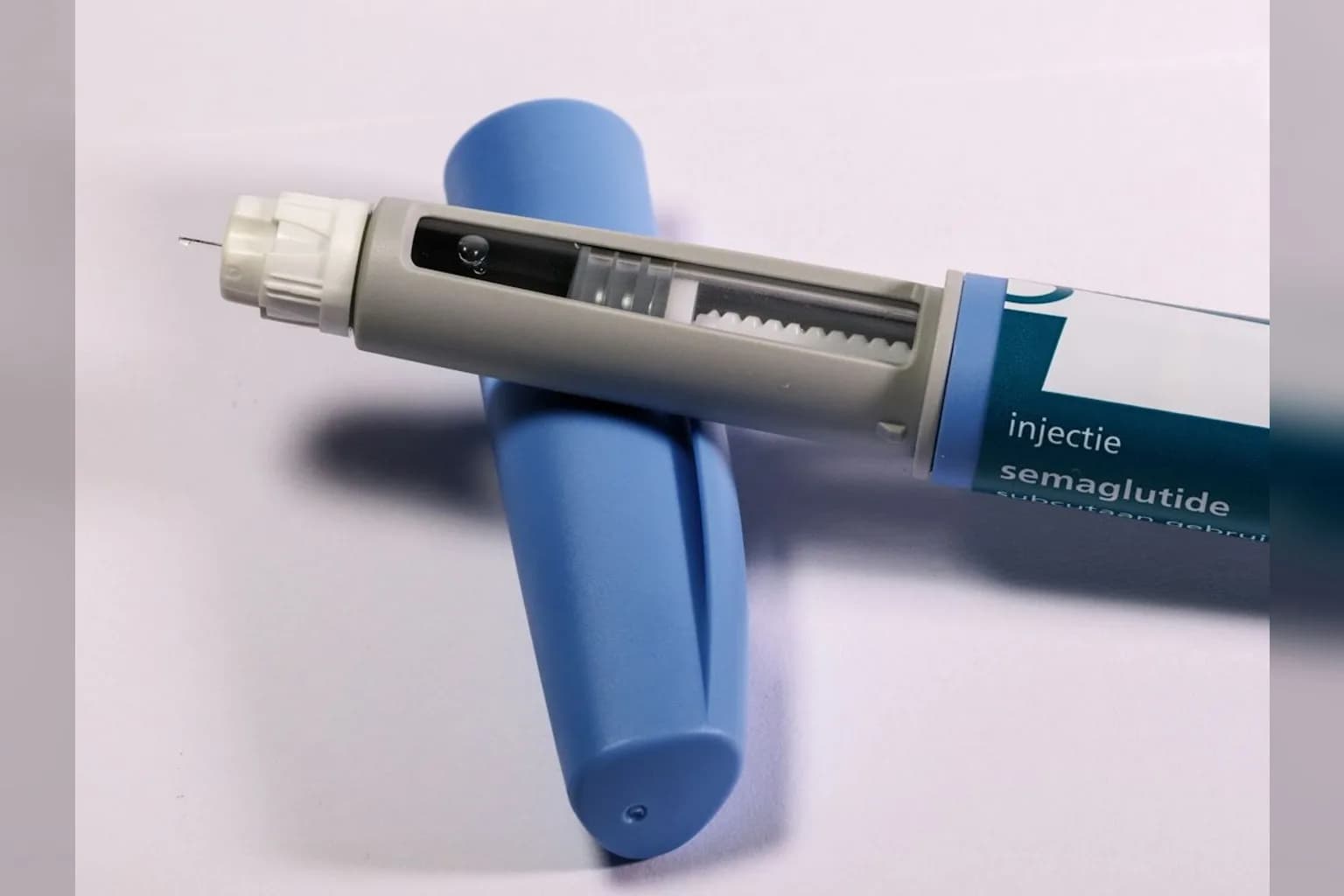
Anhui Renchen Technology’s website now sells melanotan II, a peptide associated with tanning effects, and semaglutide, the active ingredient in Ozempic.
Chainalysis reported that, as international law-enforcement pressure increased, some Chinese chemical companies saw peptide sales as a lucrative market with legally uncertain boundaries. A recent crackdown in China has led fentanyl precursor manufacturers into the peptide market.
TRM Labs, a cryptocurrency analytics firm, tracked roughly 200 companies that sold fentanyl precursors. At least 50 have since begun selling peptides, and that number has risen steadily in recent months.
These firms are competing with pharmaceutical companies by offering counterfeit versions of FDA-approved peptide-based drugs, including GLP-1 obesity medicines such as Wegovy, at much lower prices. They also sell counterfeit semaglutide.
The trade uses routes and payment systems that can obscure the transaction. Companies smuggle bulk shipments into the United States disguised as snacks and process cryptocurrency payments exceeding $10 million a month. Before 2025, cryptocurrency payments for grey-market peptides averaged around $200,000 a month.
Cryptocurrency tracing places the United States among the main buyer countries for peptides. The products advertised to those buyers carry disclaimers, yet the market is largely made up of unapproved drugs sold by manufacturers whose involvement in fentanyl precursor supply may be absent from the sales pitch.
Advertisement




Comments (0)