
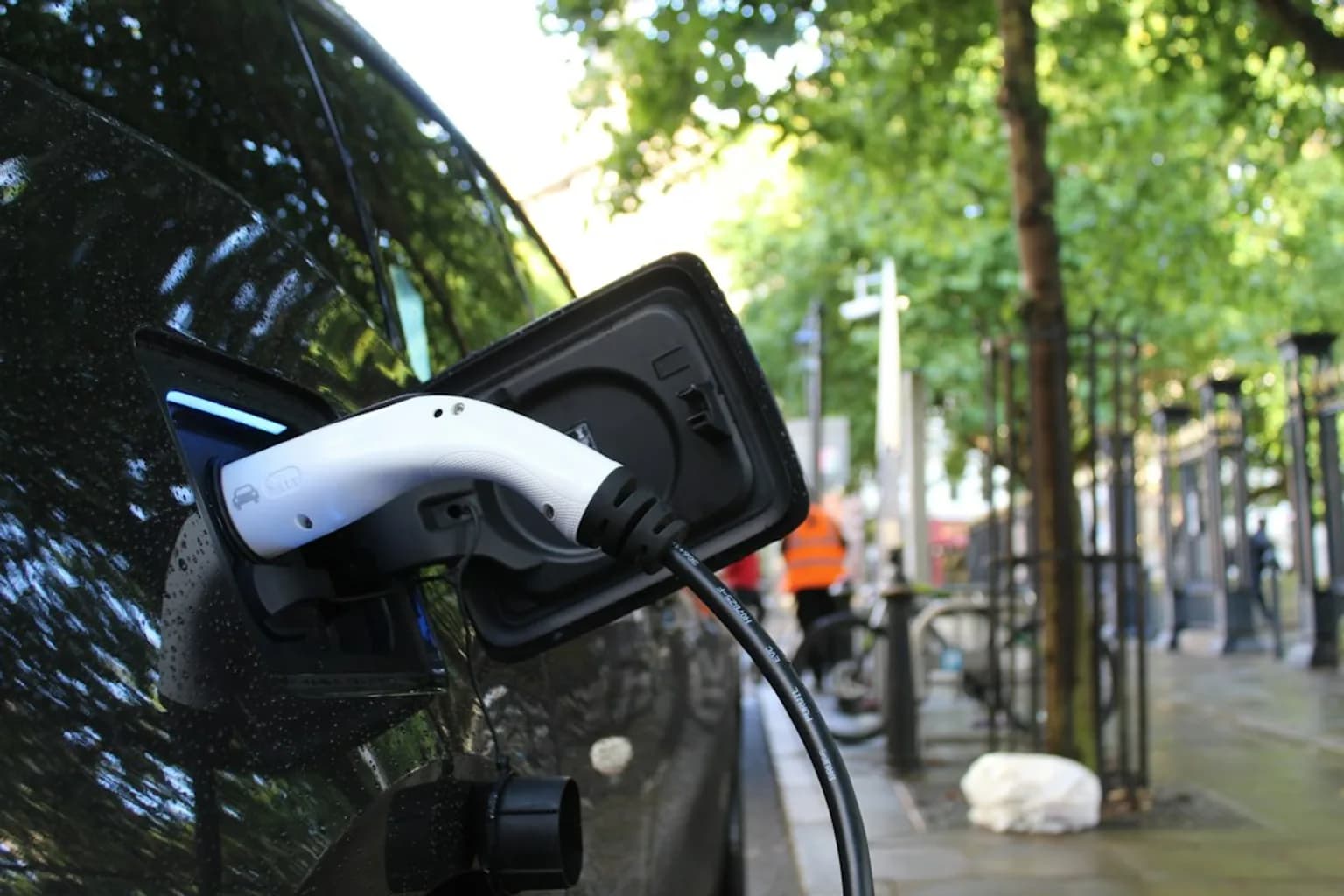
The European Union has imposed definitive additional tariffs of between 7.8 and 35.3 per cent on battery-electric passenger cars from China since the end of October 2024. It has also imposed duties of up to 45 per cent on Chinese electric cars.
The US has largely shut Chinese electric vehicles out through steep tariffs. Britain has taken a different course and remains one of the few major Western markets yet to impose additional tariffs on Chinese vehicles.
That position is now under pressure from Brussels. The European Union is urging Britain to bring its trade policy closer to its own, amid concern that lower British barriers could offer Chinese vehicles a route into the EU single market.
According to the Financial Times, Brussels has indicated that British companies may need closer alignment with EU trade policy to benefit from the planned “Made in Europe” industrial policy under the EU’s Industrial Accelerator Act. The European Commission declined to comment on the report.
Advertisement
Jonathan Reynolds, the Business Secretary, is drawing up a package of potential tariffs on Chinese vehicle imports.
British ministers are considering tariffs of up to 45 per cent on Chinese electric cars. A government spokesperson told Reuters, however, that no tariffs had been imposed on Chinese EVs.
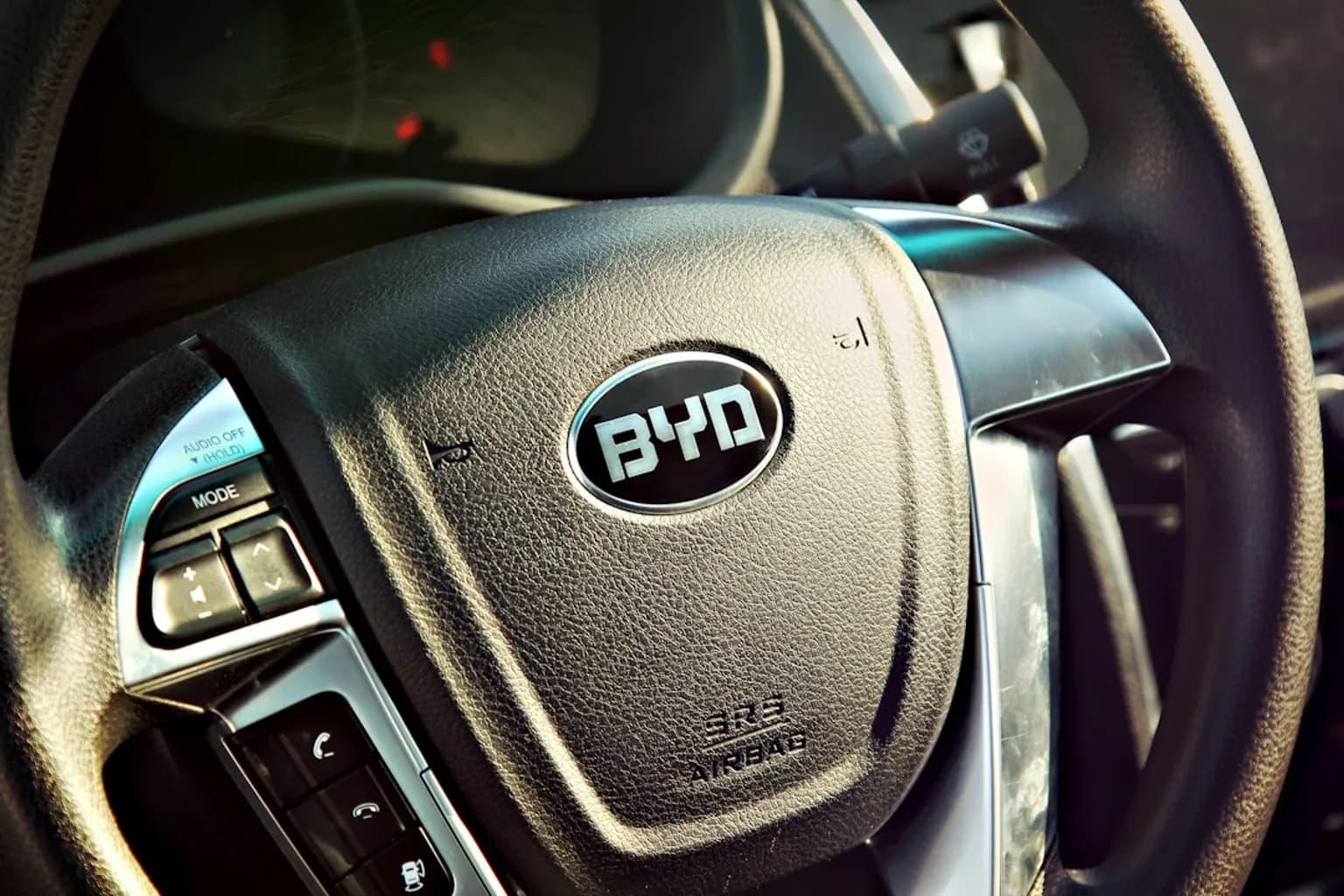
The question reflects a wider choice for Britain: whether to shield its car industry from rising Chinese competition or preserve access to the European Union, its biggest export market. Concerns have also been raised that Chinese manufacturers are selling state-subsidised cars in Britain.
Joining the EU Customs Union has been described as the most far-reaching solution. Whether Britain will align its trade policy, impose tariffs, or take that broader step remains undecided.
Advertisement



Comments (0)