
In the shallow coastal waters of Mozambique’s Bazaruto Archipelago, Dr Mario Lebrato led a study of reefs made from the remains of forests that disappeared beneath the sea. Lebrato is the lead author of the research and co-founder of the Bazaruto Center for Scientific Studies (BCSS) Ocean Observatory.
The reefs lie two to four metres below the surface, along a coast whose seabed is largely shifting sand and has little natural hard ground. Water temperatures recorded in the area ranged from 24.5 to 28.6°C and can change by four degrees over a day.
About 5,000 years ago, coastal swamps and forests grew in the Bazaruto region. Rising seas then flooded the landscape, leaving the trees and swamps underwater.
Over time, waves removed the sand covering the peat, exposing firm platforms on the seabed. The platforms consist of compressed, carbon-rich remains of the former swamps and forests.
Advertisement
Marine life then settled on the exposed peat, turning the platforms into reef ecosystems. Seagrass, macroalgae and sponges use the peat as a surface to grow on, setting these sites apart from nearby hard coral reefs.
Using radiocarbon dating, the researchers found that the peat reefs formed between around 300 and 5,000 years ago.
The team compared biological communities on three peat reefs with those on a nearby coral reef. Each peat reef held between 26 to 36 species of small fish, and the surveys found a similar level of biodiversity at the peat and coral sites.
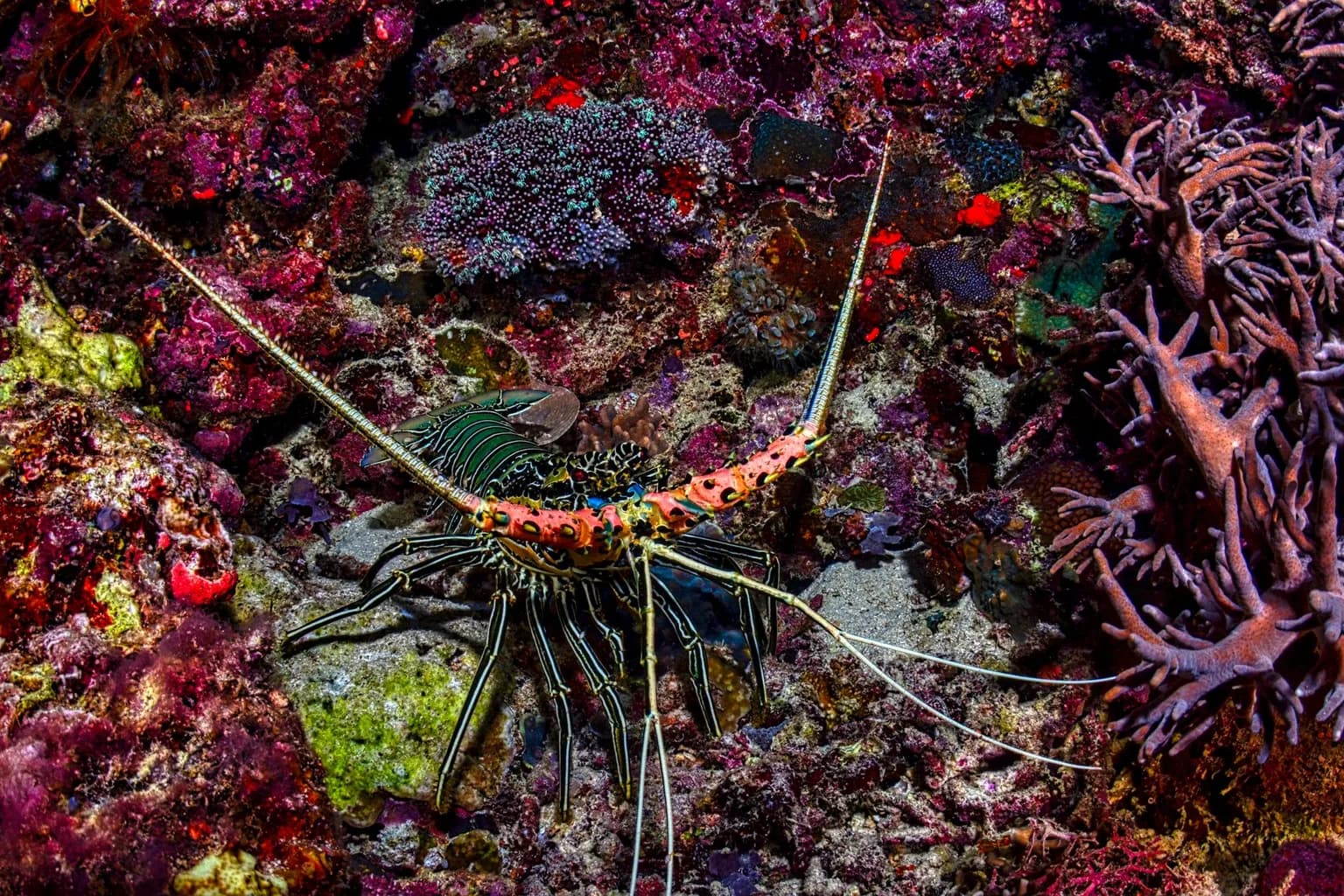
Spiny lobsters, oysters, barnacles, green turtles and dugongs were also observed using the peat reefs.
Some peat samples contained up to 40% organic carbon by dry weight, preserving accumulated forest material that now supports marine organisms. The discovery raises questions about what role such reefs could play in carbon storage.
The work was carried out by the BCSS Ocean Observatory with researchers from universities and research institutions in the UK, US and Canada. The observatory was established in Mozambique’s Bazaruto Archipelago in 2017.
The paper was published in Scientific Reports and is believed to be the first ecological study of tropical peat reefs. Similar formations may exist along the coasts of the Caribbean, Southeast Asia and West Africa.
Advertisement
Comments (0)