
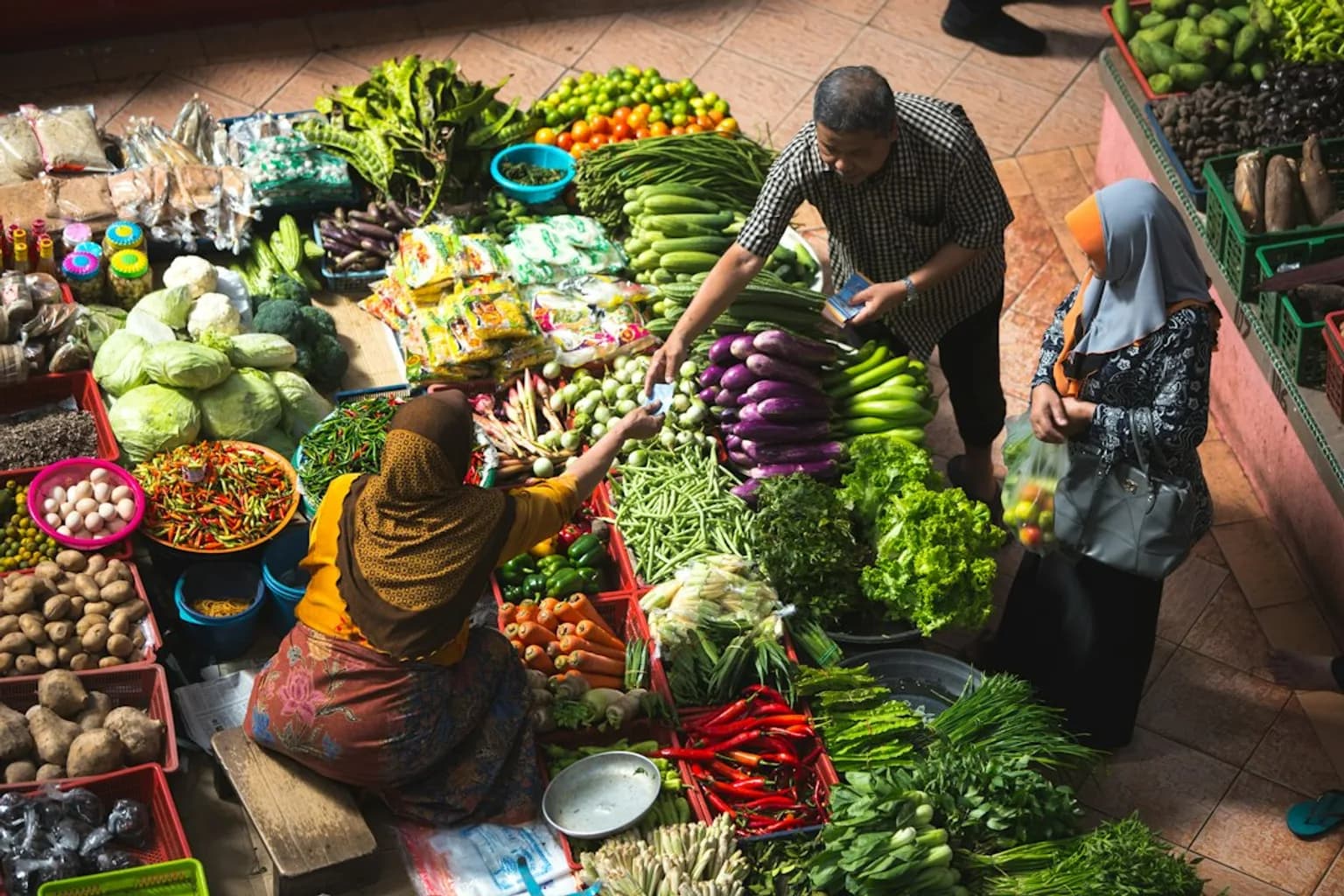
Kin, a 45-year-old mother in Myanmar, described difficult food choices that have become a daily occurrence.
Rana said she has cut back on meat from at least twice a week to once a month. Fruit, she said, has become a luxury.
Their experiences sit at the far end of a divide measured by World Vision in its fifth annual shopping-basket survey, which examined 62 countries. The organisation compared the cost of a standard food basket with average wages to calculate how long workers must labour to buy it.
The basket contains ten everyday items: 1kg banana, 1kg white rice, 1kg wheat flour, 1kg brown sugar, 1kg corn, 12 eggs, 1 liter cooking oil, 1 chicken, 1kg tomato, and 1 liter milk.
Advertisement
Workers in Ireland, the United States and the United Kingdom can buy that basket with just over one hour of work. In Spain, it takes two and a half hours.
For workers in lower-income countries, the same food can require several days or weeks of earnings. The Central African Republic was the most severe example in the survey: a basket required nearly 30 days of income.
Prices have also moved upwards in most of the countries where World Vision could make a comparison. Basket costs rose in 33 of 47 comparable countries and fell in 14, while the average increase was much greater than the average decrease.
World Vision said rising prices can leave families buying fewer food items or turning to cheaper, less nutritious alternatives. Some take on debt, sell property or go hungry.
Across the world, one in three people cannot afford a healthy diet. In Africa, 66.6% of the population could not purchase a healthy diet in 2025.
Severe acute malnutrition can damage physical and mental development, weaken the immune system and increase the risk of death. Its effects can follow children through childhood and into adulthood, and may not always be fully reversible.
Paul Kinuthia, Senior Director of Food, Cash and Markets at World Vision International, said the food-price gap set out in the report cannot be resolved through humanitarian aid alone.
Advertisement




Comments (0)