
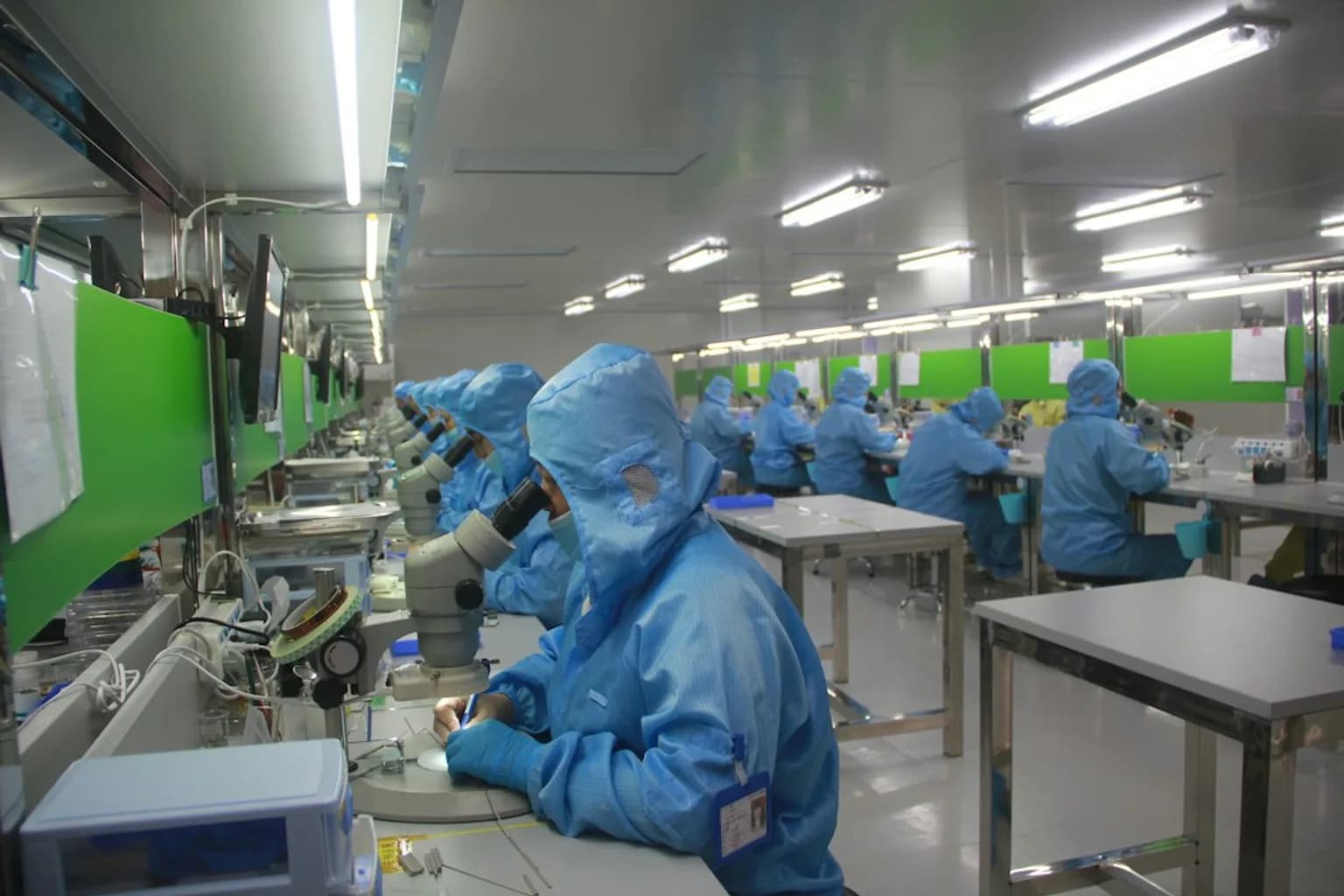
When FDA inspectors arrived at Chengdu Shengnuo Biopharm in southwest China in August, they found black mold on equipment, gross contamination on floors and signs of insect activity in the ceilings.
Inspectors then saw quality control staff run from their laboratory to an adjacent room, where they stuffed documents into lockers. Workers were also seen pouring product samples down sinks in what inspectors considered a deliberate, organised effort.
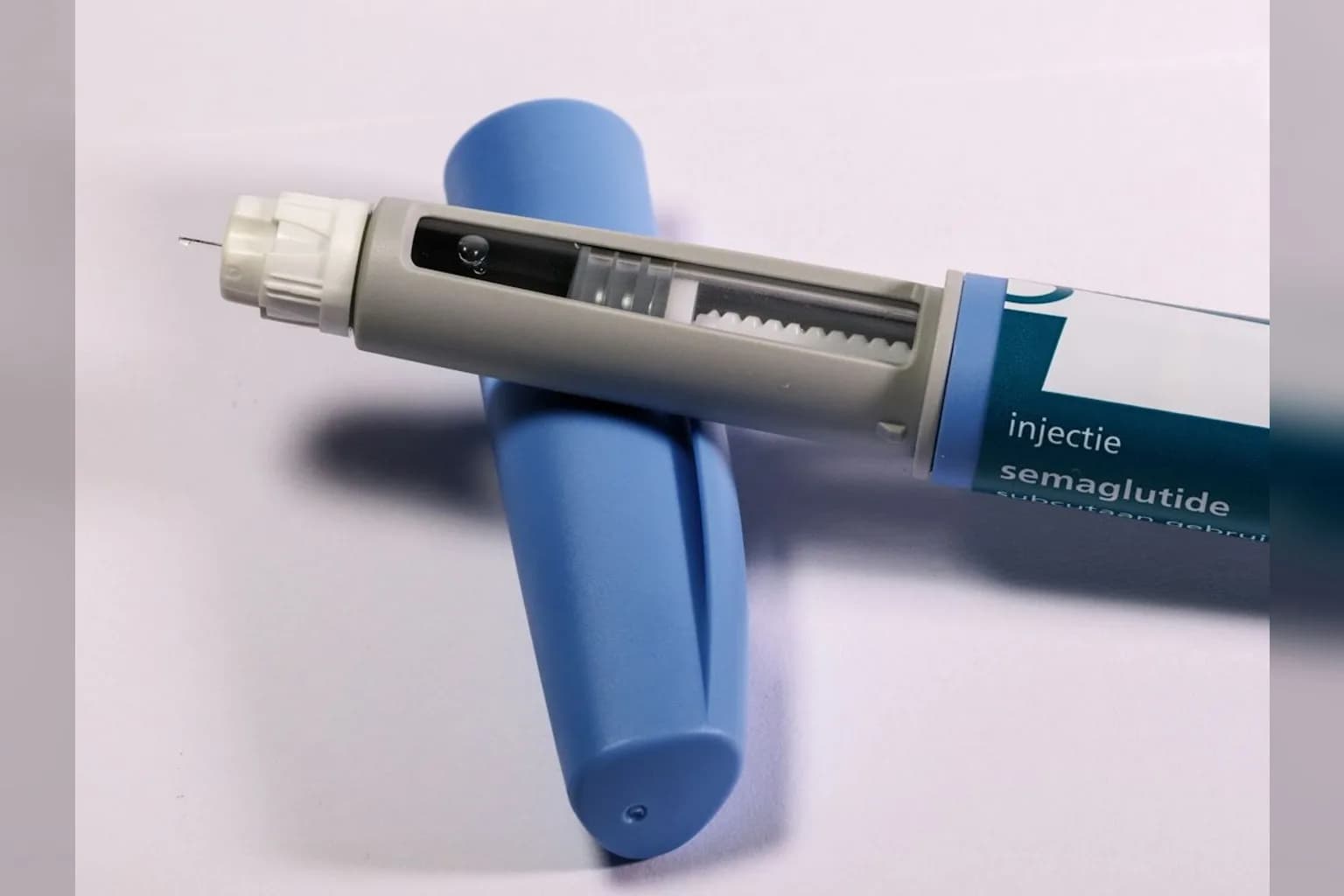
Chengdu Shengnuo Biopharm was one of two Chinese manufacturers inspected by the FDA after producing semaglutide and tirzepatide, active ingredients used in weight-loss drugs from Novo Nordisk and Eli Lilly and in lower-cost compounded medicines.
In September, inspectors at Nanjing Chengong Pharmaceutical Co. on China’s east coast found employees had bought active ingredients from third-party factories, then certified them under Nanjing Chengong’s own approval stamp. The employees had not examined the third-party factories’ test results before declaring the ingredients acceptable.
Advertisement
The FDA placed Chengdu Shengnuo Biopharm and Nanjing Chengong Pharmaceutical Co. on its import-alert list, a step that allows the agency to block their products from entering the United States.
Chengdu Shengnuo Biopharm said in a regulatory filing in China that it had been “diligently implementing effective measures” after issues were identified by inspectors.
Michael Rogers, a former FDA associate commissioner for inspections and investigations who is now principal at Canal Row Advisors, said the findings suggested “a serious accident waiting to happen.”
The inspection findings come as compounded alternatives have drawn demand from patients facing the cost of approved medicines. Without insurance or discounts, FDA-approved versions of weight-loss drugs can cost more than $1,000 a month.
Nanjing Chengong’s parent company is Nanjing Hanxin Pharmaceutical Technology Co., in which Amphastar Pharmaceuticals holds an 11.5% minority ownership interest. Dan Dischner, an Amphastar spokesperson, said the company does not control Nanjing Hanxin or its subsidiaries and has no role in their day-to-day operations.
The two inspections follow FDA action against another Chinese supplier, Harbin Jixianglong Biotech. An FDA inspection found the company had bought semaglutide from suppliers outside its approved supplier list, then repackaged and relabelled the ingredient under its own name while changing its manufacturing and retest dates.
Two affected batches of Harbin Jixianglong Biotech’s relabelled product reached the United States before they were voluntarily recalled. The FDA later removed the company from its GLP-1 import program and put it on an import alert.
In September 2025, the FDA authorised creation of a “Green List” of suppliers for GLP-1 ingredients.
Missouri Attorney General Catherine Hanaway joined nearly two dozen other state attorneys general in a letter to Secretary of State Marco Rubio warning of gaps in federal oversight of pharmaceutical ingredients entering the United States. The attorneys general raised concerns about reported connections between parts of China’s pharmaceutical supply network and companies involved in fentanyl production. The FDA’s case against Harbin Jixianglong Biotech does not accuse that company of making fentanyl.
Tennessee Attorney General Jonathan Skrmetti joined a 20-state letter to Rubio on September 23, 2026, warning the administration of national security risks involving Chinese-sourced pharmaceutical businesses.
Advertisement

Comments (0)