
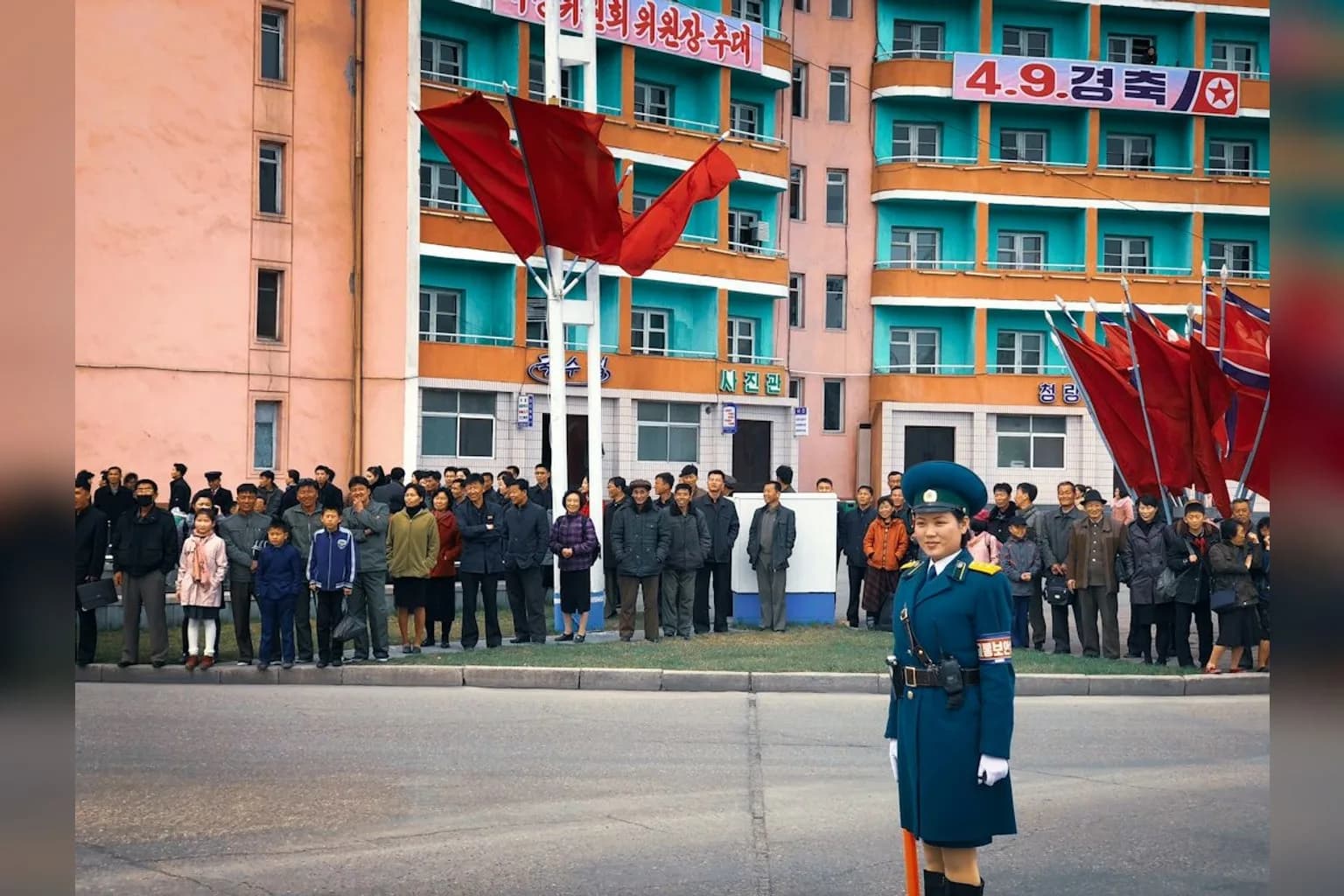
When Vladimir Putin arrived in Pyongyang on 19 June 2024, Kim Jong Un was there to welcome him. The two leaders signed the Treaty on Comprehensive Strategic Partnership, which Putin described as “a new fundamental document that will form the basis of long-term relations between the two countries.”
The agreement has since taken effect, and its terms point beyond Russia’s immediate needs in Ukraine. It requires immediate military and other assistance if either country comes under armed attack and enters a state of war.
Putin’s decree ratifying the treaty was published on Saturday on a Russian government website for legislative procedures. Russia’s lower house of parliament had approved it last month, followed by the upper chamber this week.
The treaty took effect in December 2024. It has no fixed end date, though either government may suspend it through written notification, with termination taking effect one year after that notice.
Advertisement
The relationship has tightened sharply since Russia’s invasion of Ukraine began in February 2022, after relations had weakened significantly following the Soviet Union’s dissolution in 1991.
Reports from South Korea and Western states say North Korea supplied weapons to Russia. Ukrainian forensic experts say they have found evidence of North Korean weapons used in Russian attacks.
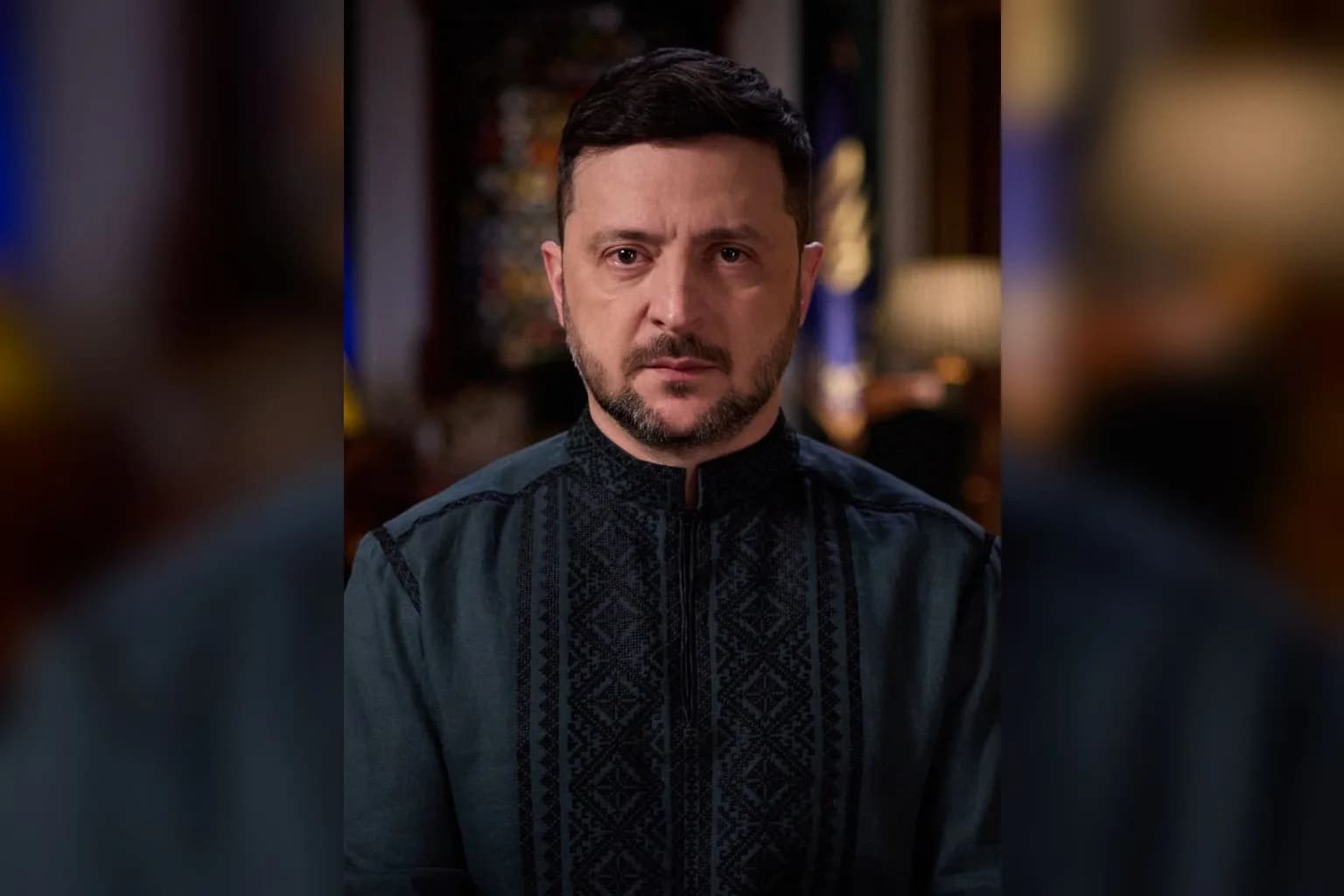
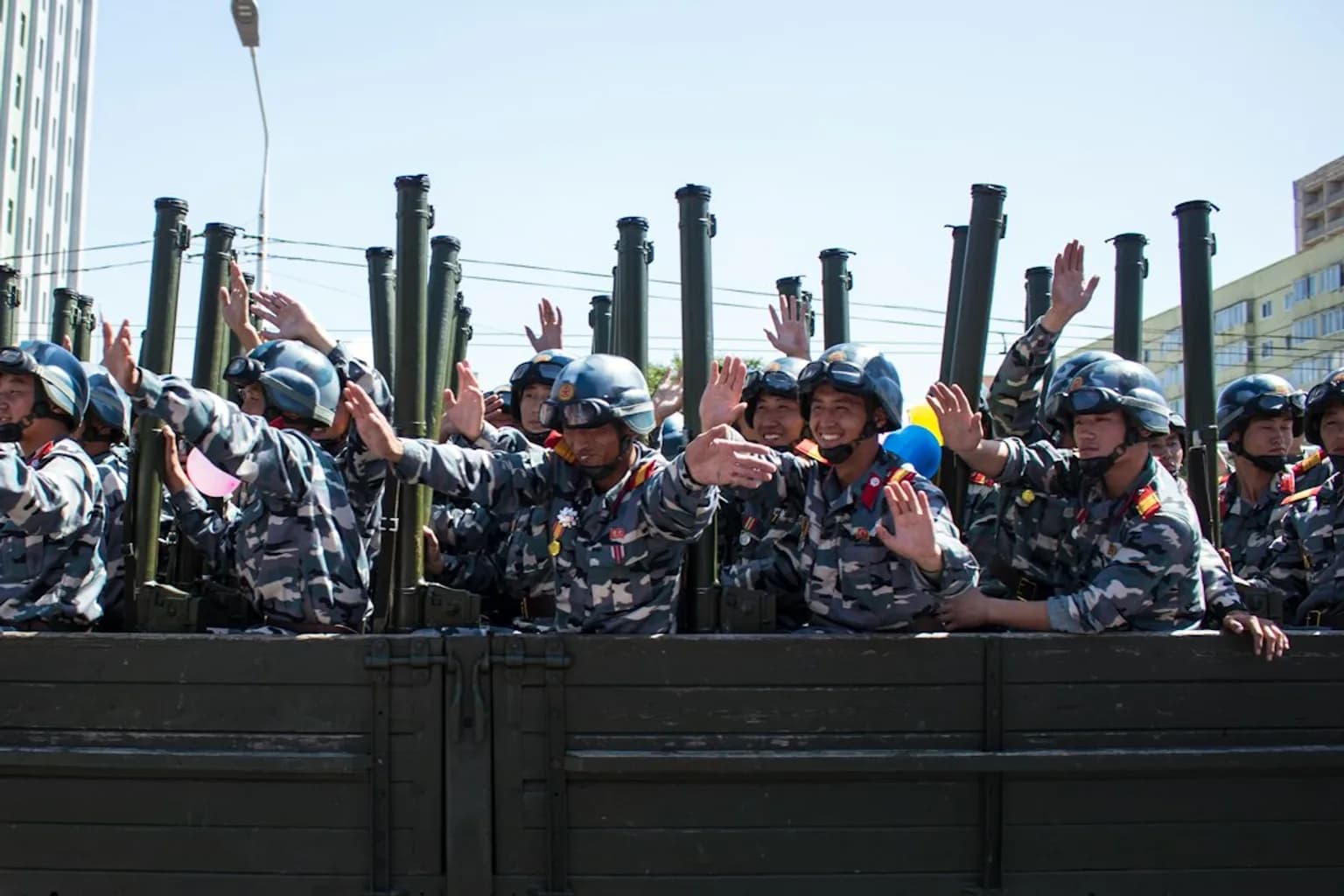
Ukrainian President Volodimir Zelenski said Pyongyang had sent 11,000 soldiers to support Russia, and that some had suffered losses in the Kursk region. He has also said that up to 50,000 additional North Korean troops could be deployed.
Russian authorities have not confirmed that North Korean troops are on Russian territory.
Kim had travelled to Russia’s Far East region in 2023 for a summit with Putin before the Russian president’s visit to Pyongyang.
In messages to Putin after the treaty’s ratification, Kim pledged to “expand and deepen comprehensive cooperation with the Russian Federation” and said the countries were writing “a new chapter of the great history of the alliance.”
His language has been personal as well as strategic. Kim addressed Putin as “my dearest friend” in a birthday letter and closed with the words, “I warmly embrace you, my dear comrade,” while pledging “invariable support” and calling the partnership “my unshakable option.”
Yuri Ushakov, an adviser to Putin, described the treaty signing as part of “the evolution” of the relationship.
The pact replaces the main agreements signed by Russia and North Korea in 1961, 2000 and 2001.
Its scope extends beyond military assistance. The treaty provides for cooperation in the economy, science, space, nuclear energy and information technology.
Both countries also undertake to avoid agreements with third countries that could threaten the other’s sovereignty or security. Neither will allow its territory to be used for actions aimed at violating the other country’s sovereignty, security or territorial integrity.
Russia and North Korea plan to establish joint measures to strengthen their defensive potential, with the stated aim of preventing war and ensuring regional peace and security.
North Korea’s role has expanded beyond weapons supplies. In August 2025, it sent around 1,000 military engineers to Russia’s Kursk region to help clear land mines laid during fighting with Ukrainian troops.
North Korean activity has subsequently included engineer and construction personnel, as well as missile operation personnel. Its forces are gaining experience of modern warfare and drone warfare in Ukraine.
Meanwhile, North Korea has been constructing 10 new buildings since June at the Korean People’s Army No. 60 Training Facility in Gangdong, Pyongyang. The site had previously been used to train special forces before troops were sent to Russia in 2024.
Advertisement

Comments (0)