
US consumer prices rose at a 3.7% annual rate in September 2026, exceeding market expectations of 3.6% and the 3.4% rate recorded in each of the previous two months.
Prices increased by 0.6 percent from August to September 2026. Core CPI, which excludes food and energy, was +2.6% in September 2026, while food inflation was +2.5%.
The latest reading extends a less favourable trend than the one suggested by the headline inflation rate two years ago. Annual inflation stood at 2.4% in September 2024, compared with 3.7% in September 2026.
The rate was 2.9 percent in December 2024 and has averaged around 3.3 percent since the start of 2026.
Advertisement
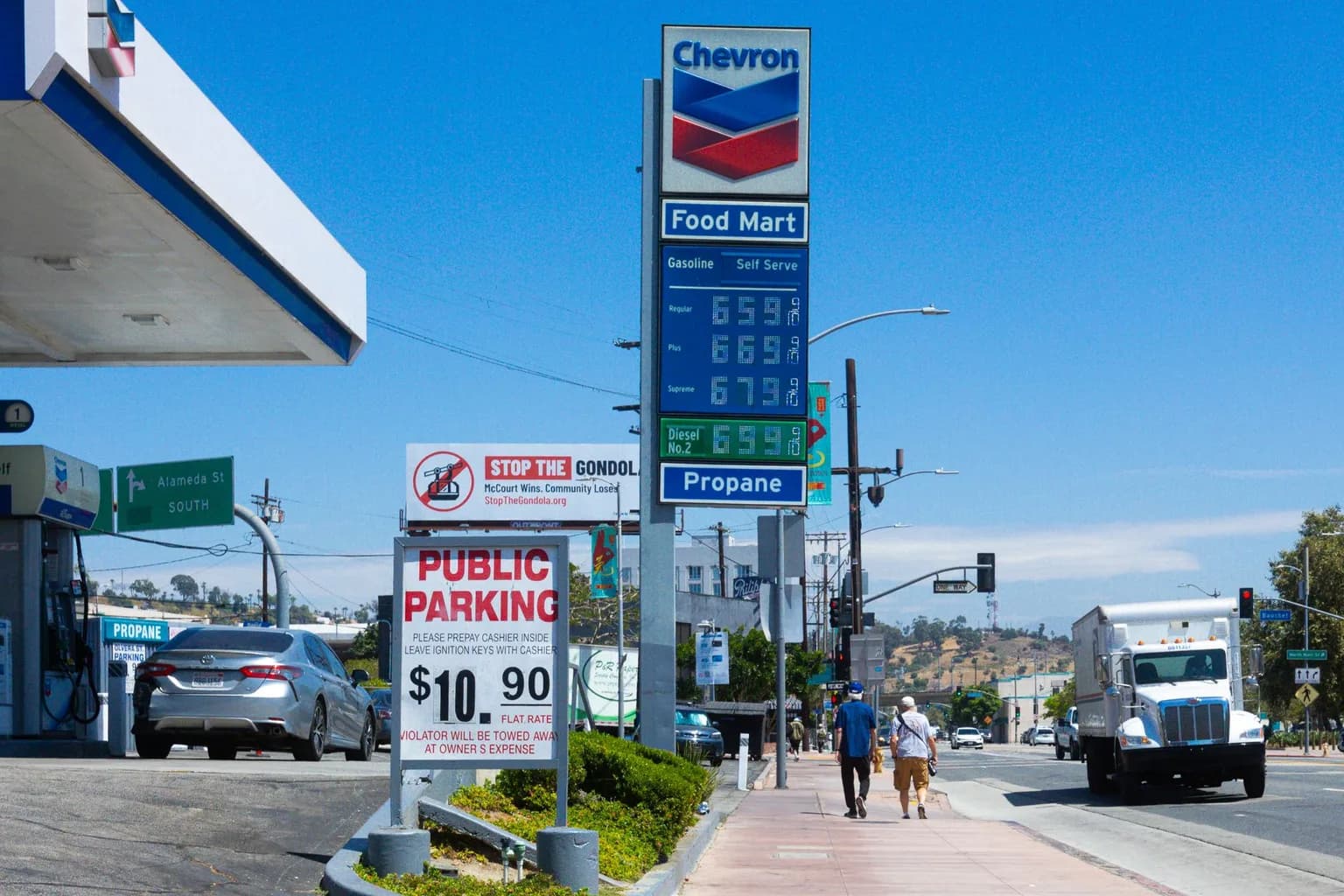
Energy has been a large part of the recent pressure. Energy costs have increased by 10.9 percent overall over the past year, while gas prices have risen 21.5 percent compared with September 2025.
Gas averaged around $2.937 per gallon the week before late February 2026. As of October 14, 2026, the average was $4.333 per gallon, a 47 percent increase over the past seven months.
Food costs have also continued to rise. Food-at-home inflation was 1.3% in September 2024 and 1.8% in September 2026.
Over the past year, ground beef prices have risen 5.4 percent, fish and seafood 6.9 percent, fruits and vegetables 3.7 percent, and bread 3.3 percent.
A poll found that 4 in 10 Americans struggle to pay for basic necessities.
Americans continue to express widespread concern about the costs of groceries, housing and health care.
The figures leave consumers facing higher bills across several essentials, while the course of inflation remains uncertain. The economy is a central concern as voters prepare for the 2026 midterm elections.
Advertisement


Comments (0)