
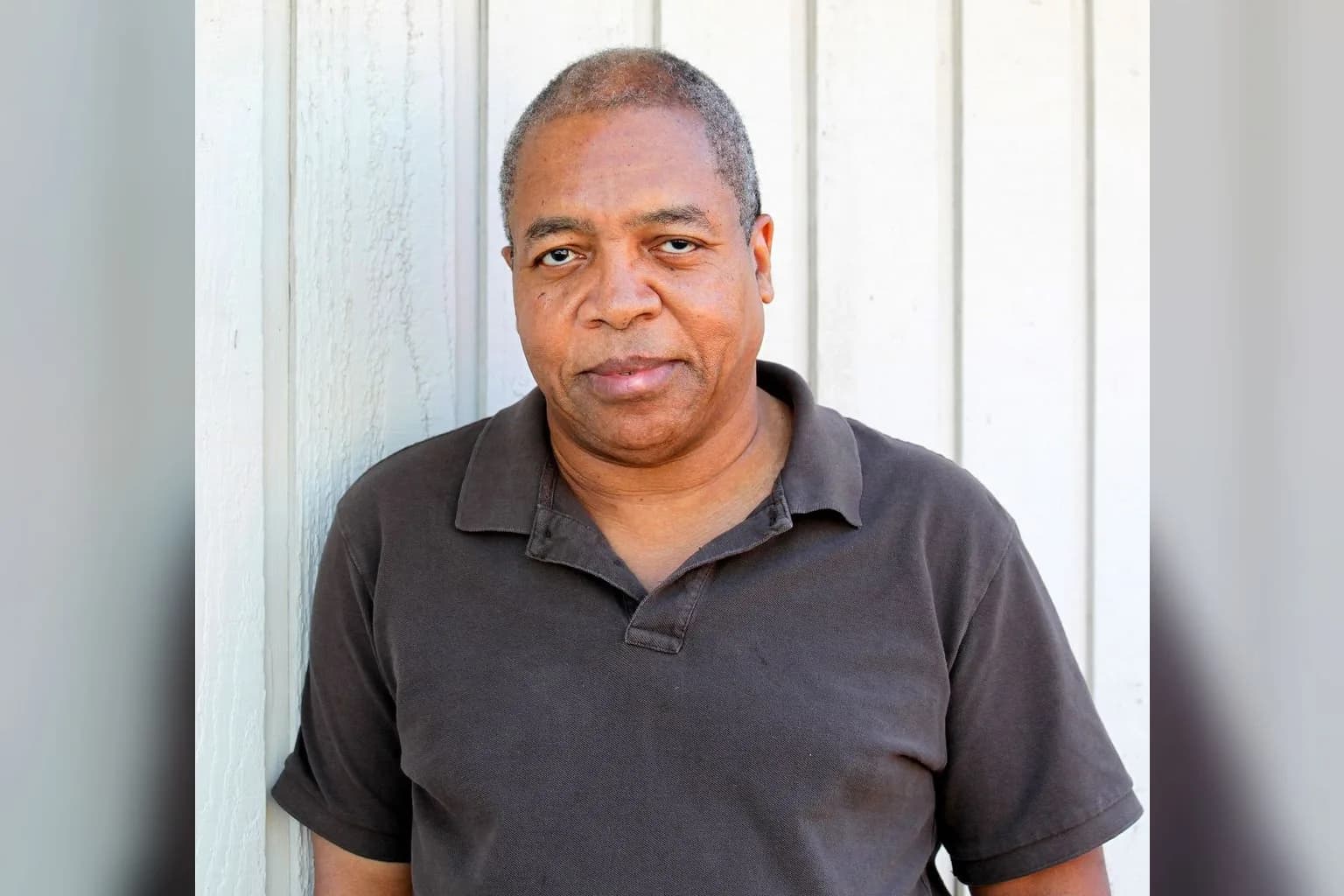
Octave Durham says he robbed banks, safety deposits and armoured trucks before turning to art theft. “I robbed banks, safety deposits, armored trucks. You name it, I robbed it,” he said.
In 2002, Durham and an accomplice broke into Amsterdam’s Van Gogh Museum and stole two paintings by Vincent van Gogh. Durham was later apprehended and served prison time for the crime.
The 53-year-old says he sold the paintings to a notorious crime boss. He describes himself on Instagram as the “Dutch Lupin”.
Now Durham says he uses underworld contacts to help recover stolen artworks, working without payment. He says he does it for “fun” and because “it feels good to make people happy”.
Advertisement
His work has included the recovery of the Van Gogh painting Spring Garden, which was stolen from a Dutch museum in 2020. Durham was key to its recovery, and the painting was handed to Arthur Brand in a blue IKEA bag.
Brand is a Dutch self-styled detective known as the “Indiana Jones of the art world”. He works alongside international police forces and transferred Spring Garden to the authorities.
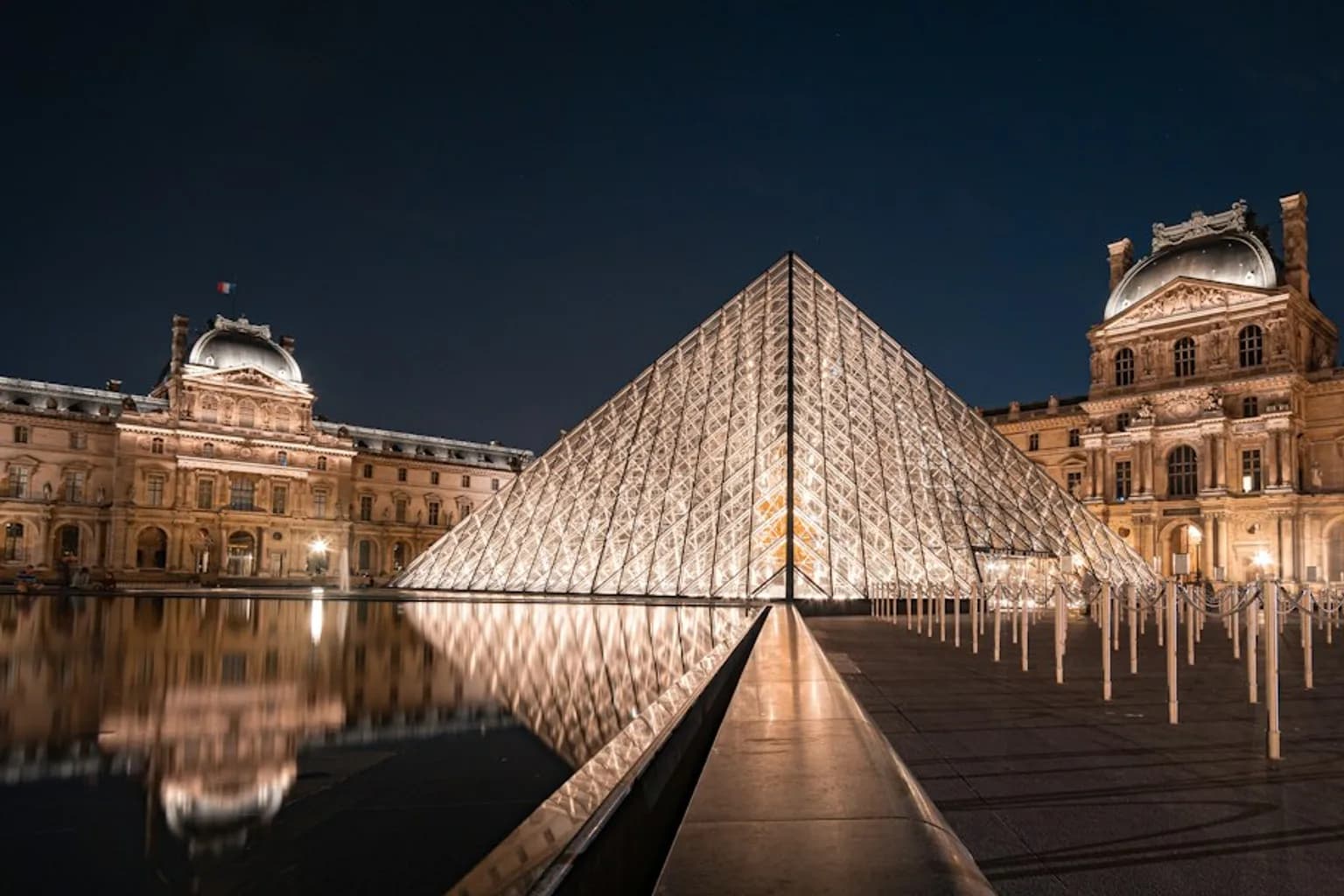
Durham now wants to offer his perspective to the Louvre, which suffered a theft in October 2025.
He does not present himself as a trained security professional. “I would show them that I can still get in there,” he said of the Louvre.
“Why don't they propose to me to ensure security?” Durham asked.
His proposed role rests on a distinction he draws between himself and law enforcement. “I am not an informant, I am a contact. That's very different. I don't talk to the police,” he said.
The offer places a former museum thief at the centre of a practical question for institutions protecting stolen or vulnerable works: whether knowledge and contacts acquired in criminal circles can be used in recovery or prevention work, despite the absence of formal security credentials.
Advertisement




Comments (0)