
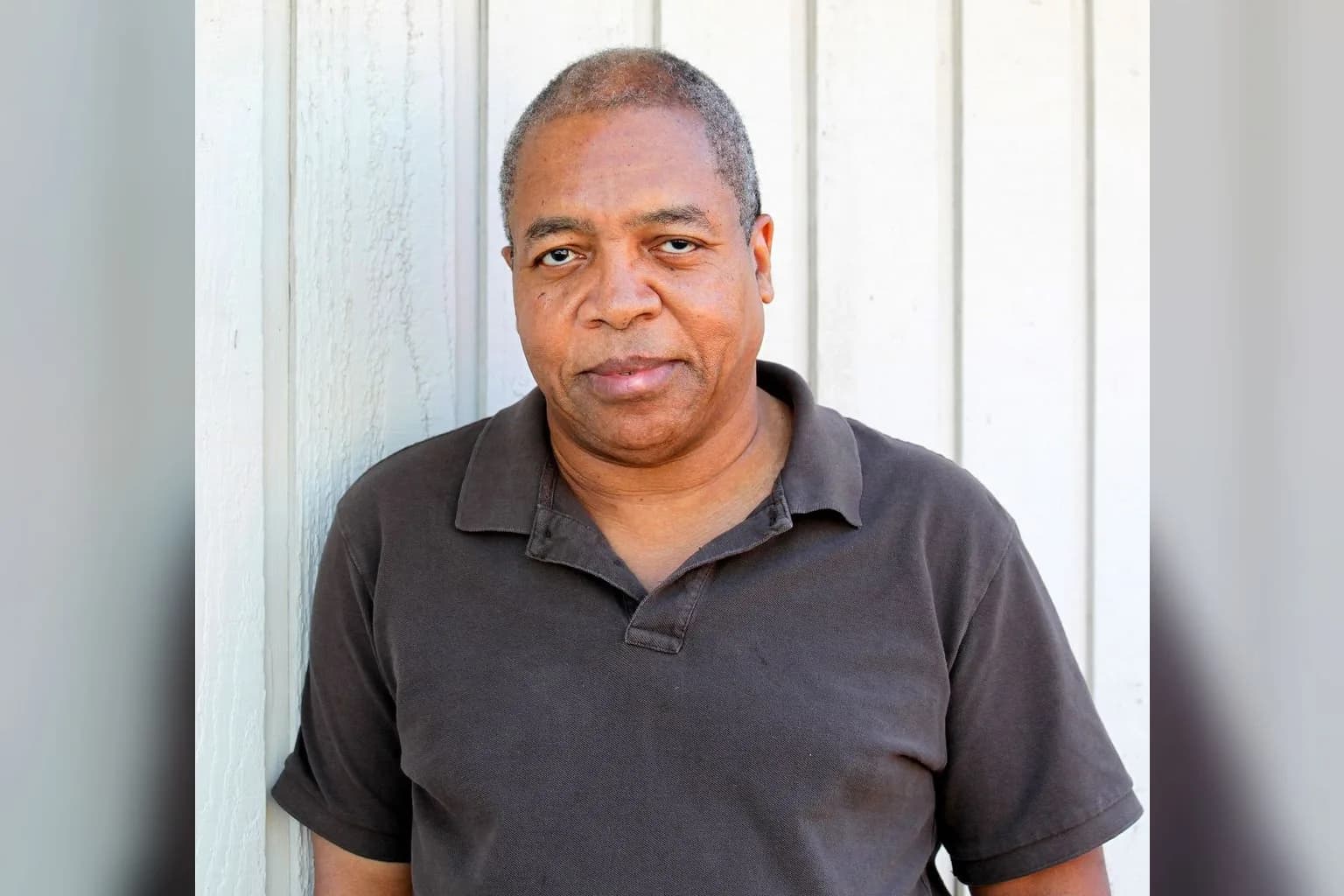
Duane ‘Keffe D’ Davis stood in a Las Vegas courtroom on Tuesday and, asked whether he wished to speak, replied: ‘I'm good. I'm gonna appeal this case for sure.’ Judge Carli Kierny then sentenced the 63-year-old former leader of the South Side Compton Crips street gang to 40 years to life in prison.
The sentence comprises 20 years to life for first-degree murder and a consecutive 20 years to life for the deadly weapon enhancement. A jury found Davis guilty in September of one count of murder with a deadly weapon. The 12 Clark County jurors reached a unanimous verdict after less than three hours of deliberations.
Davis was the only person ever charged over the death of Tupac Shakur, who was 25 when he was killed in a drive-by shooting in Las Vegas on 7 September 1996. Shakur sold more than 75 million records worldwide.
His sister, Sekyiwa Shakur, asked Judge Kierny for the maximum sentence. ‘The loss of Tupac, for a long time, crippled my family,’ she told the court. Shakur’s brother, Maurice Shakur, asked for the longest possible sentence, while family members described the effect of his death on their lives.
Advertisement
The shooting followed an altercation involving gang members in the corridors of a casino after a Mike Tyson boxing fight. Shakur was travelling with Death Row Records boss Suge Knight when bullets struck their car near the Las Vegas Strip. The shots were fired from a white Cadillac in which Davis was present.
Prosecutors argued that Davis had ordered the shooting and served as the ringleader of the group responsible, though he did not fire the gun himself. They said his nephew, Orlando Anderson, used the weapon to open fire. Anderson died in an unrelated shooting in 1998.
The case had remained unsolved for nearly 30 years, while a confidentiality agreement shielded potential suspects from prosecution. In 2008, Davis gave a secret police interview concerning the death of Notorious B.I.G. and disclosed his role in Shakur’s killing.
He later expanded on his involvement in his 2019 memoir, Compton Street Legend, admitting that he had supplied the gun used in the crime. His memoir and later public interviews voided the protective agreement, allowing prosecutors to bring charges more than 27 years after the shooting.
Davis’s conviction is the first in the cold case.
Advertisement



Comments (0)