

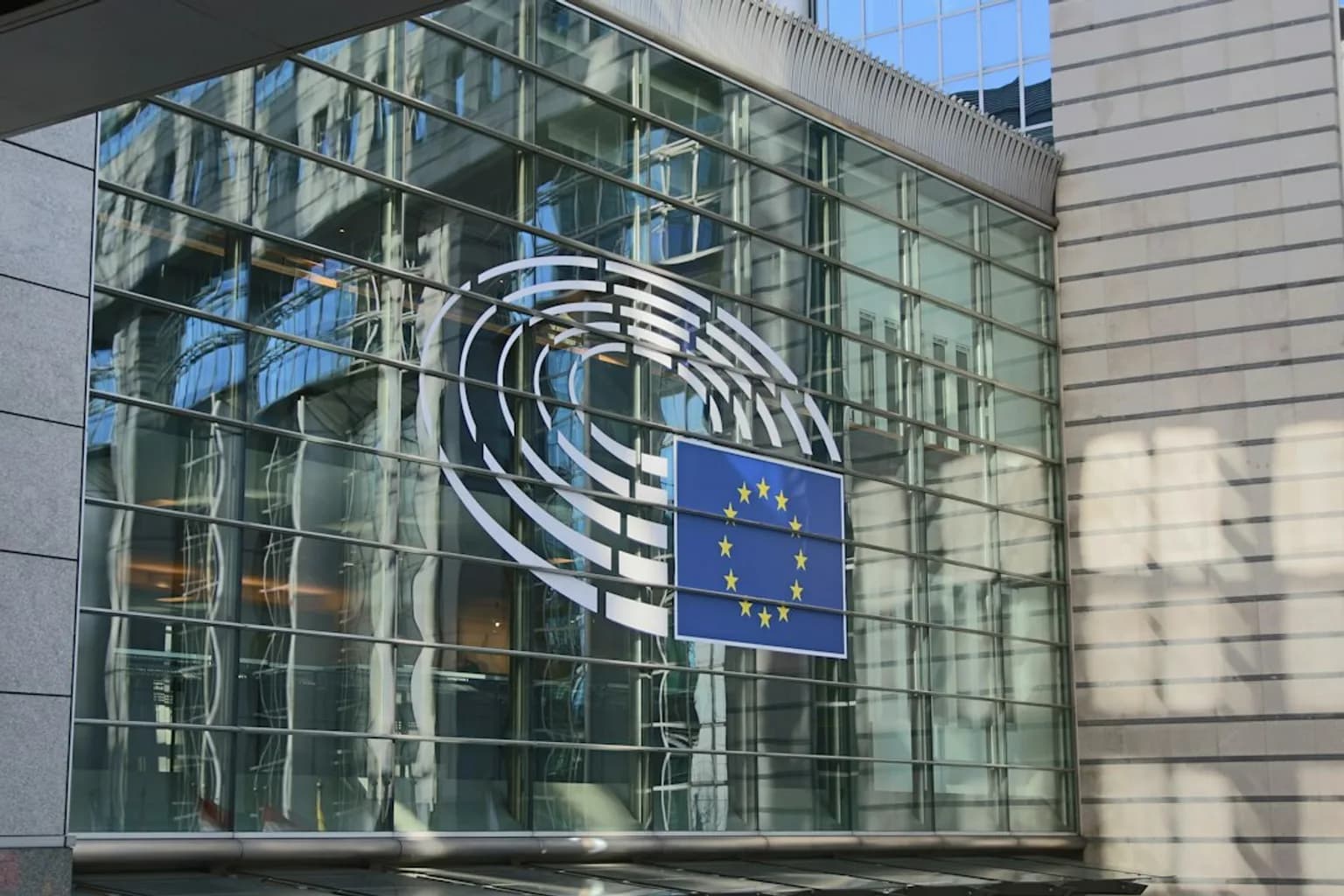
Ursula von der Leyen used an address to the European Parliament in Strasbourg on Tuesday, 6 October to give fossil-fuel exporters another year to meet the EU’s toughest methane requirements. The European Commission president said the rules due from 1 January 2027 would instead apply from 1 January 2028.
The decision gives ground to member states that had argued the requirements could make gas and oil imports harder or more expensive at a time when energy bills have surged. The Czech Republic sought a delay of up to three years, France proposed one year, and the Czech position won support from 19 other countries, including Germany.
Andrej Babiš, the Czech prime minister, wrote to von der Leyen during his country’s push for a postponement.
Von der Leyen paired the delay with a strategic dialogue with Europe’s refining sector, intended to cut costs and protect supplies. ‘Europe cannot remain an industrial powerhouse if its energy prices are structurally too high,’ she said.
Advertisement
The postponement concerns the EU’s Methane Regulation, which brought in progressively tougher rules for companies supplying oil, natural gas and coal to the European market. Under the next stage, importers had been due to show from 1 January 2027 that fuel supplied through contracts concluded or renewed since August 2024 came from producers using monitoring, reporting and verification systems equivalent to EU standards.
Methane is the second largest source of greenhouse gas emissions after CO2 and accounts for approximately a third of current warming. The International Energy Agency estimates that more than 350 billion cubic metres of gas were lost globally through flaring, venting and leakage in 2024 alone.
Pressure on the rules intensified after an International Energy Agency assessment in July raised concerns that they could restrict the oil supply available to Europe. Europe’s refining capacity has also shrunk over the longer term, increasing reliance on imported diesel and other finished petroleum products.
Since 27 February 2026, acute geopolitical and economic disruptions have closed the Strait of Hormuz and caused intermittent closures of other infrastructure exporting energy products from the Persian Gulf. The disruption is widely regarded as the largest to global energy supplies since the energy crisis in the 1970s.
About 20 % of global liquefied natural gas supply and 25 % of global seaborne oil trade have been affected by the Middle East disruptions since 27 February 2026. Oil-export losses have exceeded 13 mb/d, with cumulative supply losses estimated at 2.8 billion barrels by the end of 2026.
The price effect has been stark. The value of EU petroleum imports rose by 55.8 per cent in the second quarter of 2026, while the physical volume purchased rose by only 1.2 per cent. Imported fossil fuels have cost Europe an additional €90 billion since the Strait of Hormuz conflict began, without adding energy supplies.
Gas prices have risen by 140 percent since the end of February and diesel prices have doubled. Electricity prices also differ sharply across the bloc: a megawatt-hour costs around 145 euros in one EU country, where gas mainly sets the price, and about 70 euros in another, where nuclear energy and renewables mainly determine it.
The Commission has delayed the strictest import requirements for a year. It has yet to set out in the announcement how the January 2028 deadline will be enforced or whether the refining-sector dialogue will deliver lower costs or more secure supplies.
Advertisement


Comments (0)