
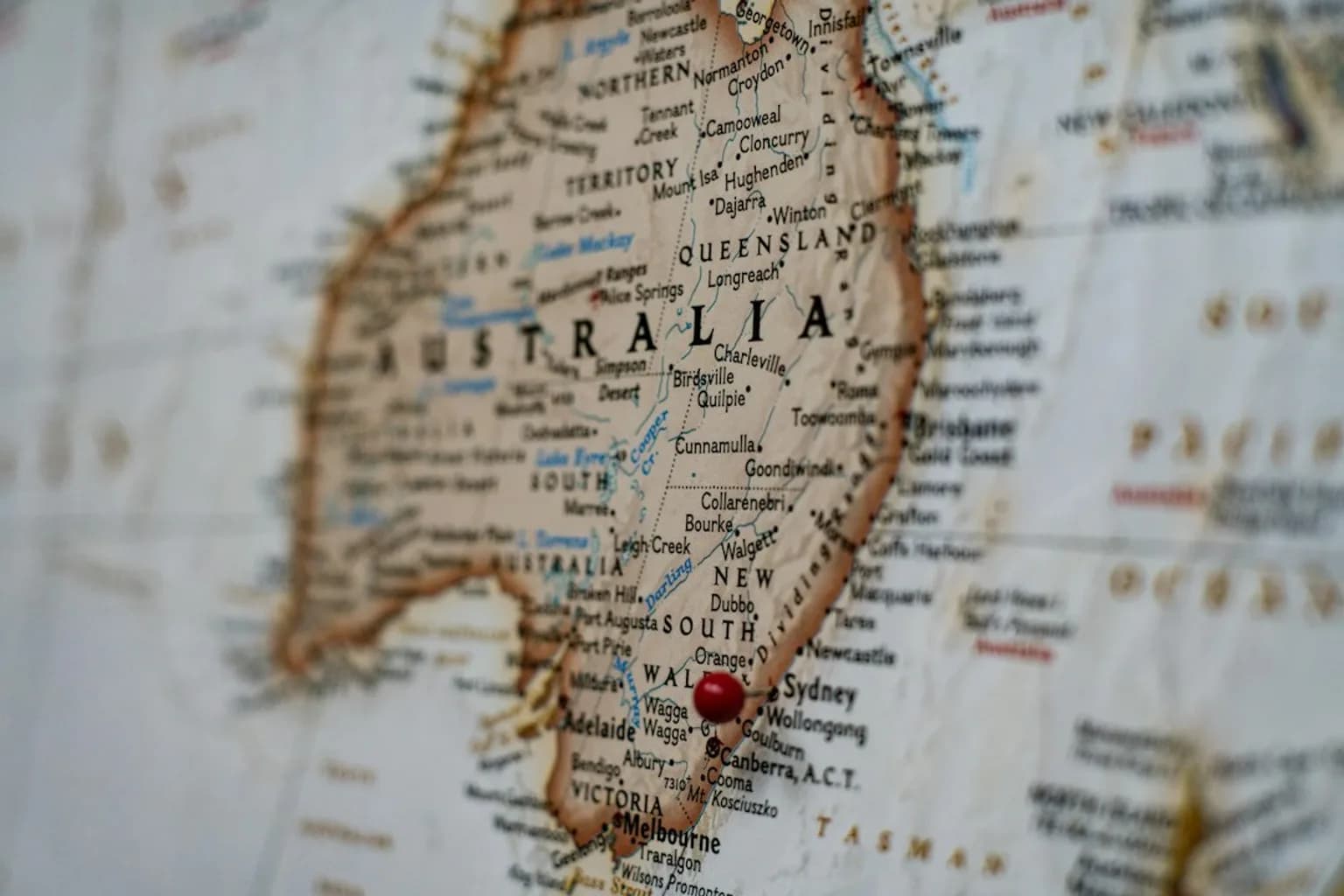
Australia’s unemployment rate rose from 4.6 per cent in August to 4.7 per cent in September, its highest level since the Covid pandemic. The Australian Bureau of Statistics released the figures on Thursday, after surveying households from 30 August 2026 to 12 September 2026.
The result went against expectations before the release. Westpac and NAB economists had expected employment to rise by 20,000 in September and unemployment to remain at 4.6 per cent. Instead, the number of employed people fell by 39,300.
There were 9,000 more unemployed people during the month, while the unemployment rate stood at 4.7 per cent. The employment-to-population ratio fell 0.3 percentage points to 63.6 per cent, and the participation rate, which measures the share of people in or seeking work, fell 0.2 percentage points to 66.8 per cent.
Underemployment, which includes people seeking more work, rose 0.1 percentage points to 6.3 per cent. Part-time hours worked fell 1.5 per cent, while full-time hours worked rose 0.4 per cent.
Advertisement
Employment and hours worked still grew by 1.2 per cent and 1.3 per cent respectively in annual growth. Unemployment has risen by 0.6 percentage points since the start of the year.
The data also pointed to a harder path back into work for people already unemployed. Sean Crick, the ABS head of labour statistics, said: ‘This September a higher proportion of people remained unemployed compared to recent years’. Some 59.9 per cent of people unemployed in August were still unemployed in September, the highest September reading for unemployment persistence since 2020. Only 21.4 per cent of those unemployed in August had found work a month later.
The IMF had forecast unemployment of 4.3 per cent for 2027 in April. The Reserve Bank lifted the cash rate to 4.60 per cent on 29 September. Economists said the September figures would give the bank reason to pause rate hikes this year.
Advertisement


Comments (0)