
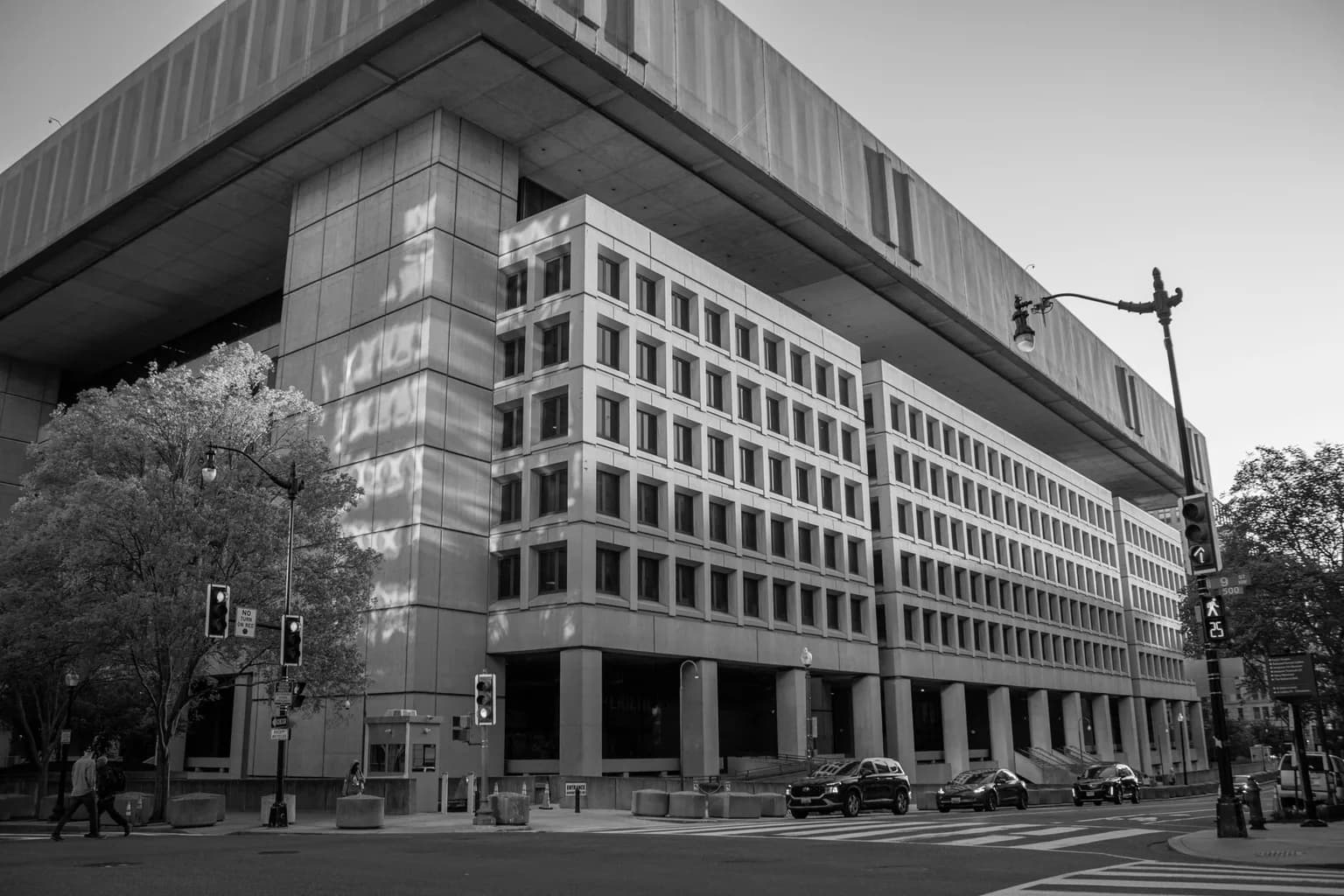
Private health spending in Switzerland and the United States stands clearly above that of other countries, a comparison that underscores how sharply the cost of cover can depend on where a person lives.
The comparison draws on a World Bank measure of private health expenditure per person, expressed in current international dollars adjusted for purchasing power parity, or PPP. Its median is 382.87 international dollars across economies.
The underlying data cover 193 economies. Most of the observations, 185, are from 2023; seven are from 2024 and one is from 2021. The figures should therefore be read as the latest available comparison, centred mainly on 2023, rather than a worldwide ranking measured at the same point in 2024.
PPP puts monetary values into a common unit intended to account for differences in prices between economies. A dollar exchanged at the market rate can buy very different amounts of healthcare and local labour in different places. The international dollar is a statistical tool for that comparison, rather than money a patient can spend.
Advertisement
Spain offers a closer view of the choices behind a premium. Young people can find entry-level private health insurance quotes of around €34–€55 a month. Plans meeting visa requirements for full cover without copayments often cost €60–€83 or more.
Premiums increase substantially for people over 65 and for those with pre-existing conditions. The market includes policies with copayments, plans without them, reimbursement products and international cover.
A copago, meaning a copayment, can suit routine private healthcare. A visa application requiring full medical cover without charges to the patient may call for a different policy.
The comparison measures private expenditure more broadly than insurance premiums alone. Depending on how a health system is organised, national sources can include direct out-of-pocket spending, private insurance and other private financing.
The map used for the comparison shows 163 of its 193 statistical rows at low resolution. Some microstates and special areas do not appear as separate shapes.
Advertisement

Comments (0)