
Emmanuel Birunga had spent eight years as a health worker in Bunia’s Rwampara district when Ebola arrived. At first, he said, residents dismissed it as malaria or poison. Then came days when more than 10 people were buried, and sometimes more than 15.
Those funerals persuaded many people that the disease was real. Birunga and other health workers shifted their work towards mass awareness campaigns, community discussions and home visits, seeking to monitor cases and warn residents.
Bunia, the capital of the Democratic Republic of Congo’s Ituri province, is the epicentre of the deadliest Ebola outbreak in the country’s history. More than 4,000 people have died in five months, while confirmed cases have reached 8,300 across seven provinces.
The outbreak officially began on May 15, although experts believe the virus had been circulating for weeks before it was recognised. It is caused by the Bundibugyo species of Ebola and is the Democratic Republic of Congo’s 17th Ebola outbreak.
Advertisement
The World Health Organization has classified it as a public health emergency of international concern. The epidemic became the country’s largest and deadliest after surpassing the 2018-2020 outbreak.
It now ranks second only to the 2014-2016 West African Ebola outbreak, which infected more than 28,600 people and killed more than 11,000 in Guinea, Liberia and Sierra Leone.
There are tentative signs of progress. The DRC government and the UN have reported that transmission was slowing in some parts of Ituri, where the outbreak began. The virus continues to spread rapidly across eastern DRC, including neighbouring North Kivu.
The response is complicated by weak infrastructure, the remoteness of eastern DRC and conflict with armed groups near the borders with South Sudan, Uganda and Rwanda. Those conditions have made it harder for teams to reach cases quickly and effectively.
Displacement has created another obstacle. More than 5 million displaced people are in the Ituri, North Kivu and South Kivu regions, and fatality rates among Ebola patients in displacement sites have exceeded 80%, compared with roughly 50% across the wider outbreak.
Kigonze, a displacement camp near Bunia, had housed about 19,000 people and included an Ebola transit centre before soldiers burned it while searching for weapons. The fire forced 19,000 people to flee.
About 1,000 people identified as Ebola contacts had been living at Kigonze. After residents fled, health teams had traced only about one-fifth of them.
Vaccination is also being tested. Health workers in Bunia were the first to receive doses of the Ervebo vaccine in a trial over the weekend, intended to establish whether it can protect against the Bundibugyo strain.
Maj. Gen. Gaby Kasongo Mulumba, the military governor of Ituri, launched the vaccination drive for front-line staff. Julien Harneis coordinates the international response as the UN’s senior Ebola coordinator in Congo.
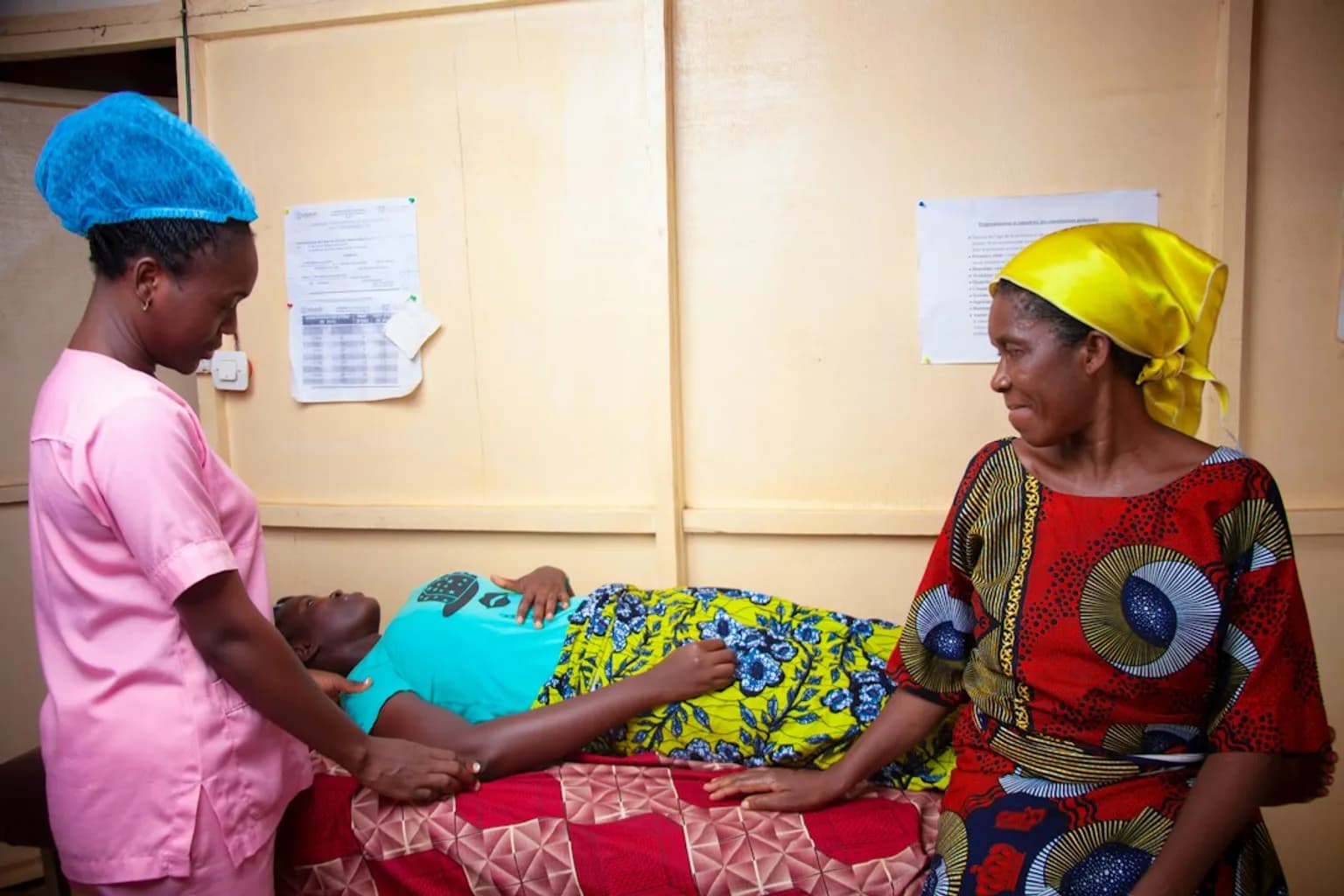
The epidemic has also reached services beyond Ebola treatment. Births at Bunia’s maternity unit fell by half. Maternal deaths rose to almost five a week after the epidemic began, from an average of around three maternal deaths a week beforehand.
At Rwampara health centre, midwife Victorine Kwikiriza works in a maternity ward that has recorded no Ebola cases. When RFI visited on a Sunday morning, four women who had given birth the previous Thursday had already gone home.
Advertisement


Comments (0)