
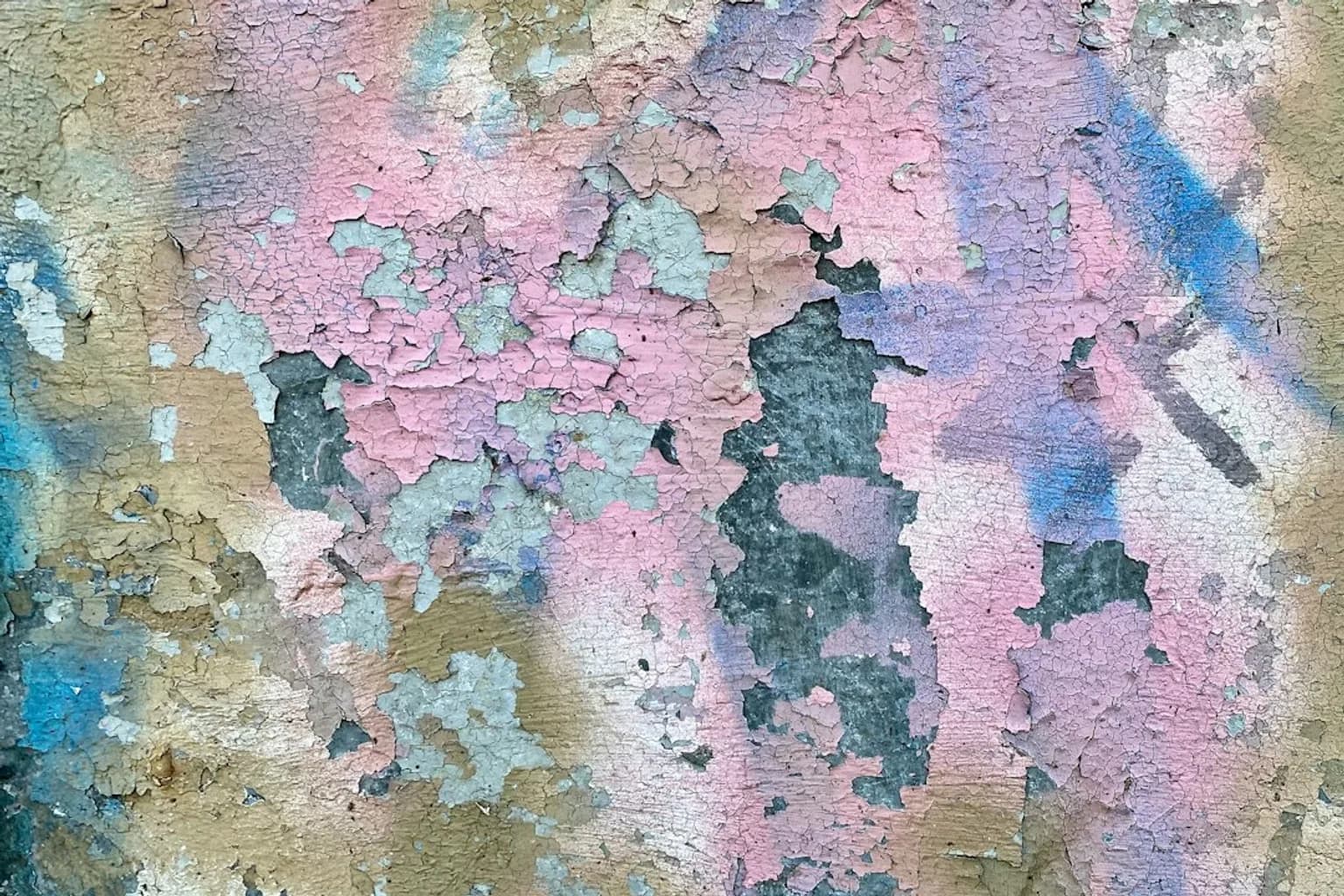
Bruce Gordon, head of the World Health Organization’s environment department, called lead poisoning “one of the world's most serious yet overlooked environmental health threats”. “Over one in three children around the world are above WHO's action level,” he said.
On October 15, the WHO told countries to do more to prevent lead exposure. The organisation estimates that exposure contributes to more than 3.5 million deaths globally every year.
The scale of childhood exposure is central to its warning. The WHO says 815 million children have blood lead levels of at least 5 micrograms per deciliter, part of the hundreds of millions of children affected worldwide. Young children and women of child-bearing age are particularly vulnerable, the organisation says.
Lead is among the WHO’s 10 chemicals of major public health concern. It can enter people’s lives through paint, cookware, cosmetics, spices, informal recycling and industrial contamination. Once in the body, it can spread to the kidneys, brain, liver and bones.
Advertisement
The WHO says there is no level of lead exposure known to be without harmful effects. It says 3.5 micrograms of lead can be associated with reduced intelligence, behavioral disorders and learning difficulties in children.
Children aged 0–2 years face the greatest predicted exposure, with global average blood lead estimates of 5.45 micrograms per deciliter for ages 0–1 and 5.27 micrograms per deciliter for ages 1–2. Indoor dust lead concentrations vary considerably across settings, with the highest levels consistently reported in older housing and urban areas.
Refugee children had 4.36 times the risk of blood lead levels of at least 5.0 micrograms per deciliter than non-refugees in a study of children aged 1 to 6 years in Hartford, Connecticut from 2020 to 2023.
The WHO’s guidance has set a level for intervention. In 2021, it recommended finding and removing the contamination source for anyone with a blood lead level of at least 5 micrograms per deciliter. Its guidelines say such a result should prompt a review of exposure and action to reduce or end it.
In the same year, the Centers for Disease Control and Prevention lowered the blood lead reference value from 5.0 to 3.5 micrograms per deciliter.
Yet the WHO’s latest assessment found that fewer than half of countries had legally binding controls on lead in paint. That leaves its call for faster action facing exposure routes that run from household products to informal recycling and industrial contamination.
The organisation is enhancing laboratory capacity for blood lead level testing in Brazil, India, Nepal, Ethiopia, Ghana, Malawi, Rwanda, South Africa and Tanzania. A global action plan on lead exposure is due to be presented at the annual assembly of WHO member states in May.
Dr. Oluwatosin Kuti, a medical doctor and managing director of Afya Lafia Innovation, says lead exposure remains an important and often overlooked public-health concern in Kenya. Kuti works on preventing childhood lead poisoning and on efforts to bring blood-lead measurements into routine public health.
Advertisement

Comments (0)