

The Food and Drug Administration had put BPC-157 and more than a dozen other injectable peptides beyond routine compounding, citing the risk of contamination, allergic responses and other safety problems.
That position is now under review. Earlier this year, Kennedy told the agency to reconsider restrictions on a short list of the compounds. Health and Human Services officials have since sent an interim access policy covering certain peptides to the White House, where it is being reviewed.
The proposed policy would give compounding pharmacies temporary room to make selected peptides without immediate enforcement action from regulators. BPC-157 could be among the substances covered by that approach. The filing was sent to the Office of Management and Budget, which is assessing its economic effects.
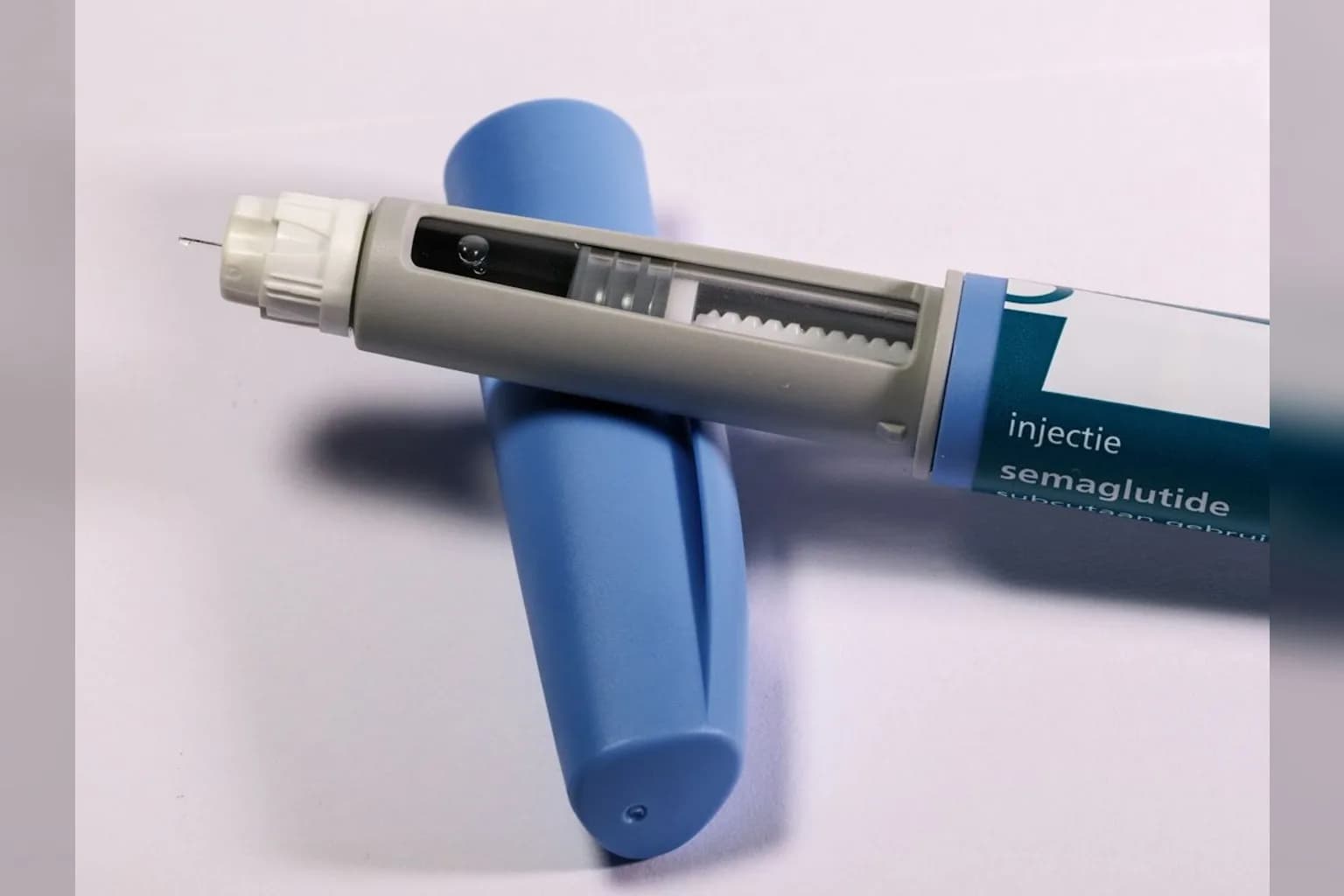
Peptides are short chains of amino acids. More than 80 peptide drugs have reached the market, including insulin, GLP-1 drugs, osteoporosis treatments and cancer treatments. Their use in anti-aging and wellness clinics has increased interest in compounded versions that have not gone through the usual drug-approval route.
Advertisement
Under Section 503A of the FD&C Act, a compounded drug can be exempt from new-drug approval, labelling and current good manufacturing practice requirements when a licensed pharmacist or physician makes it for an identified patient with a valid prescription. Section 503A applies to state-licensed pharmacies filling individual prescriptions, while Section 503B applies to outsourcing facilities making larger batches under manufacturing standards.
Sixteen peptide or peptide-class compounds were nominated and then withdrawn from the 503A bulks list: AOD-9604, BPC-157, cathelicidin LL-37, CJC-1295, dihexa, emideltide (DSIP), epitalon, GHK-Cu for injection, KPV, pegylated MGF, melanotan II, MOTS-c, selank, semax, thymosin alpha 1 and TB-500.
On July 23–24, 2026, the FDA’s Pharmacy Compounding Advisory Committee reviewed seven of those withdrawn peptides. The panel recommended lifting limits on six of the seven.
It voted to include BPC-157, KPV and TB-500 by 8–6 votes. MOTS-c passed 7–5, with two abstentions. Semax passed 8–5 and Epitalon 7–5. The committee voted against emideltide (DSIP).
FDA scientists reached a different conclusion, saying there was insufficient human evidence on safety and effectiveness. The disagreement leaves patients and pharmacies facing a policy debate in which potential access is moving ahead of a settled scientific assessment.
As of 13 September 2026, the FDA’s Category 2 list contained fourteen substances. Five were peptide-class compounds: GHRP-2, GHRP-6 and ipamorelin acetate under 503B, kisspeptin-10 under 503A, and ibutamoren mesylate under both sections. The FDA has said its reasons for placing peptides in Category 2 centre on immunogenicity and inadequate safety data.
The White House review and any later steps could take months. A permanent addition of substances to the FDA’s approved compounding list would require a longer rulemaking process that includes public input.
Advertisement


Comments (0)