
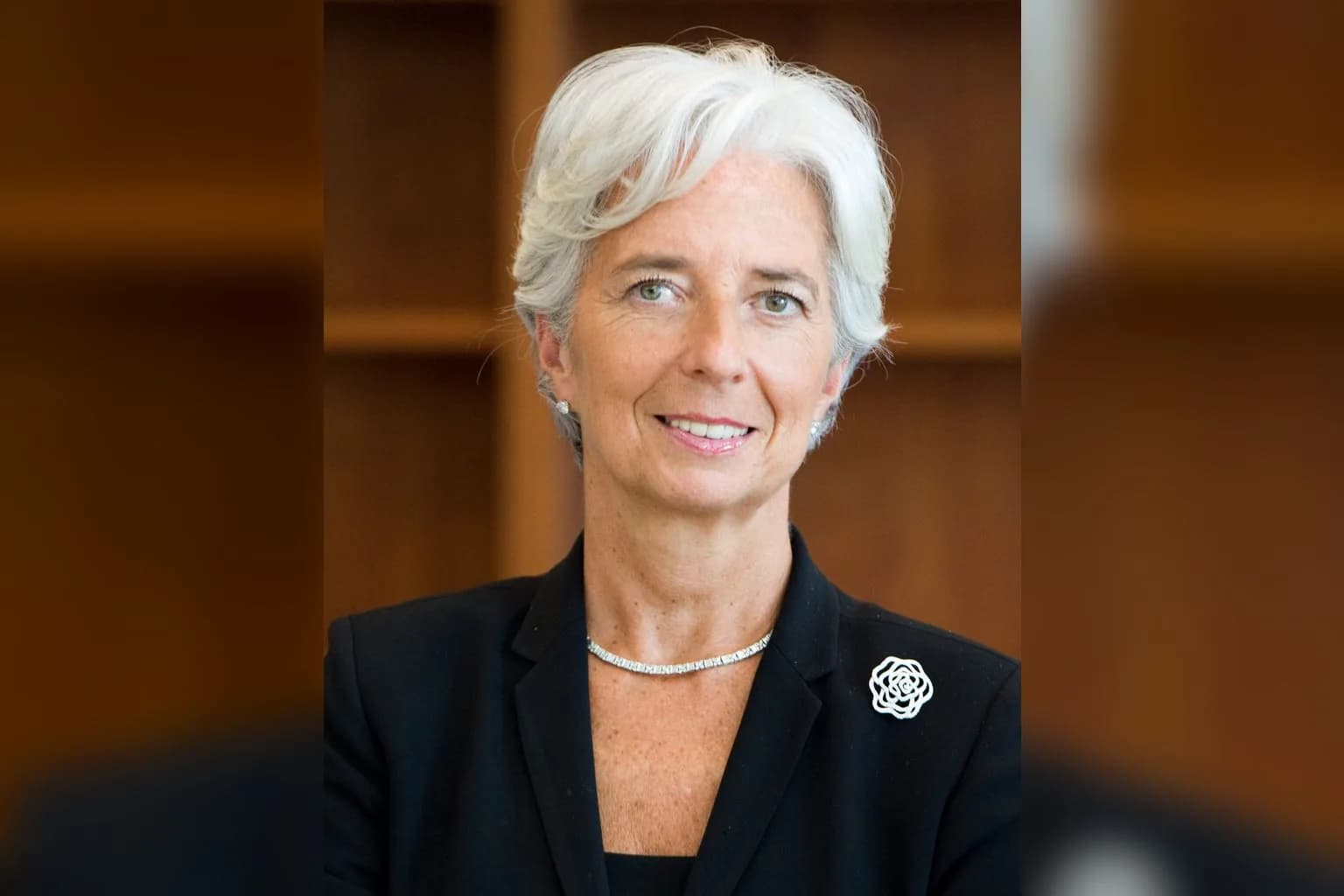
Christine Lagarde said euro-area inflation had reached 3.8% in September, largely because of high energy costs, and warned that an energy shock would keep it above the European Central Bank’s 2% target through the first half of 2027. Speaking at the International Monetary Fund Annual Meetings on Saturday, the ECB president said a measured policy response remained appropriate and that energy costs were expected to ease next year.
The inflation rate was up from 3.2% in August 2026 and was the highest in three years. Energy inflation rose 18.8% year-over-year in September, while core inflation, which excludes energy and food, stood at 2.5%.
The problem for the ECB is that the immediate cause lies beyond its control. “A central bank 'cannot reopen the Strait of Hormuz',” Lagarde told La Croix on 30 September.
A war between the United States and Iran closed the Strait of Hormuz to normal commercial traffic in February, disrupting energy supplies. Energy prices eased after a June memorandum, then climbed from July.
Advertisement
Europe’s gas storage stood at about 73% full, below the seasonal norm near 87%.
On 10 September, the ECB raised its deposit rate to 2.50% for the second time in three months. Lagarde spoke to reporters in Berlin after the decision.
The ECB’s September staff projections assume energy inflation will peak at almost 15% at the end of 2026. Lagarde said those projections were based on assumptions of €60 gas and $88 oil.
Lagarde appeared before the European Parliament’s ECON Committee in Brussels on 28 September for an exchange of views that opened with statements from ECON Chair Aurore Lalucq and Lagarde. She told the committee that long-term rates had risen markedly since the ECB’s September meeting.
The rise is visible in government borrowing costs. On 7 October, the ten-year yield on the ECB’s curve for top-rated euro governments was 3.54%, compared with 2.73% on 27 February, the last trading day before the war.
Philip Lane, the ECB’s chief economist, described the move on 5 October as “a material tightening of financial conditions for the euro area”.
Lagarde also said the ECB was preparing a digital euro to complement cash for day-to-day retail payments.
The central bank’s assessment is that the economy remains resilient. Its harder question is how far policy should respond to an inflation shock that monetary policy cannot directly remove, when rising long-term rates are already making finance more expensive.
Advertisement
Comments (0)