

Denys Shmyhal, Ukraine’s energy minister, stood before European officials in Paris on 17 September with an intercepted Russian government document that he said set out plans to strike the country’s energy infrastructure. “I briefed our partners on Russia's plans to strike energy infrastructure, based on information provided by Ukrainian intelligence,” Shmyhal said.
The document, dated August 2026 and titled Analytical Brief: Analysis Of Ukraine's Power Generation And Utilities Sector, describes a coordinated campaign aimed at forcing Ukraine to capitulate by depriving Kyiv, Kharkiv and Odesa of electricity, heat and water over the coming winter. The New York Times reviewed the plan.
It estimates that Russia would require about 70 ballistic missiles, 720 long-range drones and 150 guided aerial bombs to sever those services in Ukraine’s three largest cities. The document identifies 60 key targets, including three operating nuclear power plants controlled by Ukraine and 10 major hydroelectric power plants.
If the plan succeeds, Kyiv, Kharkiv and Odesa could lose 90% of their power generating capacity, while heat supplies could be cut by 90%. Loss of power would also disrupt water and sewage systems.
Advertisement
Kyiv enters the winter with far less generating capacity than it had before the war. Its three combined heat and power plants once had a total capacity of about 1.3 gigawatts. That figure has fallen to about 500 megawatts.
Russian military planners believe that a month of attacks at the planned intensity would destroy Ukraine’s energy system. Their confidence rests largely on shortages in Ukraine’s air defences, particularly Patriot interceptor missiles. Ukrainian missile defences have been depleted by cuts in American aid, and analysts say Moscow now has a better chance of succeeding in its air campaign than at any other point in the war.
According to Ukrainian intelligence, drawing partly on intercepted Russian communications, Vladimir Putin loosened previous restrictions on targets for Russian forces in September. Volodymyr Zelenskyy, Ukraine’s president, told the Financial Times that Putin had ordered commanders to abandon earlier limits on aerial attacks, with intercepted communications saying “there are no rules now”. Zelenskyy said the order was intended to drive out Kyiv’s population.
At an appearance in Sochi in early October, Putin said Russian forces had seized 1,301 square kilometres in September alone.
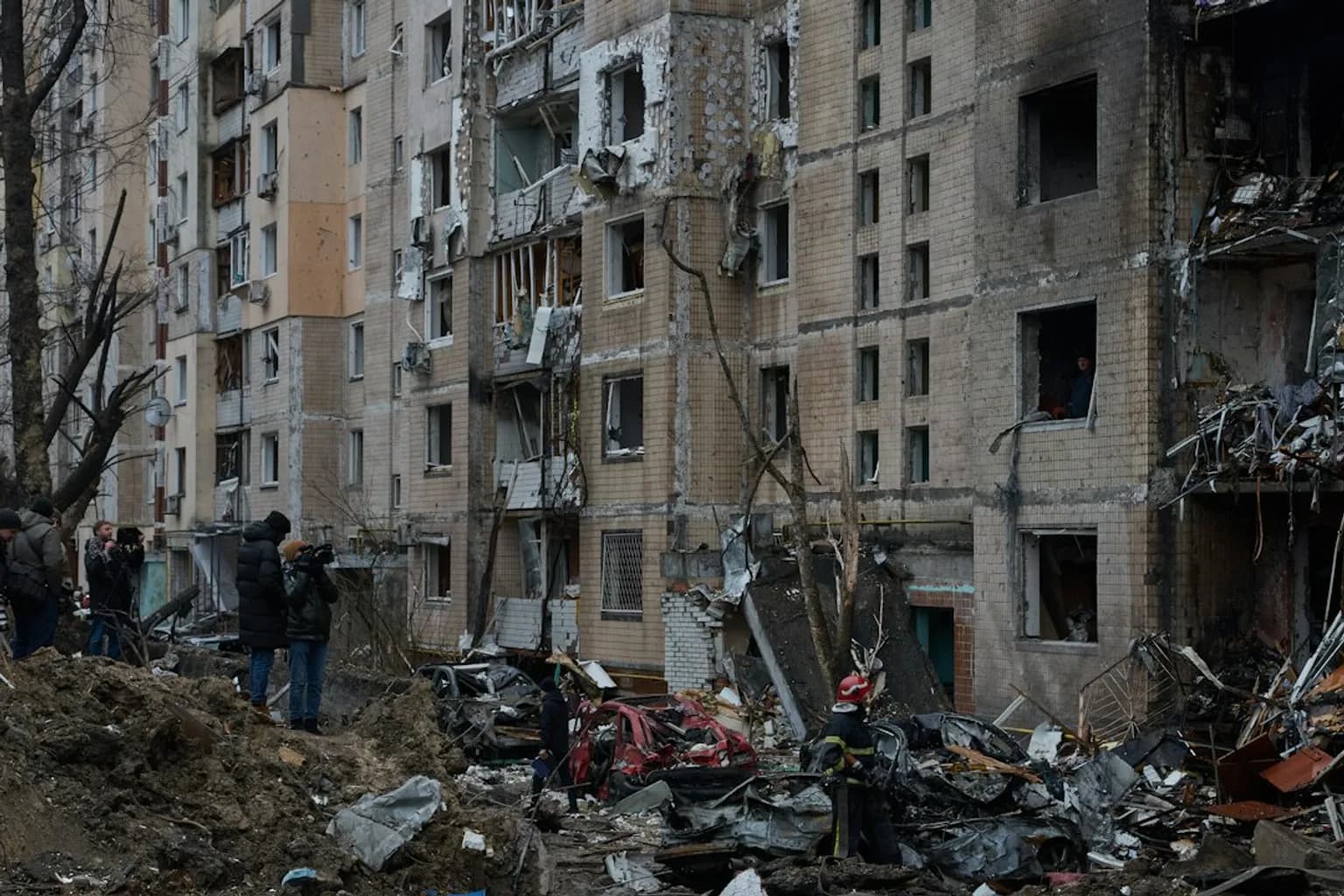
Russia’s attacks have continued alongside the planning. On 30 September, it launched what Serhiy Koretskiy, Ukraine’s prime minister, called the most massive attack on energy infrastructure in the Kyiv area since 2025. Five people were killed, including a child found beneath the rubble of a home outside the capital.
Russian glide bombs also struck the Slobidskyi and Nemyshlyansky districts of Kharkiv, killing two women aged 66 and 80. Thirty-six people were injured, including three children.
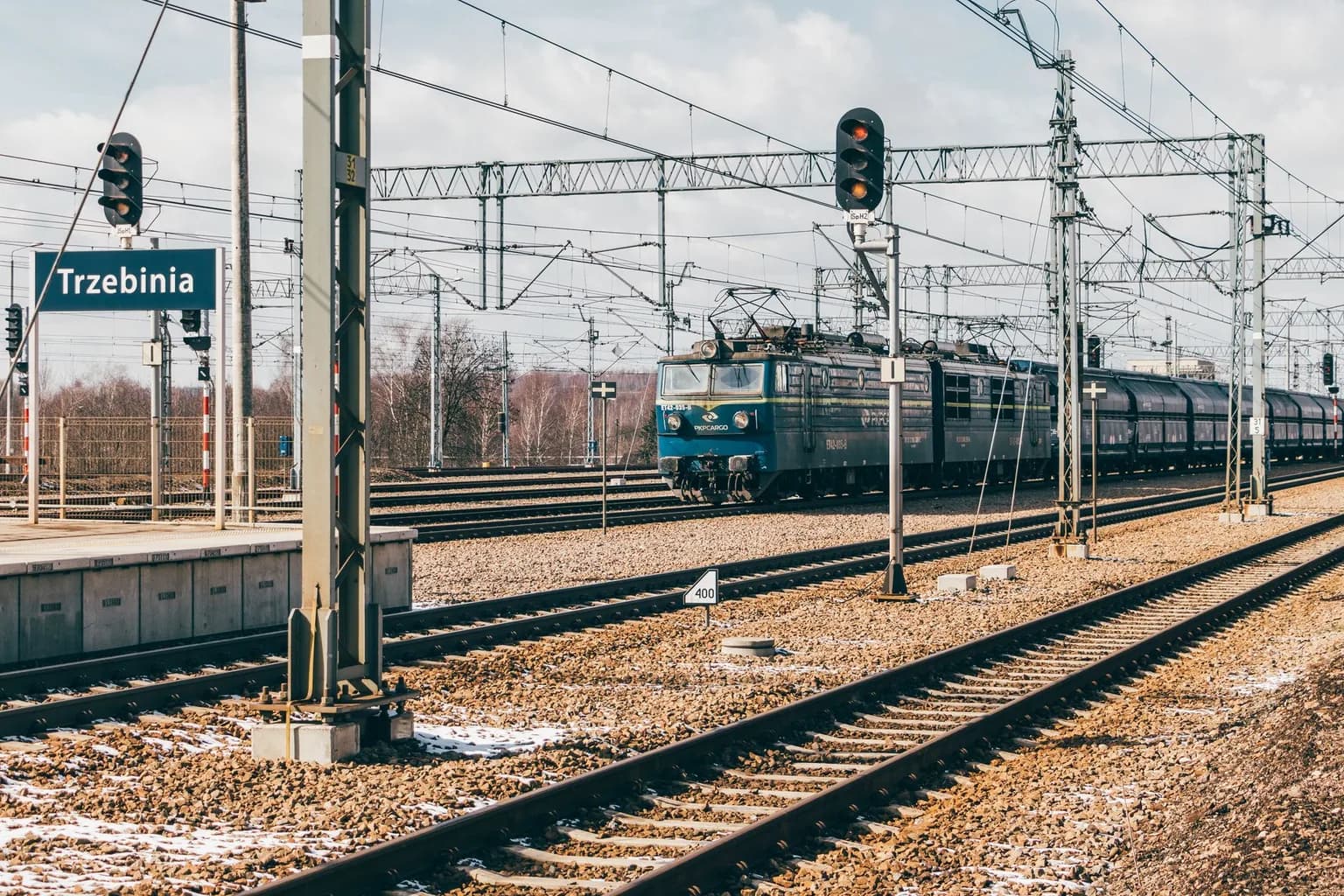
Since September, Russia has expanded strikes beyond energy facilities to food warehouses, fuel, railways, data centers, communications networks and bridges. The Northern and Southern bridges in Kyiv were attacked seven times in the first four days of October.
Ukrainian specialists examined a Russian warhead designed to damage high-voltage pylons and steel bridge structures. It combined a main charge of roughly 40 kilograms with four additional strike modules and protruding contact detonators described as whiskers.
By 29 September, Russia had launched 3,177 drones during the month, while the Air Force put September’s total at almost 3,500. In the week to 4 October, Russia attacked Ukraine with more than 1,900 strike drones, including over 800 jet-powered models, as well as 1,700 guided aerial bombs and 25 missiles.
The Ukrainian Prosecutor-General’s Office is investigating 3,374 Russian strikes on 1,177 energy facilities in Ukraine.
In early October, Kremlin spokesman Dmitry Peskov suggested Russia would intensify attacks on Ukrainian infrastructure, portraying the strikes as retribution.
Seth Jones, a military expert at the Center for Strategic and International Studies, said: “Punishing the adversaries' civilian population and trying to break its will has a very poor historical track record for coercing it to concede defeat.”
A September KIIS poll found that 77% of Ukrainians believe the country should continue armed resistance even if Russian attacks leave people without electricity, heating or sewage.
Advertisement



Comments (0)