
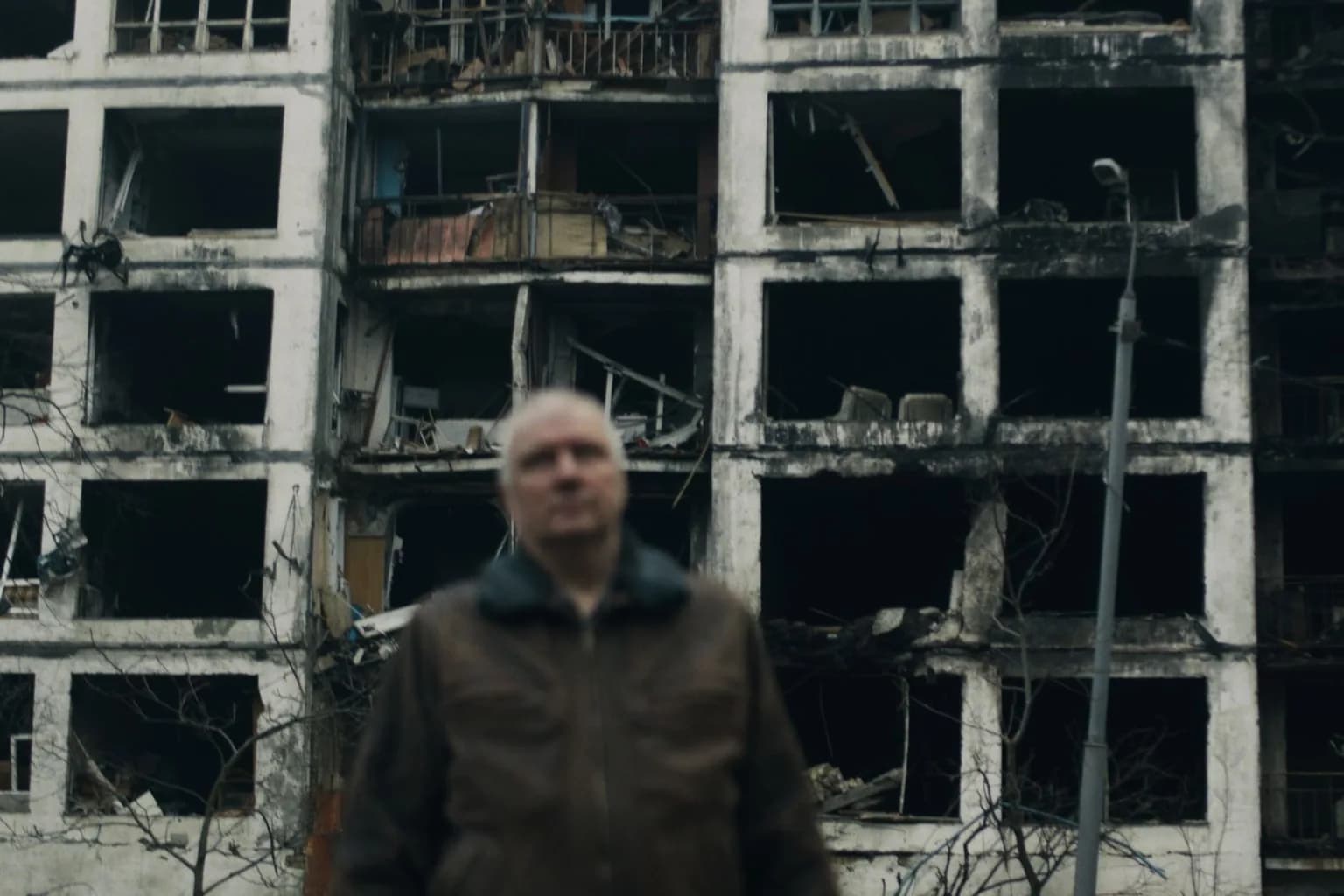
Dealer, an infantryman, spent 95 days pushing forward on the front line. His unit changed positions four times over three months.
The pressure came from above as well as across the ground. Phoenix, commandant of the Revenge Brigade’s Silver Trinity unit, said his men face 10 Russian drones on an average day at the front.
Ukraine’s response was Operation Vivaldi, a four-stage offensive directed by Brigadier General Andrii Biletskyi, commander of the Third Army Corps. Biletskyi had recently taken charge of forces defending Kramatorsk and Sloviansk from the north, east and south. The operation began in mid-summer 2026 around Lyman in northern Donetsk, where Russian forces had crossed the Chornyi Zherebets river in summer 2025 and formed a salient.
Ukrainian forces set out to clear Russian infiltration and prevent an encirclement of the Sloviansk-Kramatorsk agglomeration. By late summer, troops from Russia’s 3rd Combined Arms Army had reached Mykolaivka, 10 kilometres from Sloviansk, raising the threat to Sloviansk, Kramatorsk, Druzhkivka and Kostiantynivka. Ukraine says the operation blunted an attempted Russian pincer movement against the fortress belt cities that remain under its control.
Advertisement
The name Vivaldi refers to the offensive’s four stages, described as seasons after the Italian composer’s violin concerto. On 15 September, Biletskyi confirmed that forces under the Third Army Corps were conducting counterattacks north of Lyman, beginning the first phase. In September, Ukrainian units said they had taken control of Shandryholove, Derylove and Drobyshewe during the second phase.
At the end of September, troops reported the third phase had brought Nove, Ridkodub and Katerynivka under Ukrainian control. Videos also showed Ukrainian forces liberating Novoselivka, Shandryholove and Nove around the perimeter of the Russian salient near Lyman. During the operation, remote-controlled explosive vehicles were dropped behind Russian lines for the first time, and 250 Russians surrendered, Ukraine said.
The fourth phase concluded on 14 October, when Ukraine said it had retaken another 101 square kilometers in the Lyman sector and liberated Zelena Dolyna, Lypove and Kolodiazi. Ukraine said Russia lost about 3,000 soldiers in that phase.
Across the operation, Ukraine says it has liberated 277 square kilometres in eastern Donbas and inflicted 8,000 Russian casualties. Ukrainian forces have advanced no more than 10 kilometers in different sectors since the operation began in mid-summer.
Biletskyi said: ‘The enemy was unable to cut the key logistics artery of our group in the Donbas. We thwarted the offensive of the group Zapad and forced it to transfer part of the units of the 1st Tank Army, which weakened the pressure on Kupiansk-Vuzlovyi.’ He said the operation dealt ‘a heavy blow to the combat capabilities of Russia’s 20th and 25th Combined Arms Armies’. Ukrainian drone strikes also pushed Russian supply hubs across the state border, degrading Russian logistics, according to Ukraine.
The Institute for the Study of War reported that pro-Russian military bloggers had acknowledged the Ukrainian advances.
Starshield, the military version of Elon Musk’s Starlink satellite communications network, was integrated into Operation Vivaldi. Ukraine says the system is vital to its interceptor and mid-range strike drones. Yet as the operation concluded, Ukraine said this week that restrictions on Starshield had been imposed without warning. Musk and media reports have suggested that the order may have come from the White House, though no official confirmation is described.
Advertisement



Comments (0)